
Search
There is no known risk-free level of alcohol use in pregnancy. Despite this, many still believe that occasional drinking is safe. To-date, there is limited evidence of the influences on women's decisions about low to moderate alcohol use in pregnancy.
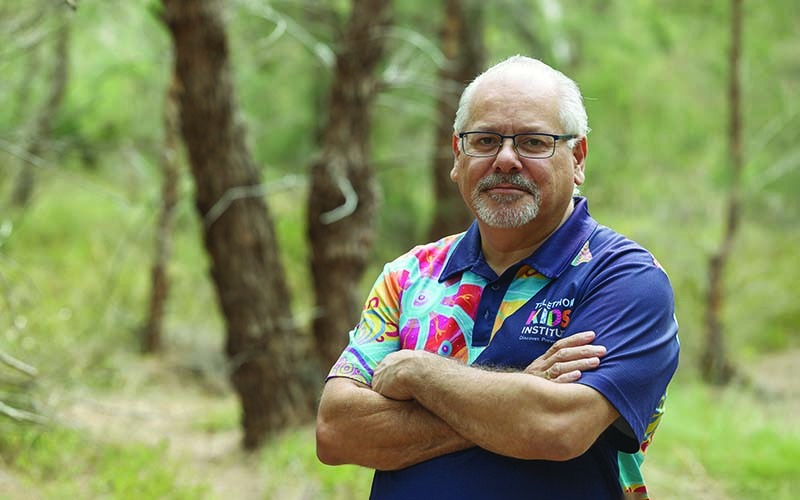
The Kids Research Institute Australia has been among a growing number of voices passionately advocating for an overhaul of the way young people in detention are managed in Western Australia.
Screening facilitates the early identification of fetal alcohol spectrum disorder (FASD) and prevalence estimation of FASD for timely prevention, diagnostic, and management planning.
Glenn Martyn Pearson Symons BA (Education) PhD Candidate B.A. (Hons) PhD. Director of First Nations Strategy and Leadership; Head, First Nations
Epidemiological evidence suggests offspring exposed to prenatal alcohol are at increased risk of alcohol use disorders in adulthood. The evidence on the risk of developing harmful alcohol use in adolescence is less clear.
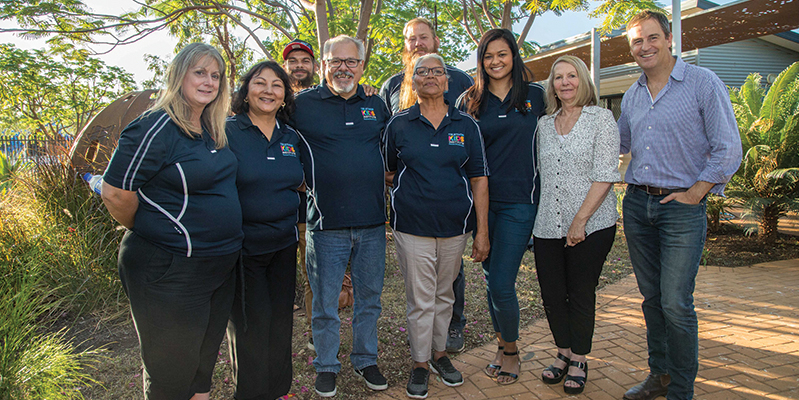
A $5 million commitment from BHP has allowed The Kids researchers and Aboriginal communities to make FASD history in the Pilbara.
Researchers into fetal alcohol spectrum disorder (FASD) have welcomed the Federal Government’s announcement of a ten-year national action plan that will drive efforts to reduce the impact of FASD on individuals, families and communities.
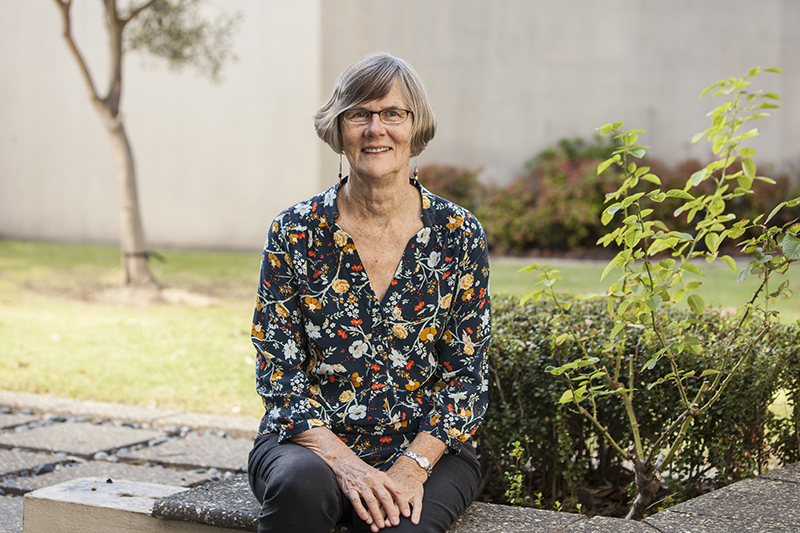
Hundreds of delegates from around Australia, Canada and New Zealand arrive in Perth this week to discuss the latest knowledge about fetal alcohol spectrum disorder (FASD) at the 2nd Australasian FASD Conference 2018.
A ground-breaking The Kids Research Institute Australia study, which revealed that almost every young person being held in the Banksia Hill Detention Centre had some form of neuro-disability, has sparked concern and conversation across Australia and the world.

Perth’s The Kids Research Institute Australia has welcomed the McGowan Government’s call today for the immediate implementation of mandatory pregnancy health warning labels.