
Search
Malaria is a deadly disease caused by Plasmodium spp. Several blood phenotypes have been associated with malarial resistance, which suggests a genetic component to immune protection.
We aimed to assess safety, tolerability, and Plasmodium vivax relapse rates of ultra-short course (3.5 days) high-dose (1 mg/kg twice daily) primaquine (PQ) for uncomplicated malaria because of any Plasmodium species in children randomized to early- or delayed treatment.
As both mechanistic and geospatial malaria modeling methods become more integrated into malaria policy decisions, there is increasing demand for strategies that combine these two methods. This paper introduces a novel archetypes-based methodology for generating high-resolution intervention impact maps based on mechanistic model simulations. An example configuration of the framework is described and explored.
The human landing catch (HLC) method, in which human volunteers collect mosquitoes that land on them before they can bite, is used to quantify human exposure to mosquito vectors of disease. Comparing HLCs in the presence and absence of interventions such as repellents is often used to measure protective efficacy (PE).
Children recovering from severe malarial anaemia (SMA) remain at high risk of readmission and death after discharge from hospital. However, a recent trial found that post-discharge malaria chemoprevention (PDMC) with dihydroartemisinin-piperaquine reduces this risk. We developed a mathematical model describing the daily incidence of uncomplicated and severe malaria requiring readmission among 0-5-year old children after hospitalised SMA.
The most recent global estimates of the number of pregnancies at risk of Plasmodium falciparum and Plasmodium vivax malaria infection are from 2007. To inform global malaria prevention and control efforts, we aimed to estimate the global distribution of pregnancies at risk of malaria infection from 2007 to 2020.
The study aimed to explore sociocultural factors influencing the risk of malaria and practices and beliefs towards malaria prevention, transmission and treatment in a remote village in Khatyad Rural Municipality (KRM) of Nepal. A sequential exploratory mixed methods approach was used.
Despite substantial declines since 2000, lower respiratory infections (LRIs), diarrhoeal diseases, and malaria remain among the leading causes of nonfatal and fatal disease burden for children under 5 years of age (under 5), primarily in sub-Saharan Africa.
The spatial and temporal variability inherent in malaria transmission within countries implies that targeted interventions for malaria control in high-burden settings and subnational elimination are a practical necessity. Identifying the spatio-temporal incidence, risk, and trends at different administrative geographies within malaria-endemic countries and monitoring them in near real-time as change occurs is crucial for developing and introducing cost-effective, subnational control and elimination intervention strategies.
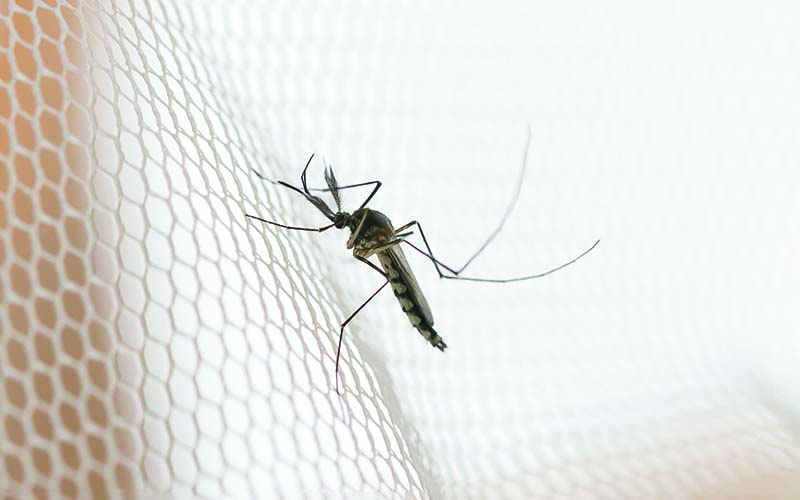
Global efforts led by The Kids Research Institute Australia’s Child Health Analytics program will see nations impacted by high rates of malaria empowered to develop their own controls and solutions.