
Search
As we finalised our analysis of the adoption of mandatory policies for childhood vaccines in four high-income jurisdictions for our publication, “Convergence on Coercion,” every country on earth was grappling with how to drive uptake of COVID-19 vaccines.
Respiratory syncytial virus (RSV) is a leading cause of severe respiratory infections in children and is predominantly acquired and spread in community settings such as households and early childhood education centres. This review aims to synthesise the available evidence on RSV transmission in closed community settings that include children, with a focus on secondary attack rates.
Anthony Kicic BSc (Hons) PhD Head, Airway Epithelial Research; WA Cystic Fibrosis Research Collaborative Program Fellowship; Stan Perron Charitable
Vaccination in pregnancy is the best strategy to reduce complications from influenza or pertussis infection in infants who are too young to be protected directly from vaccination. Pregnant women are also at risk of influenza complications preventable through antenatal vaccination. Both vaccines are funded under the National Immunisation Program for pregnant women in Australia, but coverage is not routinely reported nationally.
Influenza vaccination of children with medical comorbidities is critical due their increased risks for severe influenza disease. In Australia, hospitals are an avenue for influenza vaccine delivery to children with comorbidities but are not always effectively utilised. Qualitative enquiry sought to ascertainment the barriers and enablers for influenza vaccination recommendation, delivery, and recording of these children at Australian hospitals.
Increasing evidence suggests that influenza infection in pregnancy may disrupt fetal neurodevelopment. The impact of maternal influenza infection on offspring neuropsychiatric health has not been comprehensively reviewed.
Seasonal influenza vaccine is effective against influenza hospitalisations, but little is known about non-specific effects of the vaccine on other respiratory pathogens with similar seasonal patterns. We aimed to assess the causal impact of seasonal influenza vaccine on laboratory-confirmed hospitalisations for respiratory syncytial virus (RSV) in children using an instrumental variable strategy.
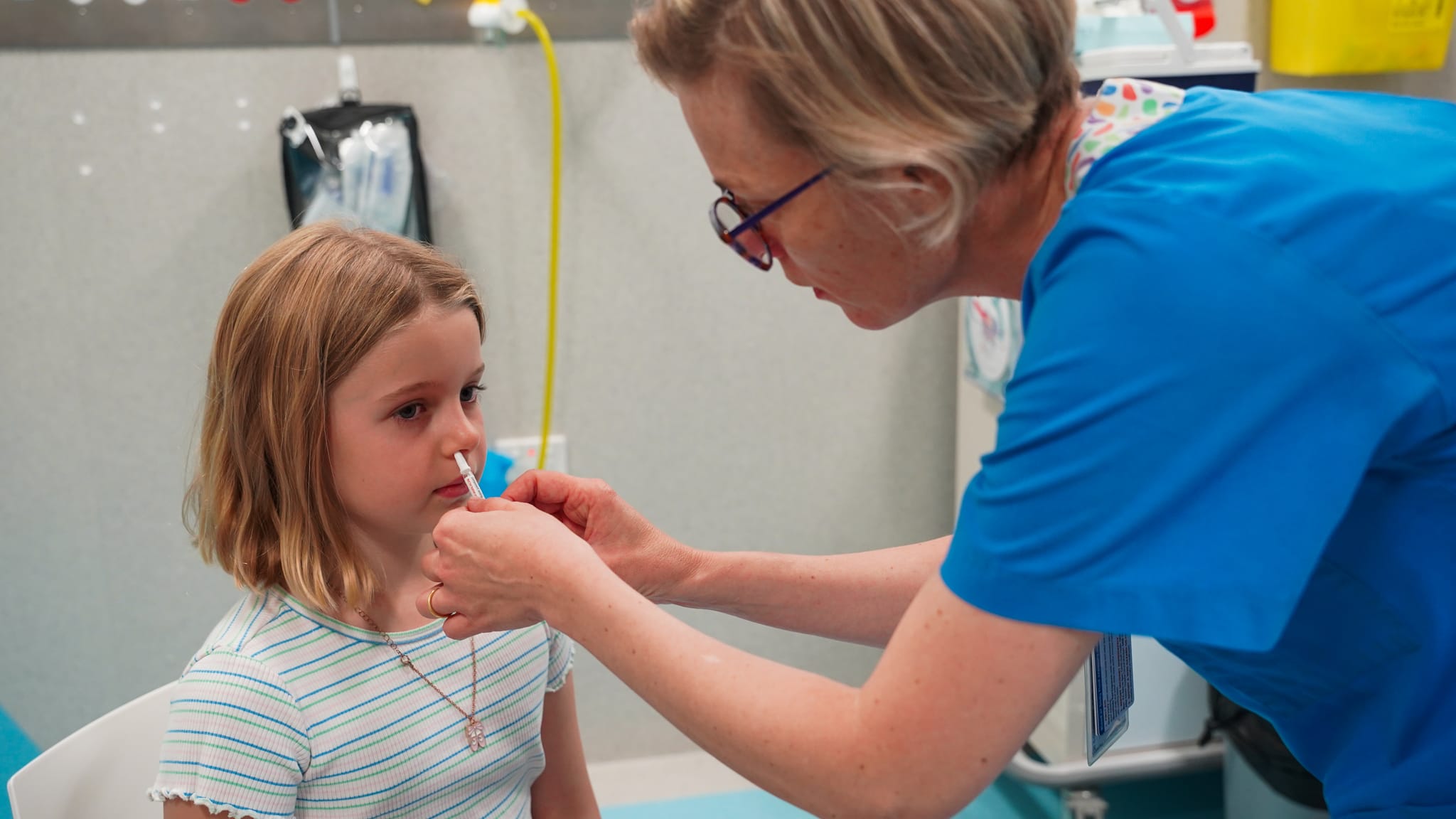
Influenza (commonly known as the flu) is caused by a highly contagious virus spread mainly through coughing and sneezing. An annual flu vaccination is the most effective way to prevent flu outbreaks.
Respiratory Syncytial Virus (RSV) causes a significant burden of illness for children under 2 years of age. Nirsevimab, a long-acting monoclonal antibody, was registered for RSV prevention in Australia in 2023. In April 2024, Western Australia (WA) launched the country's first state-wide nirsevimab program for all infants and high-risk children entering their second RSV season.
Monitoring the number of COVID-19 patients in hospital beds was a critical component of Australia's real-time surveillance strategy for the disease. From 2021 to 2023, we produced short-term forecasts of bed occupancy to support public health decision-making.