
Search
Research
Achieving cultural safety in genetic counseling for Aboriginal and Torres Strait Islander people in AustraliaGlobally, Indigenous people, including Aboriginal and Torres Strait Islander people in Australia, experience significantly poorer health outcomes than their non-Indigenous counterparts. In part, this can be attributed to the ongoing impacts of colonization, marginalization, and systemic discrimination. In the genomic healthcare era, Indigenous people remain underrepresented in public genetic health services, raising concerns about cultural competency and inclusivity within the genetic counseling profession.
Research that maps and tracks.
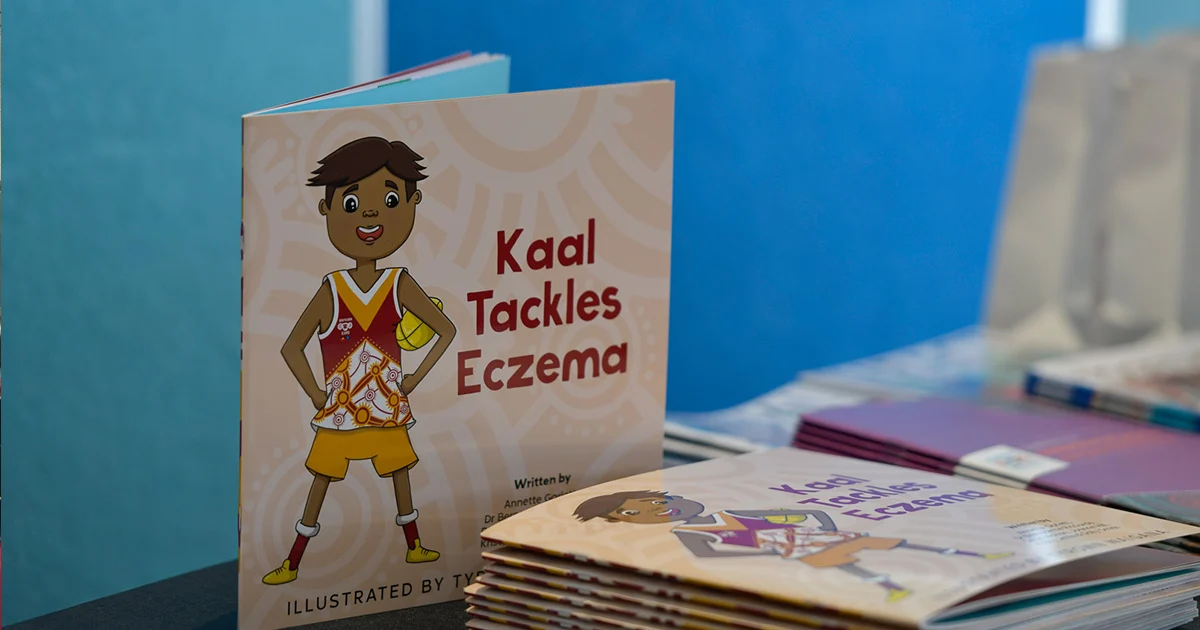
In close partnership with Aboriginal Elders and community members in Western Australia's south-west, we created ‘Kaal Tackles Eczema’, a children’s book to help Aboriginal families manage eczema. Our research showed a high prevalence and need for culturally relevant resources. The book uses Noongar language and art to educate and reduce infections, and is available online and in schools.
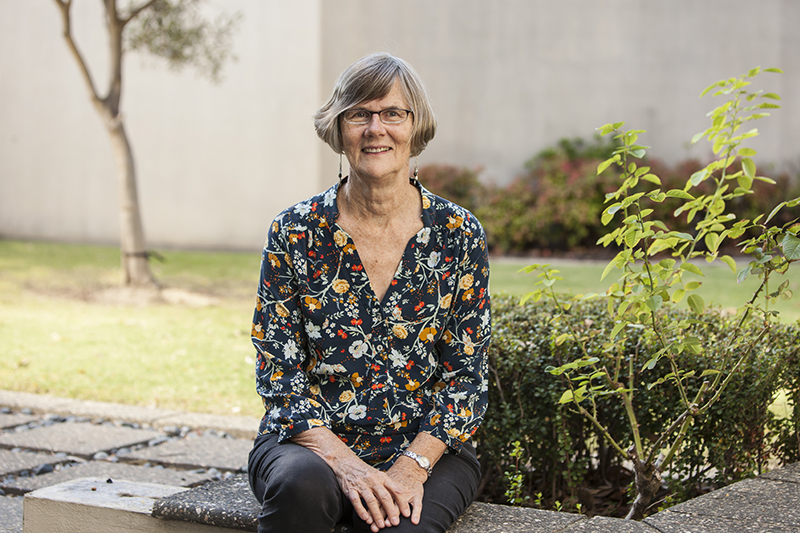
Strong advocacy efforts have paid off with health and food safety ministers from around Australia and New Zealand finally approving the recommended version of a warning label designed to highlight the potential risks of alcohol during pregnancy.
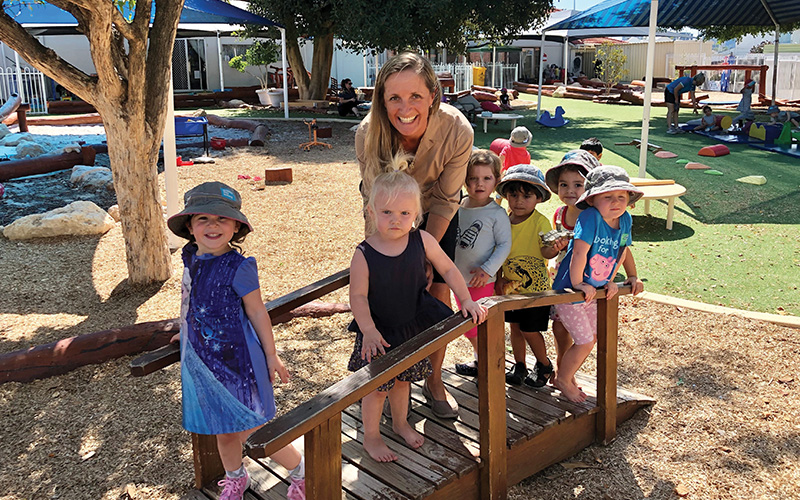
Not too long ago, if you had mentioned physical activity to educators at the Sonas Early Learning & Care centres run by Shelley Prendergast, they would automatically have reached for the trusty old obstacle course.
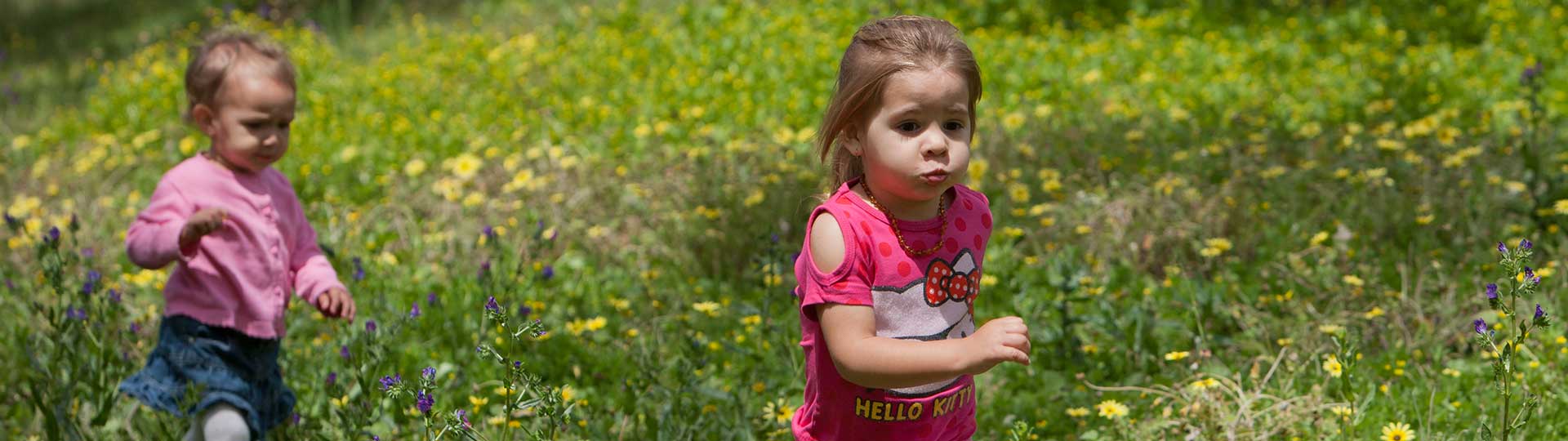
A series of fact sheets have been prepared on a number of issues relating to Indigenous suicide prevention, from our investigations and roundtable discussions.
Strengthening the capacity of Aboriginal children, families and communities
Research
KAMS MOUAs part of the discussions with Kimberley Aboriginal Medical Service (KAMS) to establish the Broome site of the WAAHKN it has been agreed to establish...
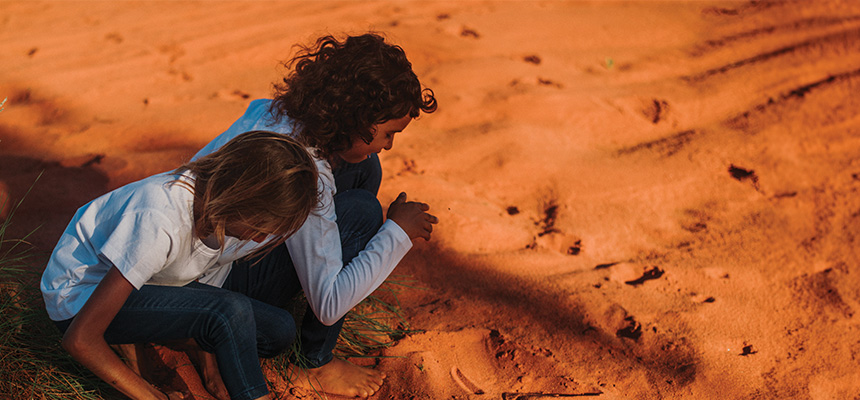
Aboriginal families and communities have endured the imposition of countless ‘solutions’ and had to live with the consequences of these ineffective initiatives. Those consequence are sadly evident in the unrelenting gap in outcomes for Aboriginal kids, compared with other Australian children.
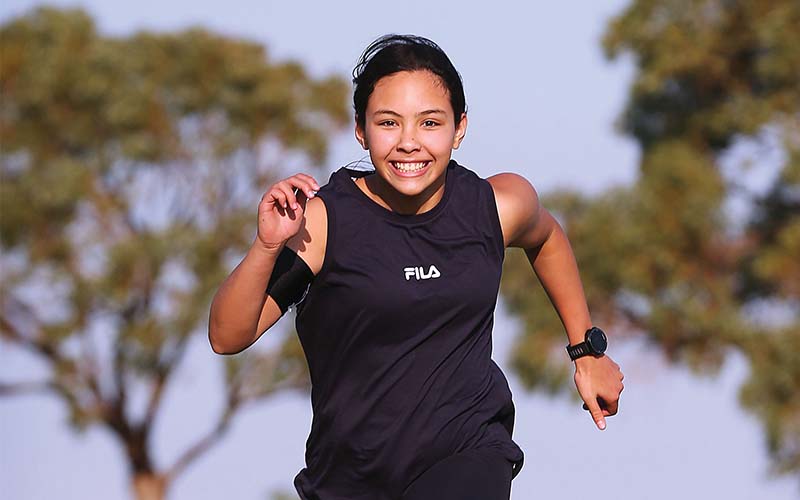
Despite the risk of having a hypo (low blood glucose levels), Gina said she refused to let T1D stop her from exercising.