
Search
Research
Development of the Menu Assessment Scoring Tool (MAST) to Assess the Nutritional Quality of Food Service MenusPreventing the rise in obesity is a global public health priority. Neighbourhood environments can help or undermine people's efforts to manage their weight, depending on availability of nutritious and nutrient-poor 'discretionary' foods. The proportion of household food budgets spent on eating outside the home is increasing. To inform nutrition policy at a local level, an objective assessment of the nutritional quality of foods and beverages on food service menus that is context-specific is needed.
Research
Assessing neutrophil subsets in autoimmune disease: Moving away from relying on density?Neutrophils are the most abundant immune cell in circulation. However, due to a number of technical challenges for researchers, including the neutrophil's short lifespan and difficulties with preservation, they are often discarded during blood processing and thus ignored in cohort studies. As such, the contribution of neutrophils to disease and their involvement in disease mechanisms is less explored compared with other immune cell types.
Research
Differential DNA methylation of steatosis and non-alcoholic fatty liver disease in adolescenceEpigenetic modifications are associated with hepatic fat accumulation and non-alcoholic fatty liver disease (NAFLD). However, few epigenetic modifications directly implicated in such processes have been identified during adolescence, a critical developmental window where physiological changes could influence future disease trajectory. To investigate the association between DNA methylation and NAFLD in adolescence, we undertook discovery and validation of novel methylation marks, alongside replication of previously reported marks.
Research
Multiple traces of monkeypox detected in non-sewered wastewater with sparse sampling from a densely populated metropolitan area in AsiaThe monkeypox virus is excreted in the feces of infected individuals. Therefore, there is an interest in using viral load detection in wastewater for sentinel early surveillance at a community level and as a complementary approach to syndromic surveillance.
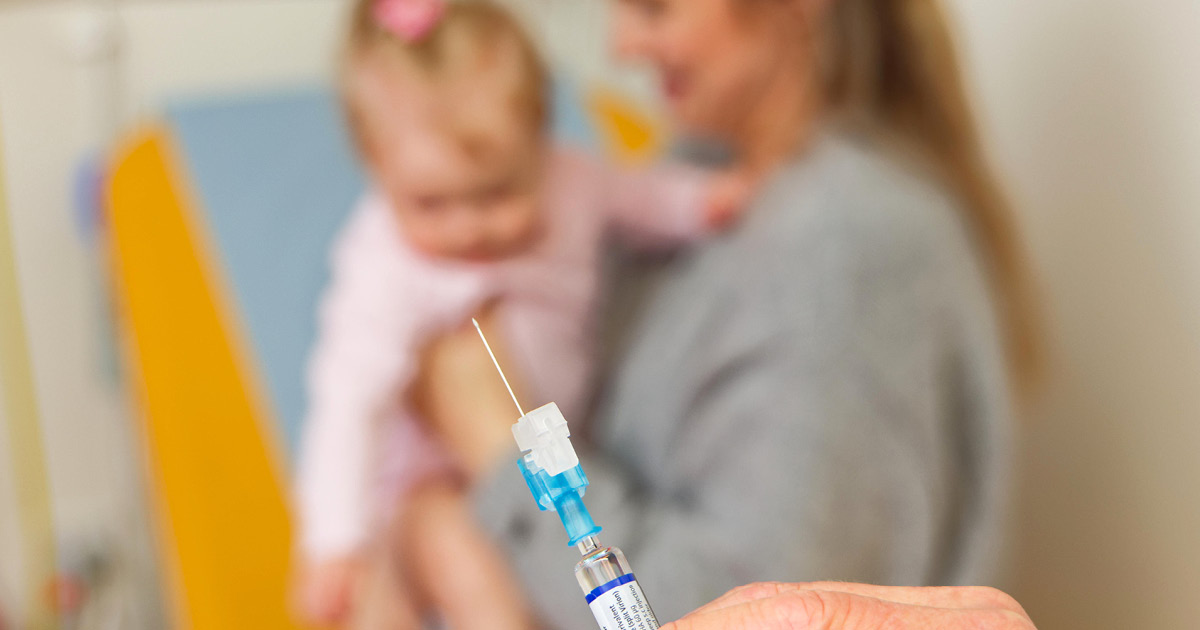
As a leading research site in Australia, the Wesfarmers Centre of Vaccines and Infectious Diseases played an instrumental role in the global effort to develop a world-first RSV immunisation for young babies.

Formative research undertaken by The Kids Research Institute Australia has helped inform tough new laws introduced by the Federal Government to reduce the harm caused by vapes.

A public health campaign to raise awareness about the dangers of chronic wet cough in Aboriginal children is helping to improve detection, diagnosis and management of the condition.

A world-first program for babies with differences in their social and communication skills is aiming to help parents and caregivers better understand the different ways their child communicates.

Healthy skin is a vital factor in the fight against life-threatening conditions like sepsis, heart disease and kidney disease, all of which can be caused by the bacteria Strep A.

Nearly 170 years ago a British doctor applied geospatial mapping to identify the source of a cholera outbreak in central London.