
Search
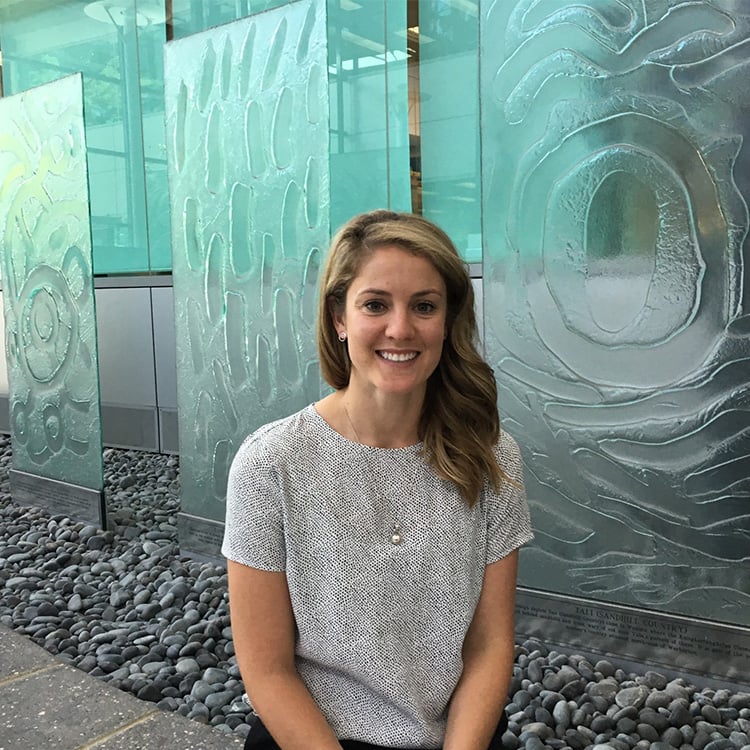
It’s hoped a new therapeutic playgroup being trialled in Perth will help parents and caregivers cut through the stress and become more confident.
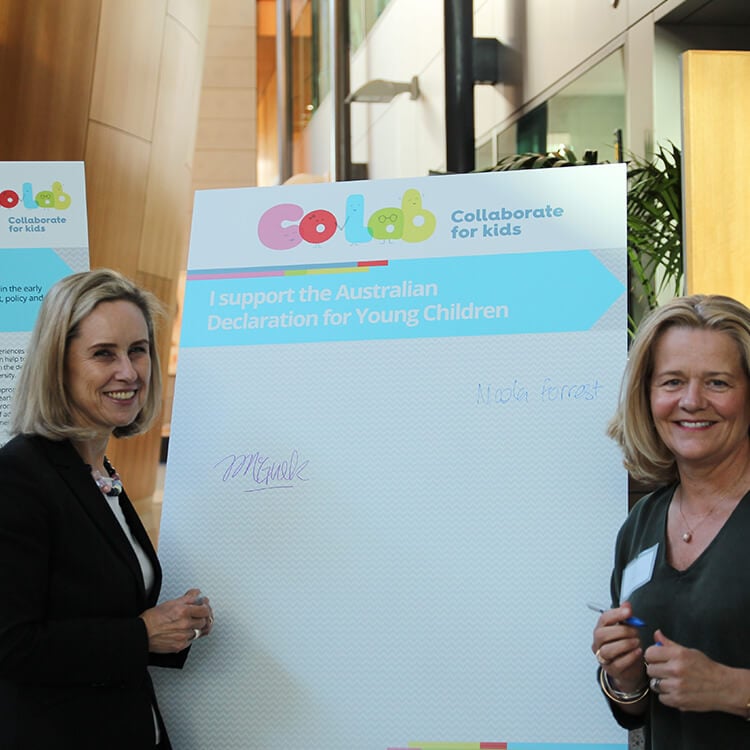
More than 70 leading early childhood experts have come together with CoLab to develop the first-ever Australian Declaration (of evidence) for Early Childhood.
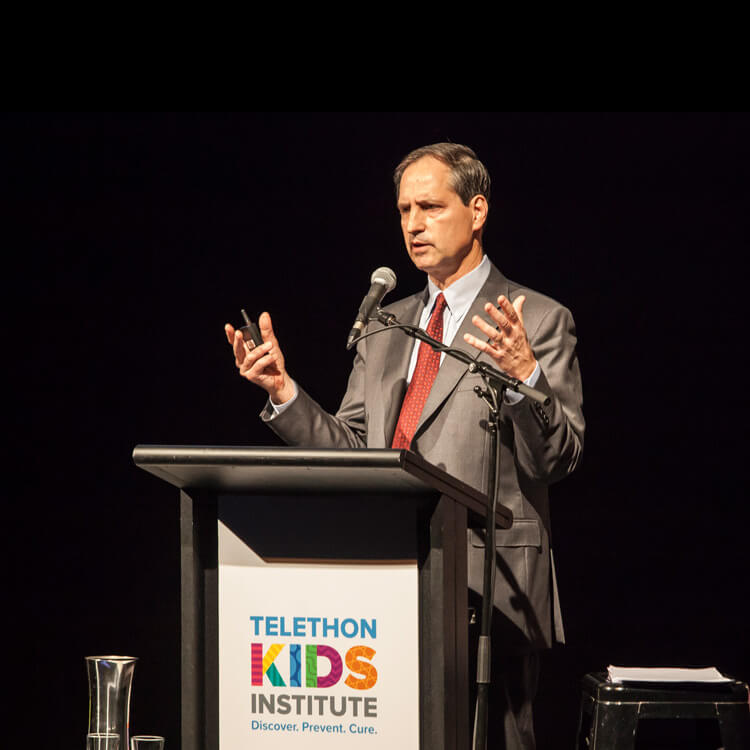
Professor Bloom used his time to make a powerful case for the idea that 'healthier means wealthier' at the The Kids Annual Community Lecture for 2017
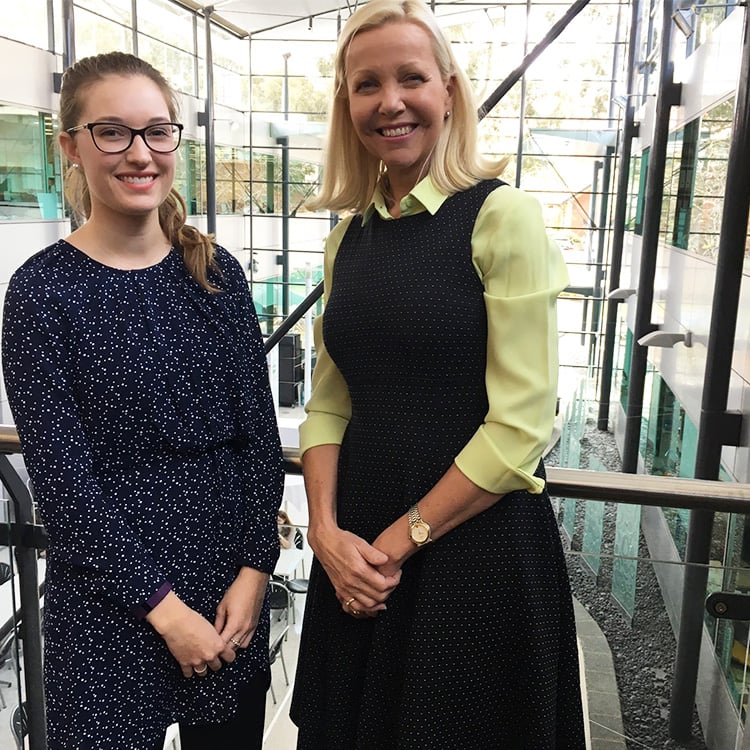
Curtin University researcher Belinda Cuomo is one of the first recipients of a CoLab Top-Up Scholarship.
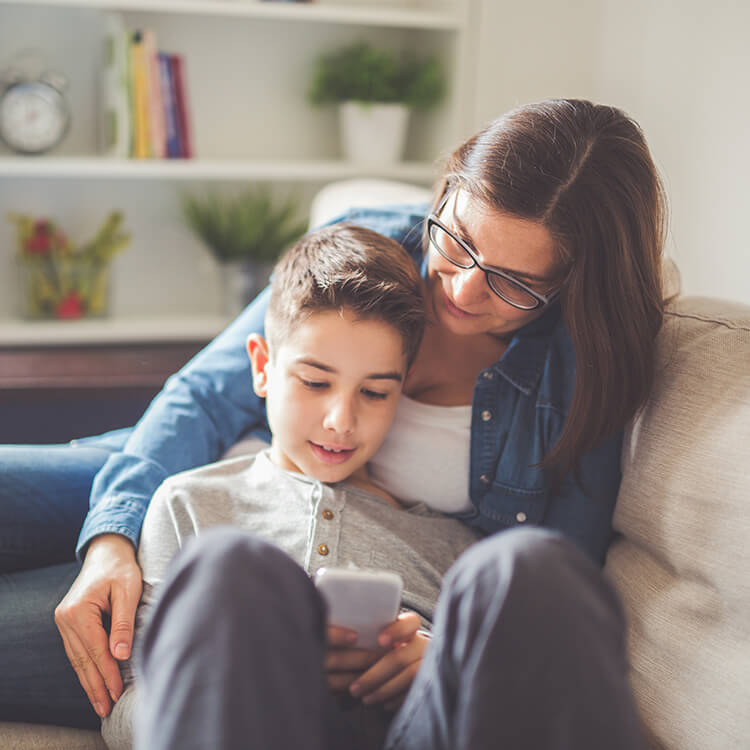
Wangle Technologies, with the support of The Kids, has today launched Wangle Family Insites, a unique new app to help parents keep their family safe online
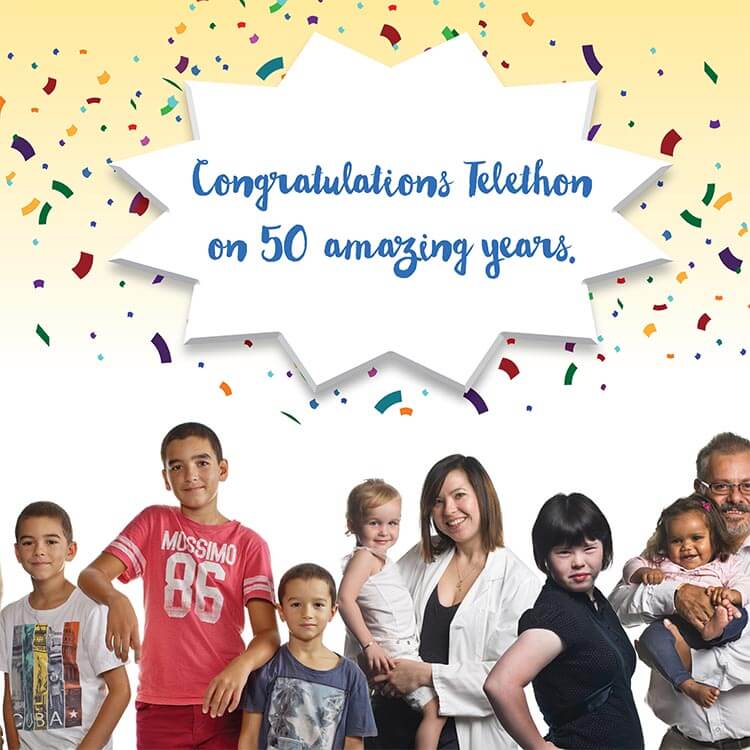
This year sees WA’s much loved Channel 7 Perth Telethon reach a huge milestone, with 2017 marking the annual event’s 50th year of children's health fundraising.
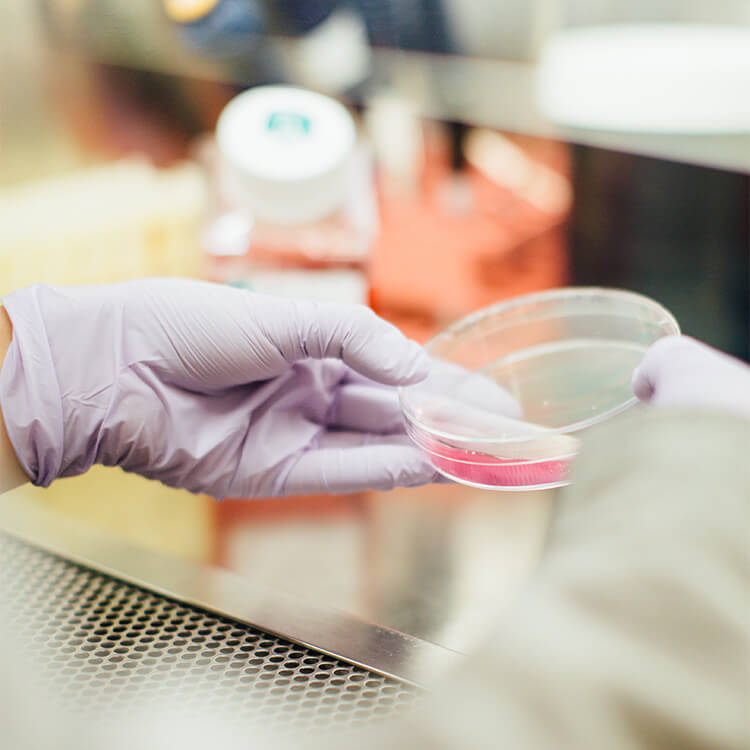
Seven leading The Kids Research Institute Australia researchers have been awarded Fellowships from the National Health and Medical Research Council (NHMRC).
Register now to attend this compelling talk at the Heath Ledger Theatre in Perth on the evening of Wednesday, November 1 2017.
Telethon Kids Institute believes that everyone has the right to be treated with equal respect, to feel included and not be subjected to discrimination.
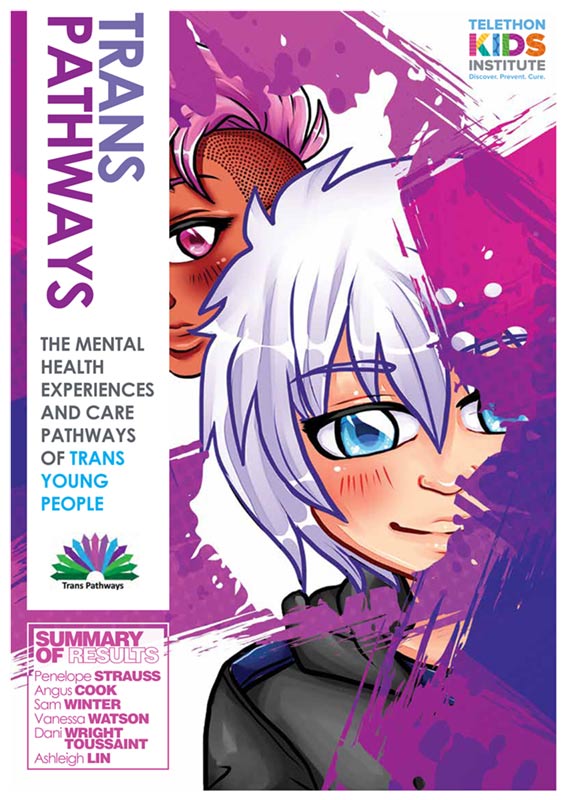
Trans Pathways is the largest ever survey conducted into the mental health of trans young people in Australia.