
Search
Research
Promoting mental well-being in Western Australia: Act Belong Commit® mental health promotion campaign partners’ perspectivesThe Act Belong Commit® mental health promotion campaign aims to improve population mental well-being. Based on a social-franchising model, partnerships are sought with organizations offering 'mentally healthy activities' that foster social connectedness and mental well-being. There are four categories of partner organizations sought: Site (government agencies and health services), Associate (organizations with state-wide or national services), Community (local, grass-roots community groups) and Schools.
Research
Global prevalence of psychosocial assessment following hospital-treated self-harm: Systematic review and meta-analysisHospital-treated self-harm is common, costly and associated with repeated self-harm and suicide. Providing a comprehensive psychosocial assessment following self-harm is recommended by professional bodies and may improve outcomes.
Research
Trends in treatment-seeking for fever in children under five years old in 151 countries from 1990 to 2020Access to medical treatment for fever is essential to prevent morbidity and mortality in individuals and to prevent transmission of communicable febrile illness in communities. Quantification of the rates at which treatment is accessed is critical for health system planning and a prerequisite for disease burden estimates.
Research
West Australian parents’ views on vaccinating their children against COVID-19: a qualitative studyAustralian children and adolescents were among the last local cohorts offered COVID-19 vaccines. Despite promising initial uptake, coverage subsequently plateaued, requiring further efforts to improve access and build parents’ recognition of the importance of COVID-19 vaccination.
Research
Inhaled corticosteroids to improve lung function in children (aged 6–12 years) who were born very preterm (PICSI): a randomised, double-blind, placebo-controlled trialDespite the substantial burden of lung disease throughout childhood in children who were born very preterm, there are no evidence-based interventions to improve lung health beyond the neonatal period. We tested the hypothesis that inhaled corticosteroid improves lung function in this population.
Research
Taste-Masked Flucloxacillin Powder Part 2: Formulation Optimisation Using the Mixture Design Approach and Storage StabilityFlucloxacillin is prescribed to treat skin infections but its highly bitter taste is poorly tolerated in children. This work describes the application of the D-optimal mixture experimental design to identify the optimal component ratio of flucloxacillin, Eudragit EPO and palmitic acid to prepare flucloxacillin taste-masked microparticles that would be stable to storage and would inhibit flucloxacillin release in the oral cavity while facilitating the total release of the flucloxacillin load in the lower gastrointestinal tract.
Research
Exploring Primary School Staff Responses to Student Reports of Bullying in Australia: A Qualitative StudyBullying behaviour often increases in late childhood and peaks in early adolescence. While interventions to address bullying behaviour typically encourage students to report bullying incidents to school staff, students are often reluctant to report incidents for fear it will worsen their situation or because they lack confidence in a staff members’ ability to intervene effectively. This study explores school staff responses to student reports of bullying behaviour.
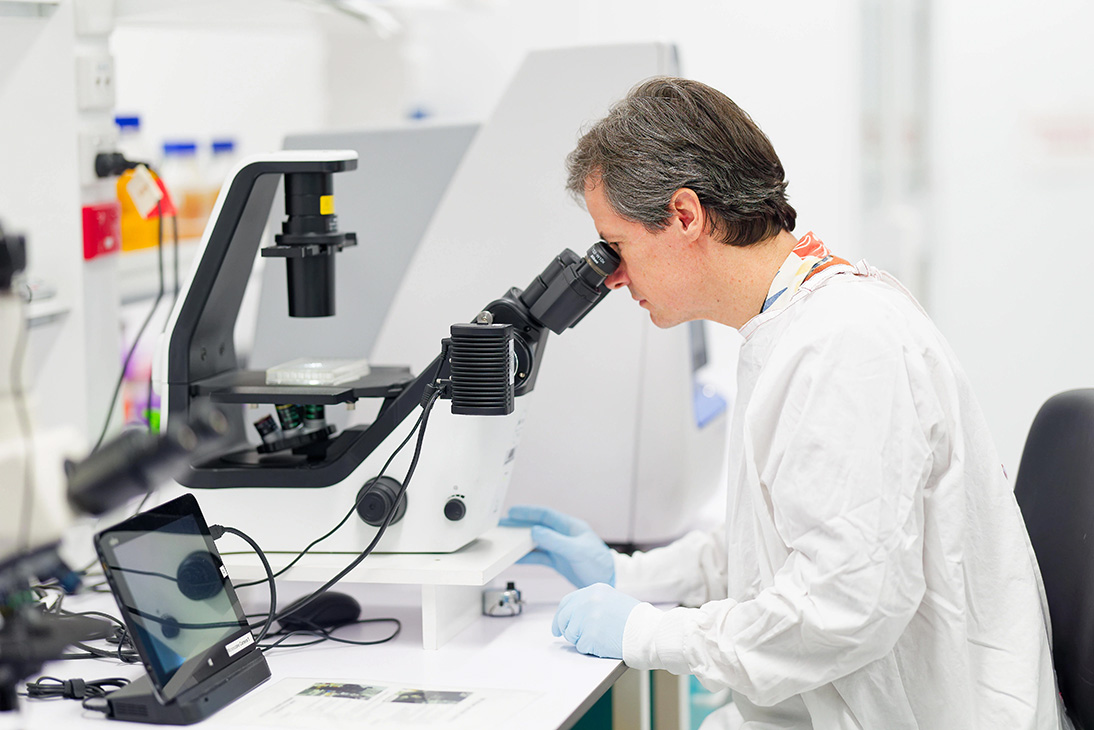
At The Kids Research Institute Australia, we've been thinking of the kids for 35 years. We are finding the answers to some of the biggest problems facing the health and wellbeing of children and families. Our Research Themes host defined programs of work where the Institute has clear strengths and capacity. Our overarching commitment to First Nations Health and Equity is embedded across all our work and features as a core consideration in each Research Theme. The Institute is committed to ending the disparity in health and wellbeing outcomes between Aboriginal and non-Aboriginal kids and families.

For the first time this year, all Australian babies and children aged six months to four years will be entitled to have a free influenza vaccination.
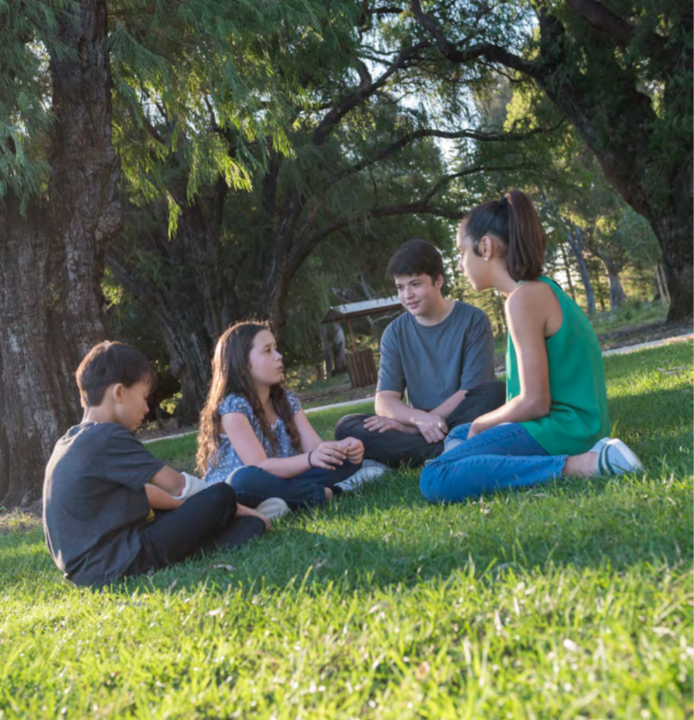
Can young people experiencing homelessness be part of the solution in suicide prevention? That is the question youth mental health researchers at Embrace at The Kids Research Institute Australia will investigate.