
Search
First Nations children hospitalised with acute lower respiratory infections (ALRIs) are at increased risk of future bronchiectasis (up to 15-19%) within 24-months post-hospitalisation. An identified predictive factor is persistent wet cough a month after hospitalisation and this is likely related to protracted bacterial bronchitis which can progress to bronchiectasis, if untreated.
Following a relative absence in winter 2020, a large resurgence of respiratory syncytial virus (RSV) detections occurred during the 2020/2021 summer in Western Australia. This seasonal shift was linked to SARS-CoV-2 public health measures. We examine the epidemiology and RSV testing of respiratory-coded admissions, and compare clinical phenotype of RSV-positive admissions between 2019 and 2020.
Respiratory syncytial virus (RSV) is a leading cause of childhood morbidity, however there is no systematic testing in children hospitalised with respiratory symptoms. Therefore, current RSV incidence likely underestimates the true burden.
An interseasonal resurgence of respiratory syncytial virus (RSV) was observed in Western Australia at the end of 2020. Our previous report describing this resurgence compared the 2019 and 2020 calendar years, capturing only part of the 2020/21 season.
Following the end of winter, there has been a persistent absence of severe acute respiratory syndrome coronavirus 2 community transmission and no increase in influenza detections. Limited physical distancing measures have remained in place, with largely no restrictions on gathering sizes and no mandate for wearing masks.
Acute wheezing is one of the most common hospital presentations for young children. Respiratory syncytial virus (RSV) and rhinovirus (RV) species A, B and the more recently described species C are implicated in the majority of these presentations. However, the relative importance and age-specificities of these viruses have not been defined.

Respiratory Syncytial Virus (RSV) is a year-round threat to the health of babies and young children, and one of the leading causes of infant hospitalisation in Australia. It is highly contagious and can cause anything from mild cold-like symptoms to severe lung infections such as bronchiolitis and pneumonia. For n

Global circulation of respiratory syncytial virus (RSV) is shaped by human air travel with travellers hosting new strains fuelling transmission across borders, an international The Kids Research Institute Australia study found.
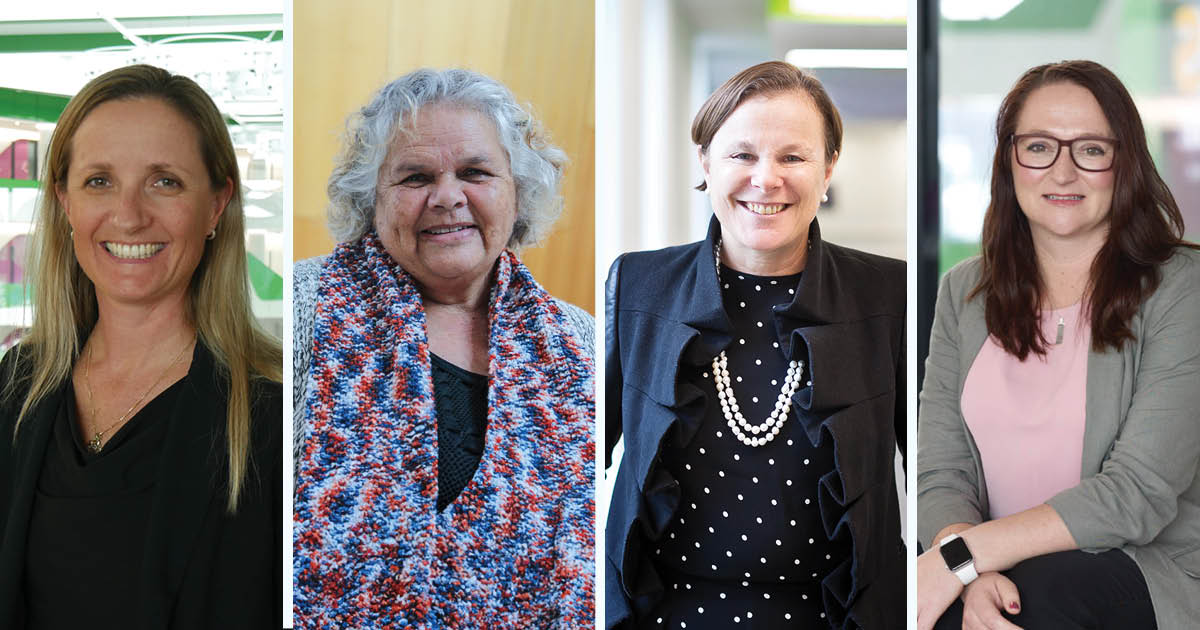
Four outstanding members of The Kids Research Institute Australia family – three researchers and an Aboriginal Elder co-researcher – have been named in the Australia Day Honours List for their outstanding service to research and the community.
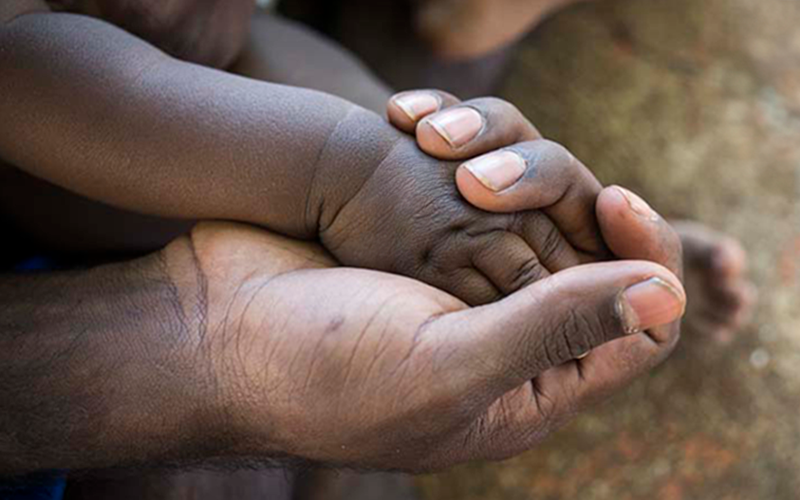
Experts are warning Aboriginal parents in Western Australia with newborn babies to be vigilant about Respiratory Syncytial Virus (RSV) as winter progresses.