
Search
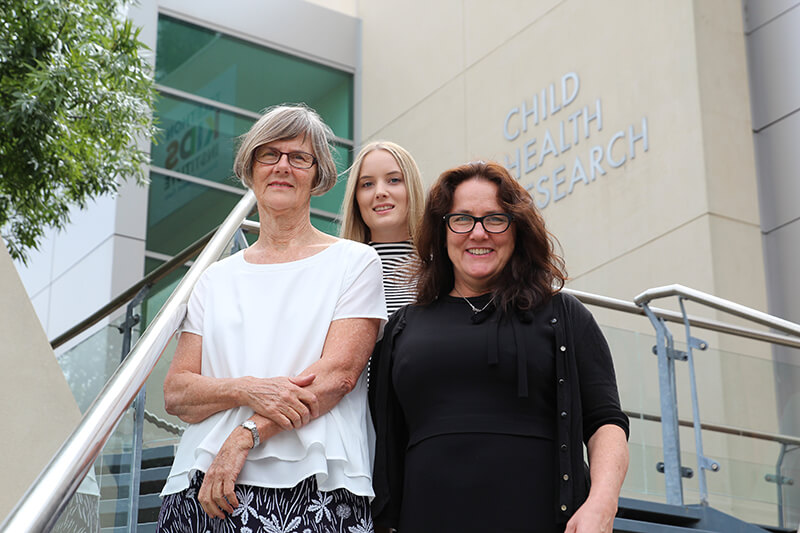
Nine out of ten incarcerated youth examined by The Kids researchers as part of a ground-breaking study had some form of neuro-disability.
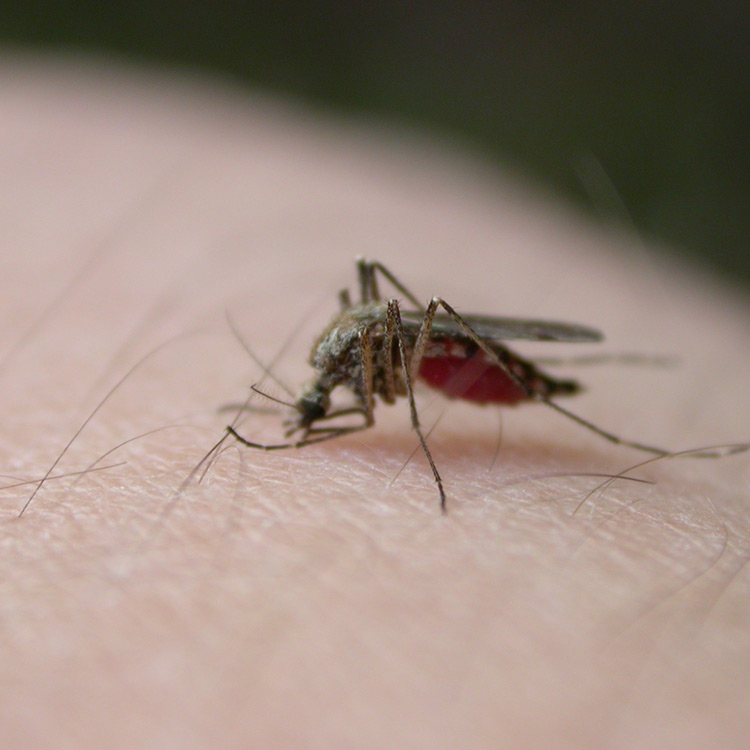
WA Researchers have conducted an Australian-first study to determine the prevalence of microcephaly, in preparation of any future outbreak of the Zika virus.

A new study has found children with disabilities are 3 times more likely to be maltreated compared to other children but that risk varies by type of disability.
New research from the Telethon Institute has shown that children with an intellectual disability are up to 10x more likely to be admitted to hospital.

Principal Research Fellow
A project led by The Kids Research Institute Australia’s child disability team will seek to reduce potentially preventable hospitalisations and build health literacy for children and young people with intellectual disability.
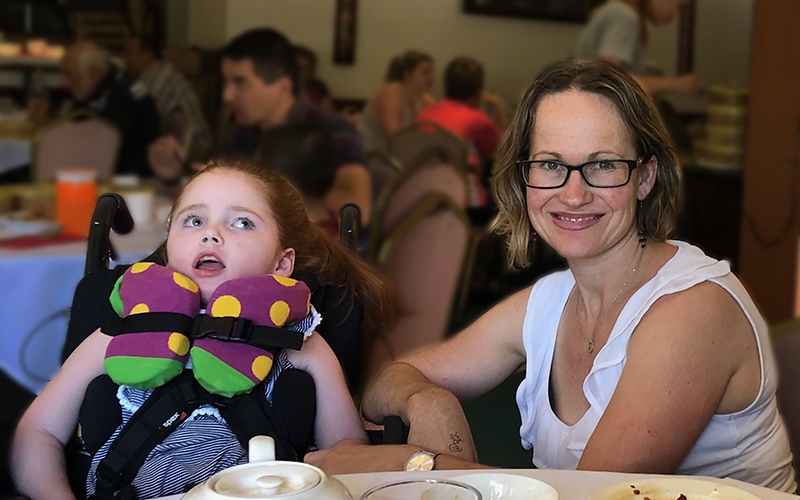
Children with intellectual disability who underwent gastrostomy – a feeding tube placed into the stomach – had better overall health and fewer hospitalisations for all causes except acute respiratory illnesses, research led by The Kids Research Institute Australia has found.
One of the many reasons for setting up the International CDKL5 Disorder Database was to learn more about this condition.
Government early intervention services for children with intellectual disability (ID) in Western Australia have adopted the model of family-centred care.
Rates of Down syndrome (DS) show considerable international variation, but a systematic assessment of this variation is lacking.