
Search

With the school year now well underway, it’s not uncommon for kids to start feeling the stress of assignments, homework and extracurricular activities.
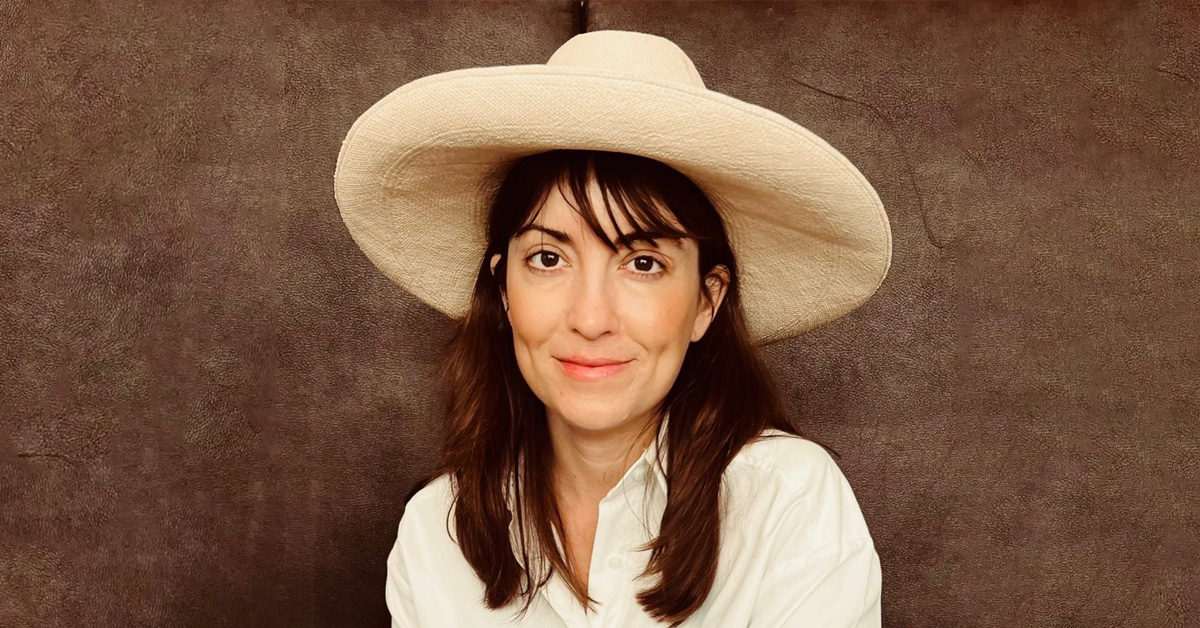
A The Kids Research Institute Australia researcher whose work focuses on the mental health of babies and young children has been chosen from a global field to become one of 20 new Zero to Three Fellows.
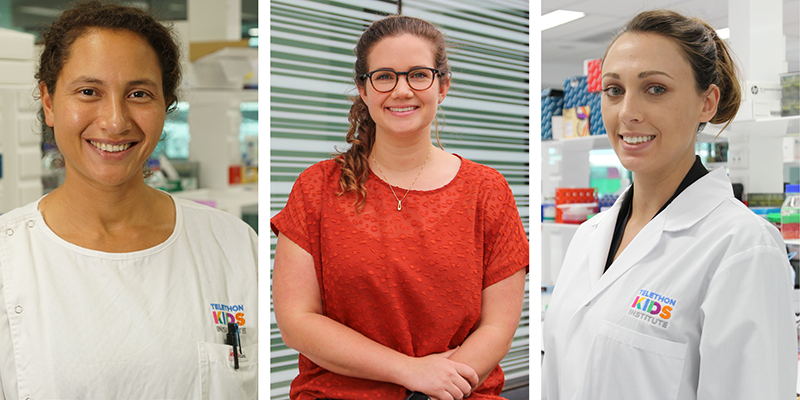
Three outstanding young researchers from The Kids Research Institute Australia have been named Raine Fellows and received valuable Raine Priming Grants to support their child health research.
To characterize sleep profiles in individuals with neurogenetic disorders (NGDs) and examine the contribution of key clinical and psychiatric symptoms to these profiles.
Siblings of individuals with neurodevelopmental conditions have unique experiences and sometimes additional challenges, especially in rural areas where there may be limited access to sibling-specific support services.
University students face obstacles while pursuing their goals, and these challenges risk undermining their mental health. Goal flexibility has been identified as beneficial for promoting well-being and protecting mental health; however, the relationship between goal flexibility and mental health challenges remains underexplored.
Off-label antipsychotic prescribing for non-psychotic disorders is increasing, often at low doses and over extended periods. While cardiometabolic adverse effects are documented among individuals treated with antipsychotics for psychotic disorders, the consequences of long-term off-label antipsychotic use are not well-known.
Culturally unsafe mental health services contribute to persistent inequities for Aboriginal and Torres Strait Islander peoples, yet existing cultural safety frameworks lack clear, prioritised, community-endorsed implementation guidance. This study aimed to establish Aboriginal consensus on cultural safety principles, implementation priorities and practical actions for culturally safe mental health services.
Paediatric burn injuries are a global health concern with long-term health consequences, such as psychological, immune, and cardiovascular complications, that can persist even after non-severe injuries. Emerging evidence suggests that biological sex may influence post-burn outcomes in children, as female burn survivors have been shown to experience higher mortality, scarring, anxiety, depression, and poorer quality of life compared to males.
Parental severe mental illnesses (SMIs), including schizophrenia, bipolar disorder, and major depressive disorder (MDD), can impact children's well-being, yet existing meta-analyses are limited in scope and methodology and do not comprehensively assess cognitive and academic performance in offspring across SMIs.