
Search
RNA-sequencing (RNA-seq) efforts in acute lymphoblastic leukaemia have identified numerous prognostically significant genomic alterations which can guide diagnostic risk stratification and treatment choices when detected early.
Malignant central nervous system (CNS) cancers are among the most difficult to treat, with low rates of survival and a high likelihood of recurrence. This is primarily due to their location within the CNS, hindering adequate drug delivery and tumour access via surgery. Furthermore, CNS cancer cells are highly plastic, an adaptive property that enables them to bypass targeted treatment strategies and develop drug resistance.
KMT2A-rearranged infant acute lymphoblastic leukemia (ALL) represents the most refractory type of childhood leukemia. To uncover the molecular heterogeneity of this disease, we perform RNA sequencing, methylation array analysis, whole exome and targeted deep sequencing on 84 infants with KMT2A-rearranged leukemia.
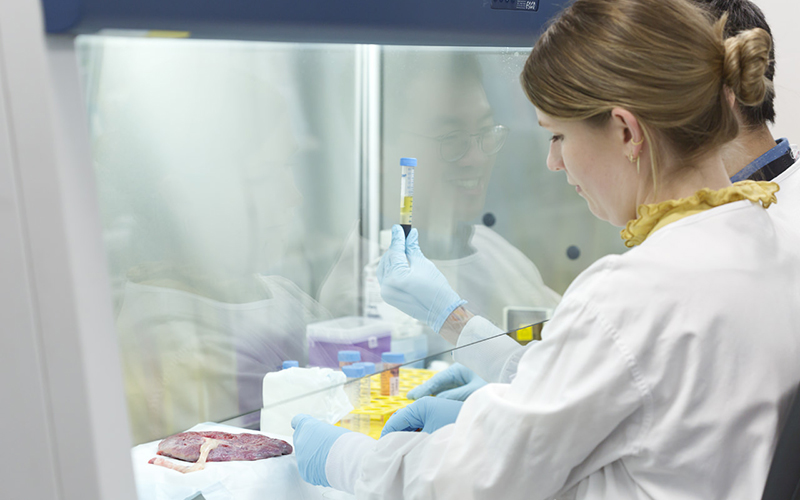
Four The Kids Research Institute Australia-based biobanks which underpin a range of cancer, respiratory and early life research have received more than $450,000 in funding.
Invasive fungal disease (IFD) remains a challenging complication of treatment for paediatric acute leukaemia. Consensus fungal treatment guidelines recommend withholding chemotherapy to facilitate immune recovery in this setting, yet prolonged delays in leukaemia therapy increase risk of relapse.
Antibodies that target immune checkpoints such as cytotoxic T lymphocyte antigen 4 (CTLA‐4) and the programmed cell death protein 1/ligand 1 (PD-1/PD-L1) are now a treatment option for multiple cancer types. However, as a monotherapy, objective responses only occur in a minority of patients. Chemotherapy is widely used in combination with immune checkpoint blockade (ICB). Although a variety of isolated immunostimulatory effects have been reported for several classes of chemotherapeutics, it is unclear which chemotherapeutics provide the most benefit when combined with ICB.
Increasing evidence suggests that breastfeeding may protect from childhood acute lymphoblastic leukemia and acute myeloid leukemia. However, most studies have limited their analyses to any breastfeeding, and only a few data have examined exclusive breastfeeding, or other exposures such as formula milk.
Pineoblastoma is a rare brain tumor usually diagnosed in children. Given its rarity, no pineoblastoma-specific trials have been conducted. Studies have included pineoblastoma accruing for other embryonal tumors over the past 30 years.
With immune checkpoint therapy (ICT) having reshaped the treatment of many cancers, the next frontier is to identify and develop novel combination therapies to improve efficacy. Previously, we and others identified beneficial immunological effects of the vitamin A derivative tretinoin on anti-tumour immunity.
Medulloblastoma is the most common childhood brain cancer. Mainstay treatments of radiation and chemotherapy have not changed in decades and new treatment approaches are crucial for the improvement of clinical outcomes. To date, immunotherapies for medulloblastoma have been unsuccessful, and studies investigating the immune microenvironment of the disease and the impact of current therapies are limited.