
Search
Neurodevelopmental disorders (NDDs) have high comorbidity rates and shared etiology. Nevertheless, NDD assessment is diagnosis-driven and focuses on symptom profiles of individual disorders, which hinders diagnosis and treatment. There is also no evidence-based, standardized transdiagnostic approach currently available to provide a full clinical picture of individuals with NDDs. The pressing need for transdiagnostic assessment led to the development of the Neurodevelopment Assessment Scale.
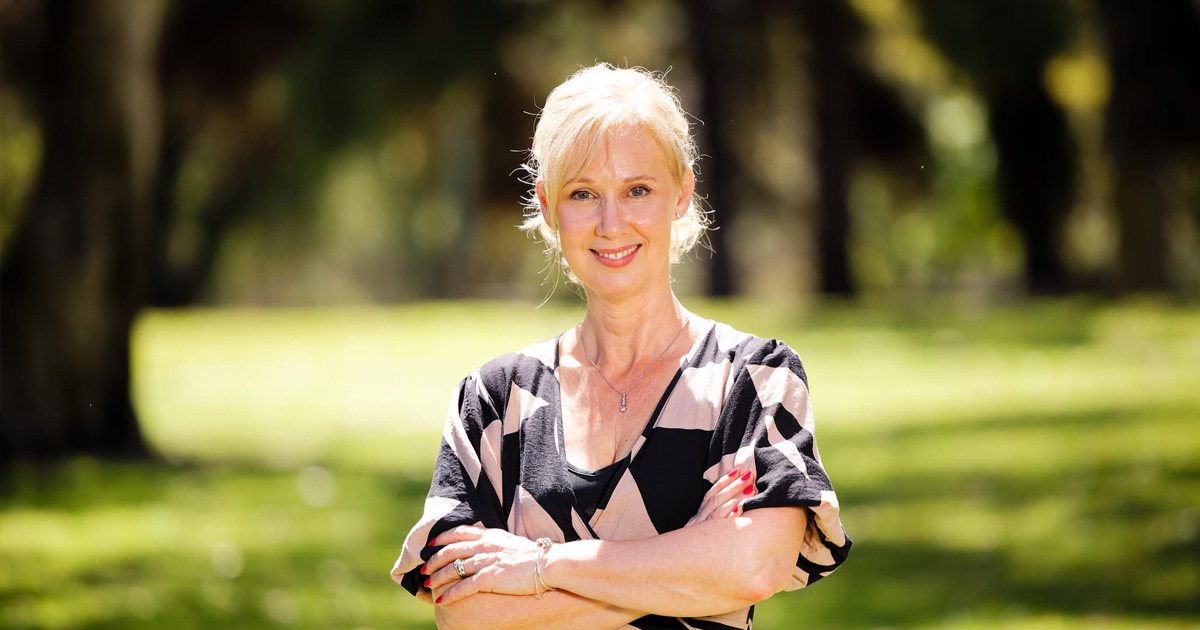
In honour of International Day of Women and Girls in Science, we celebrate women in STEM and their incredible contributions to the field, aiming to inspire the next generation of female scientists.
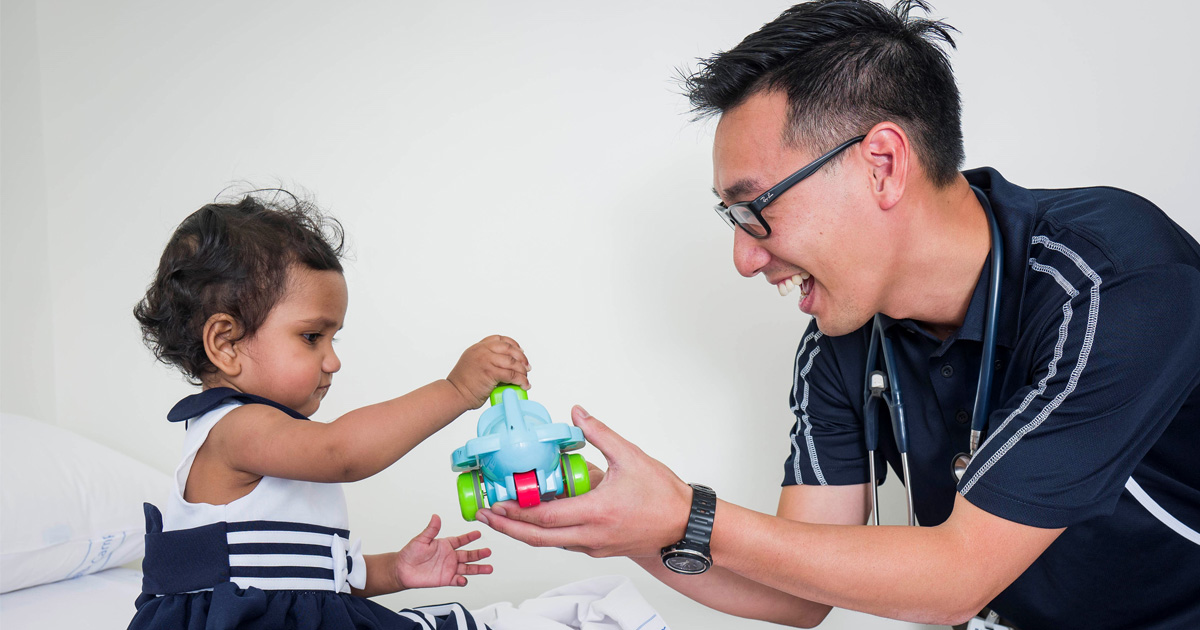
A third of Western Australian one-year-olds and up to two thirds of three-year-olds have low iron, a study by The Kids Research Institute Australia has found.

ORIGINS sub-project, The Flourishing Child, has received a $746,051 grant from the Medical Research Future Fund to develop a Flourishing Assessment and Pathway Tool to address gaps in early intervention for children's mental health.
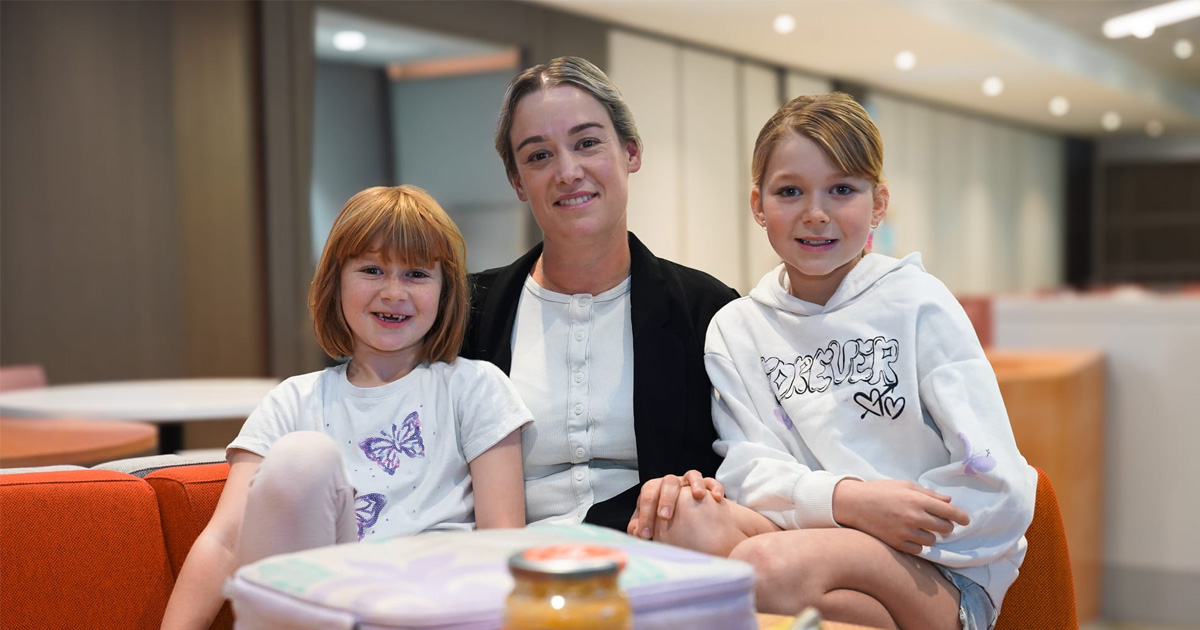
Families who introduce peanut butter and eggs to their baby’s diet at around six months of age can significantly reduce the chances of them developing a life-threatening allergy, according to a new study published in the Journal of Allergy and Clinical Immunology – In Practice.
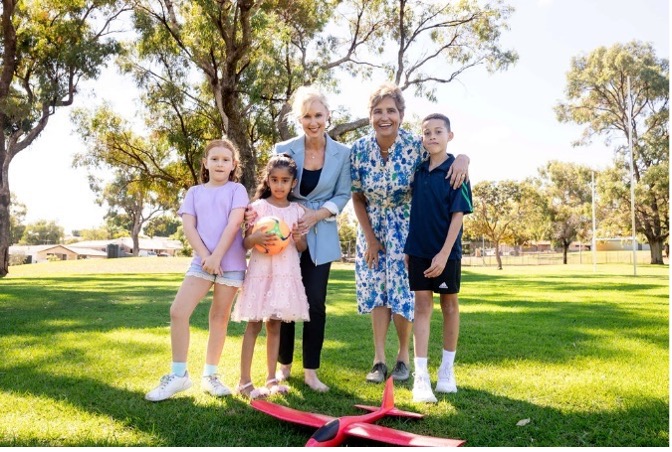
ORIGINS is celebrating a substantial funding increase for its world-class research into child and family health and wellbeing.
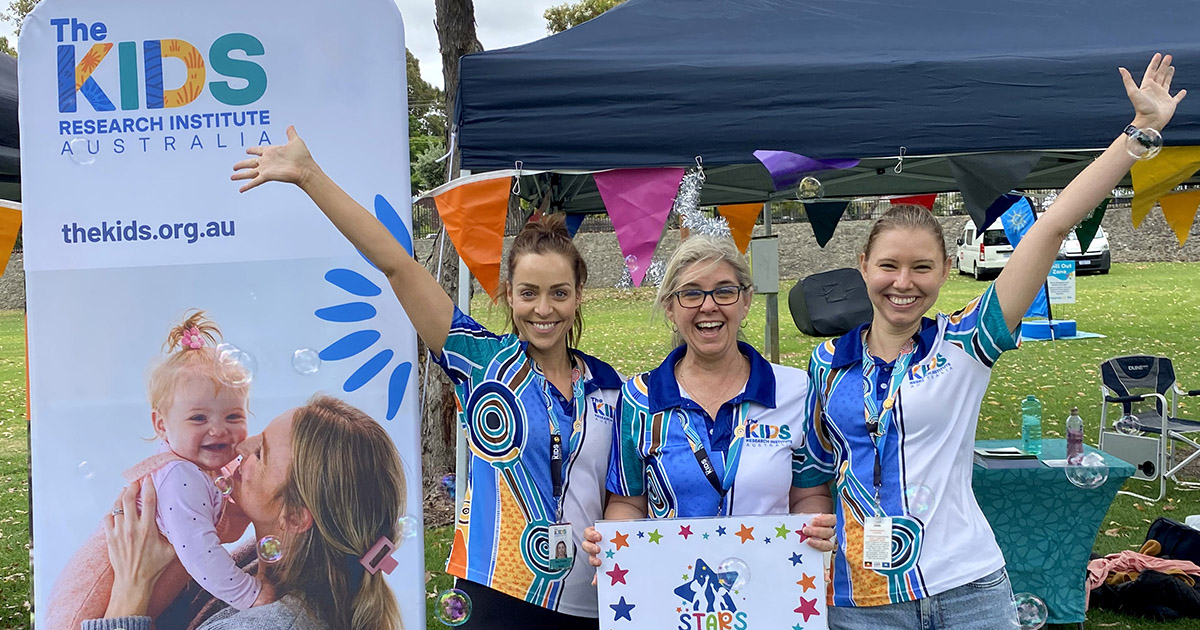
STARS for Kids, a sub-project of ORIGINS, received a three-year grant to advance the development of a scalable, online, tiered model of care to better support disadvantaged communities, where 20-25 per cent of children are entering school developmentally vulnerable.
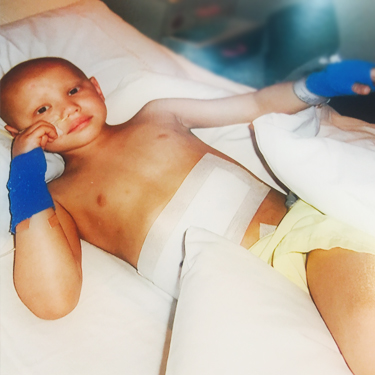
Rennae's son Samuel was diagnosed with stage 4 neuroblastoma 13 years ago, and was originally given a 20% chance of survival. She bravely shares their story.
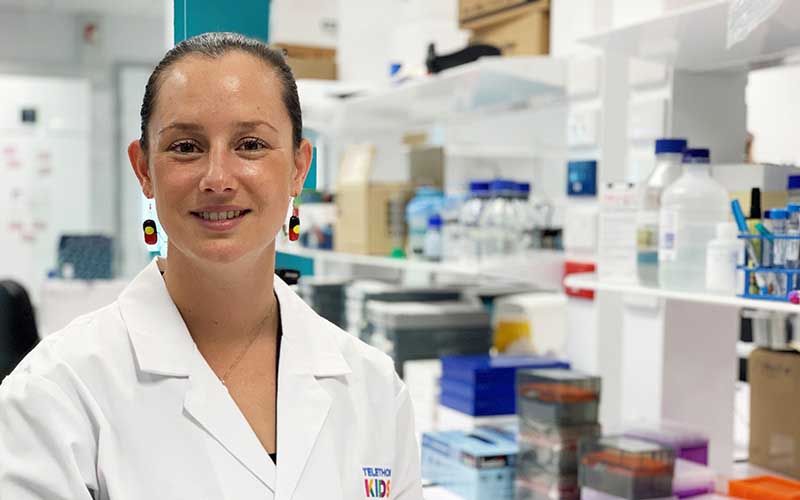
Outstanding Aboriginal researcher Jessica Buck has received a prestigious Forrest Foundation Research Fellowship to investigate innovative new therapies for children with brain cancer.
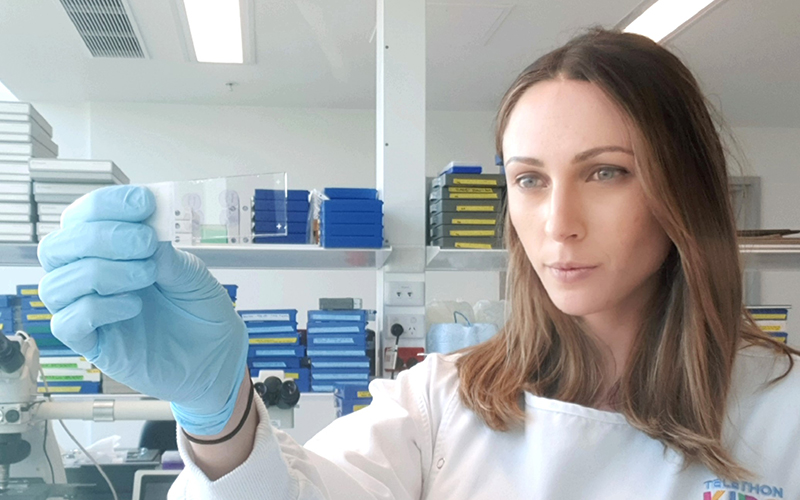
A The Kids Research Institute Australia researcher aiming to reduce the high rate of relapse in children after cancer surgery has won a prestigious post-doctoral fellowship from the Forrest Foundation.