
Search
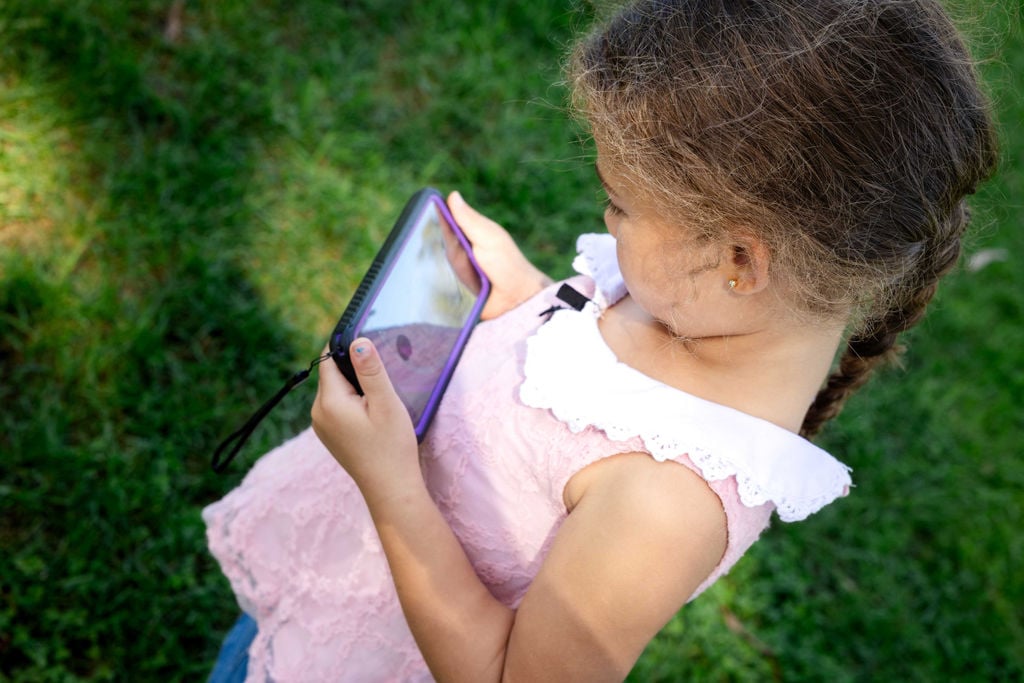
Parental factors influencing child digital technology use in the early years.
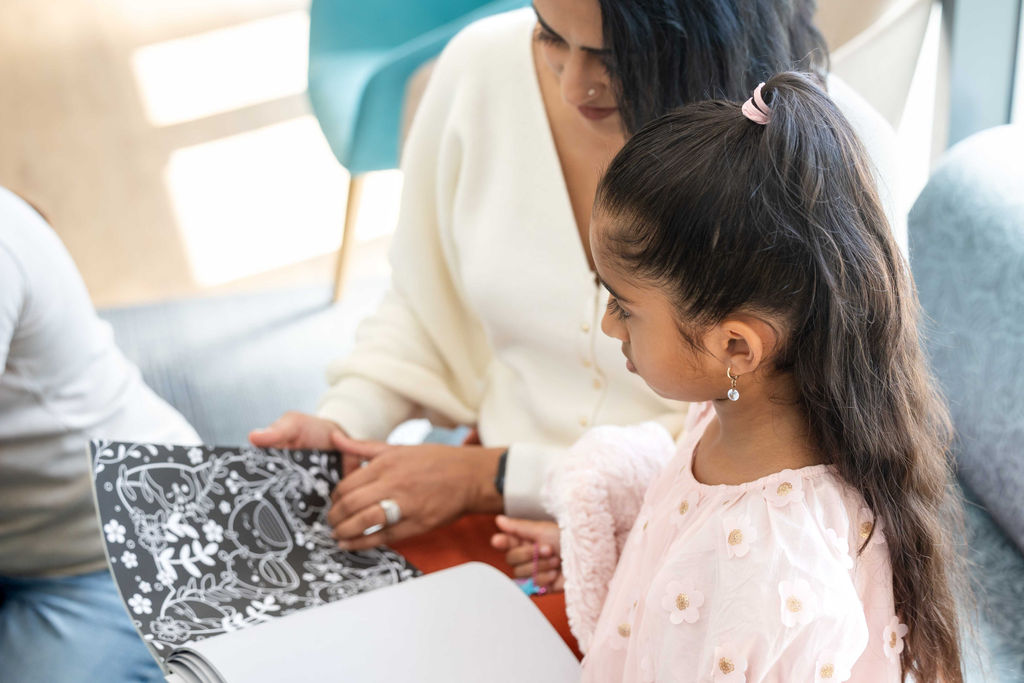
ORIGINS sub-projects are investigating the best way to provide support to new parents and positively influence the health and development of their children.
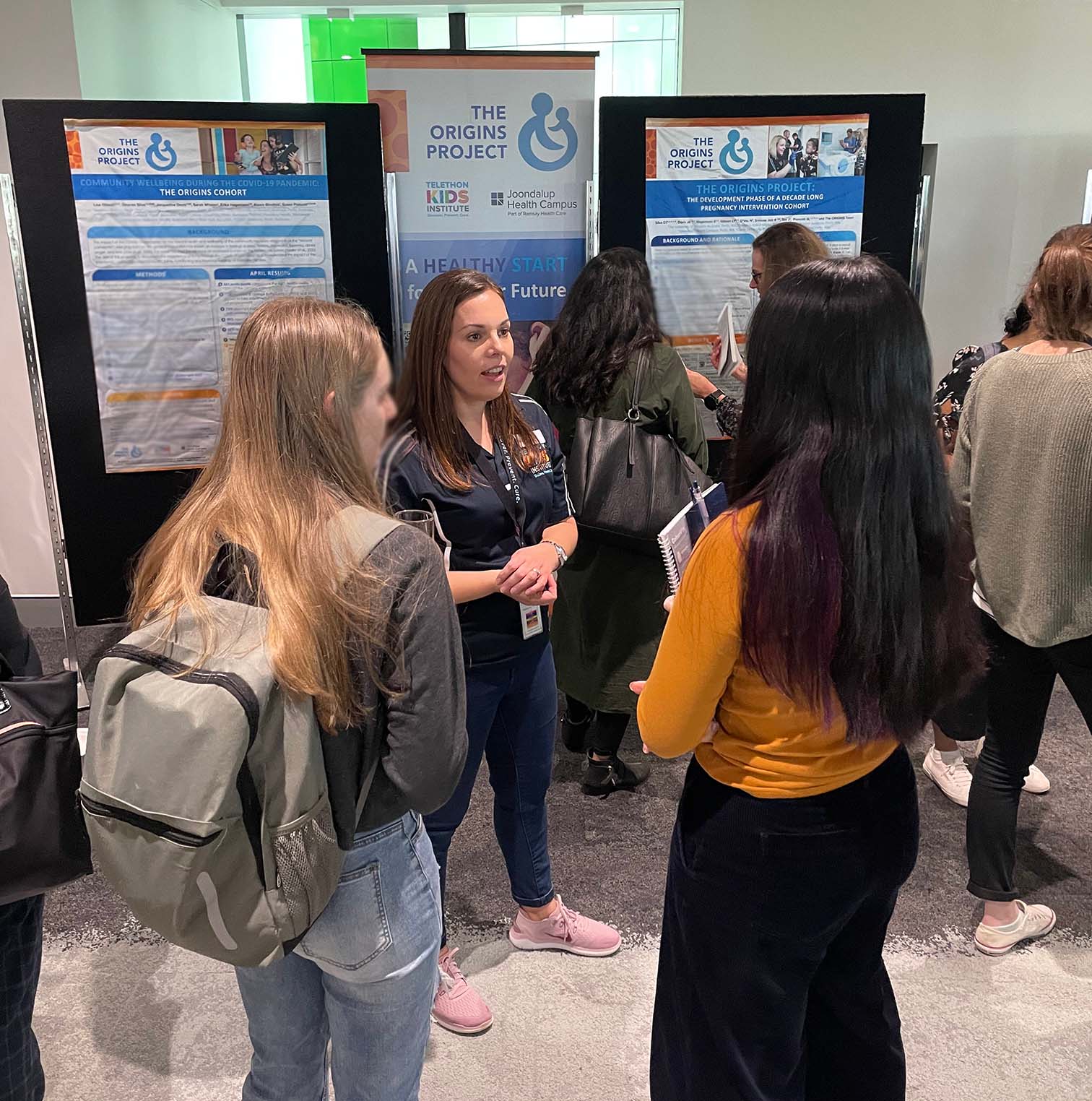
Students met ORIGINS team at the recent Prospective Student Evening at Telethon Kids Institute.
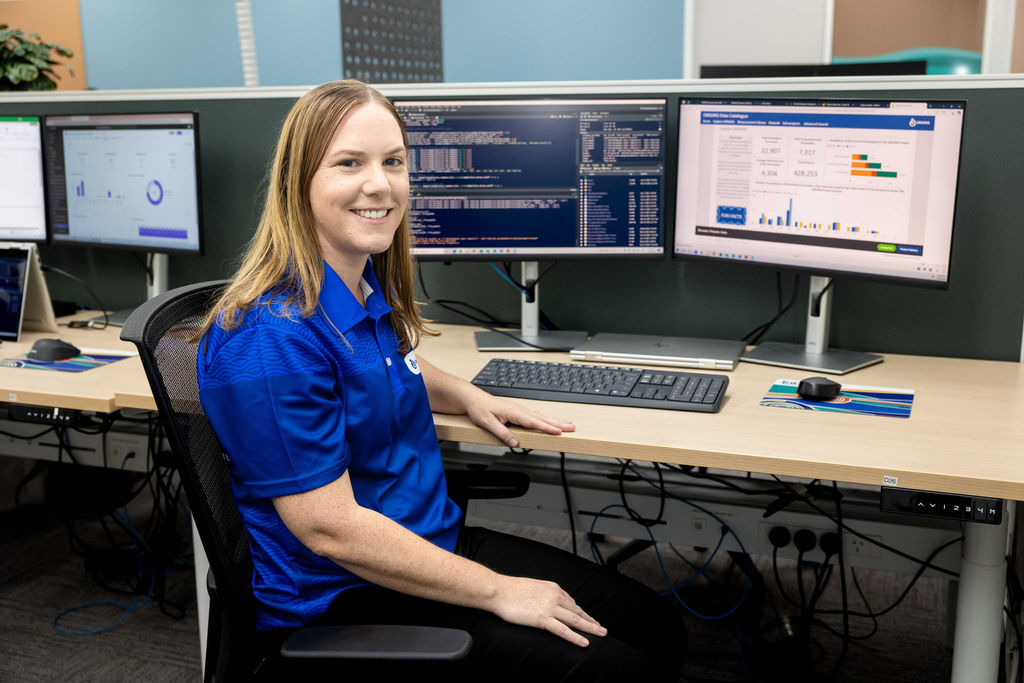
Accessing the ORIGINS cohort, database or biological samples involves a process of review and approval.
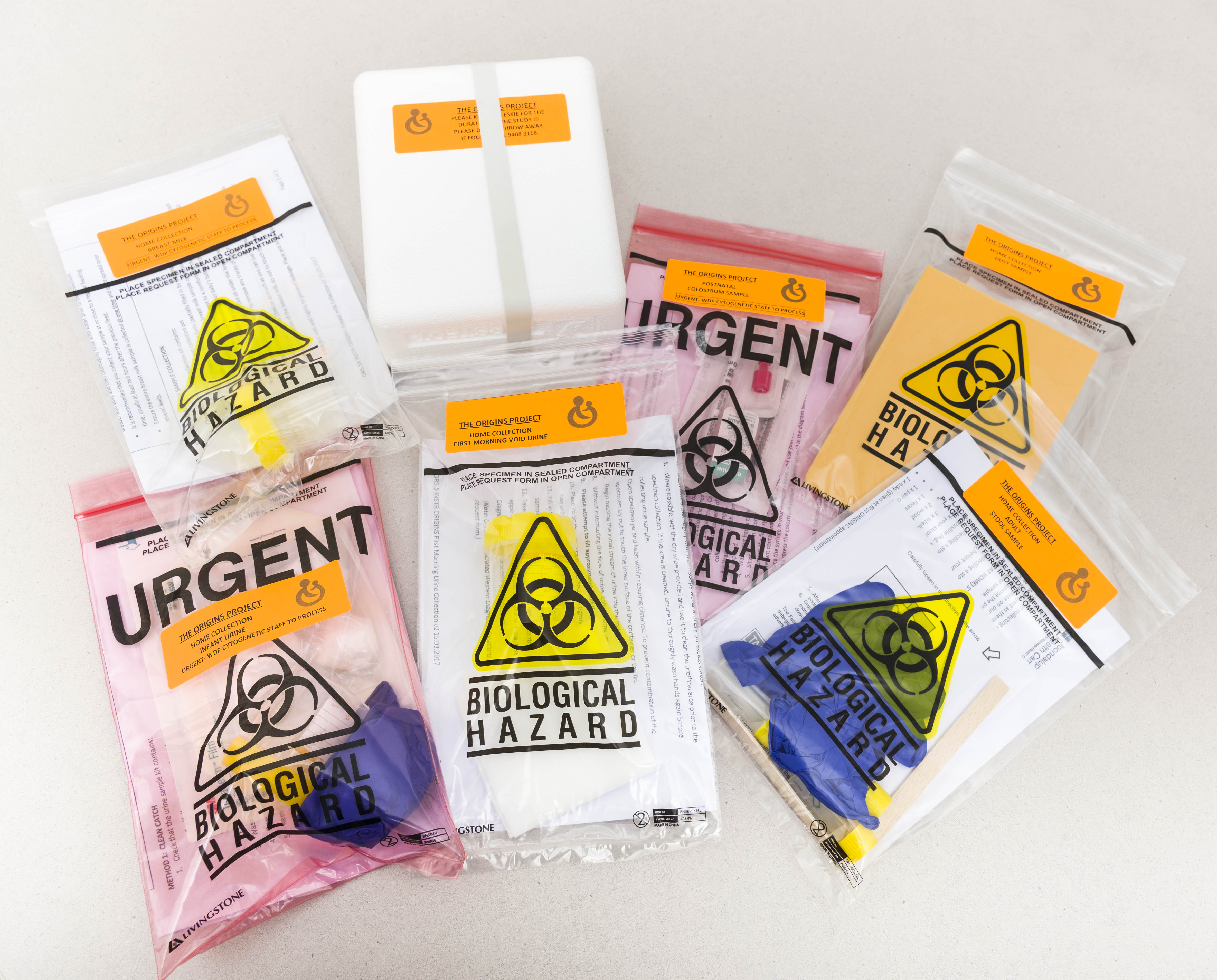
The ORIGINS Biobank is collecting biological samples from participant families at 10 timepoints between the time of pregnancy and the child turning five years of age.
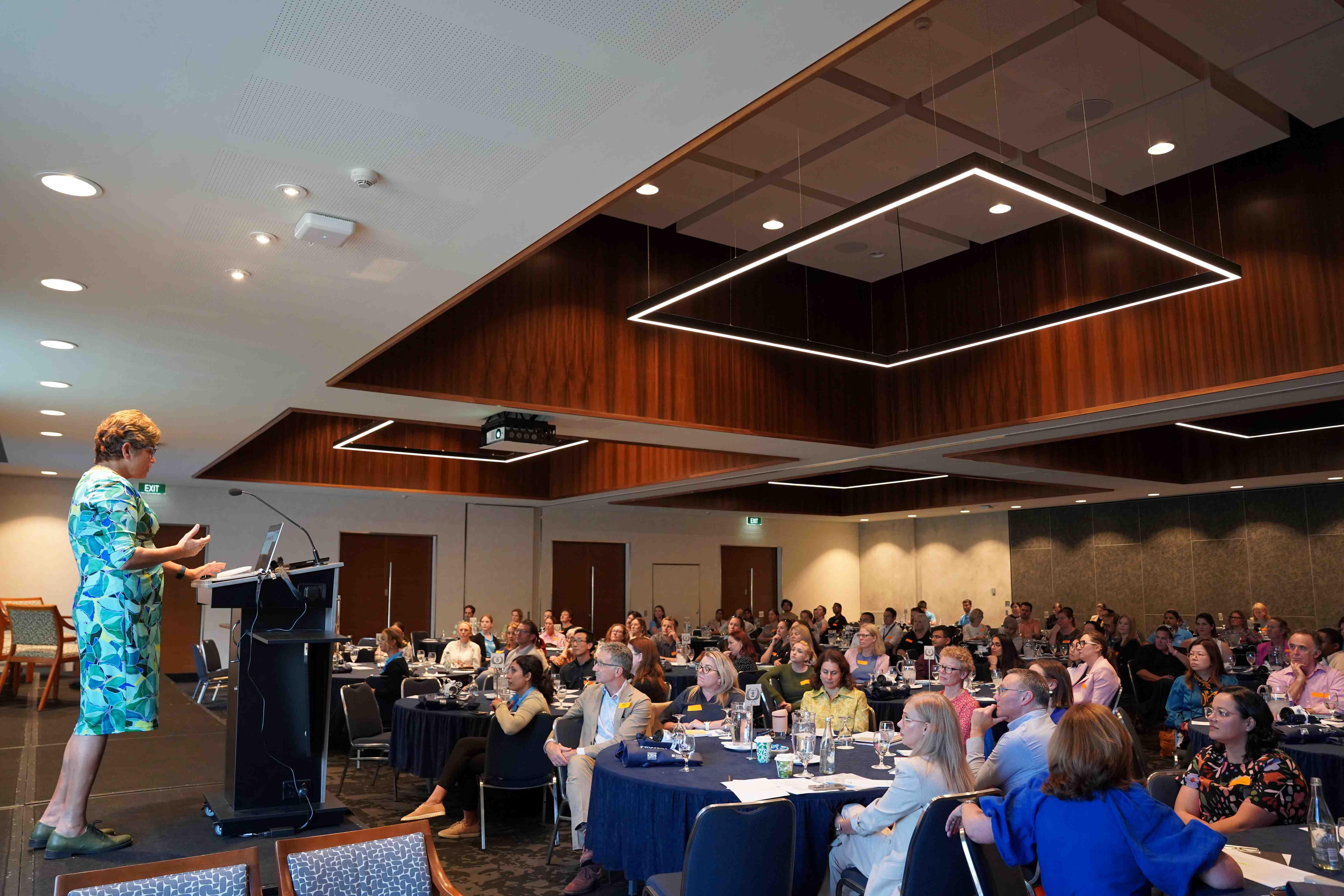
A list of organisations that currently collaborate with ORIGINS.
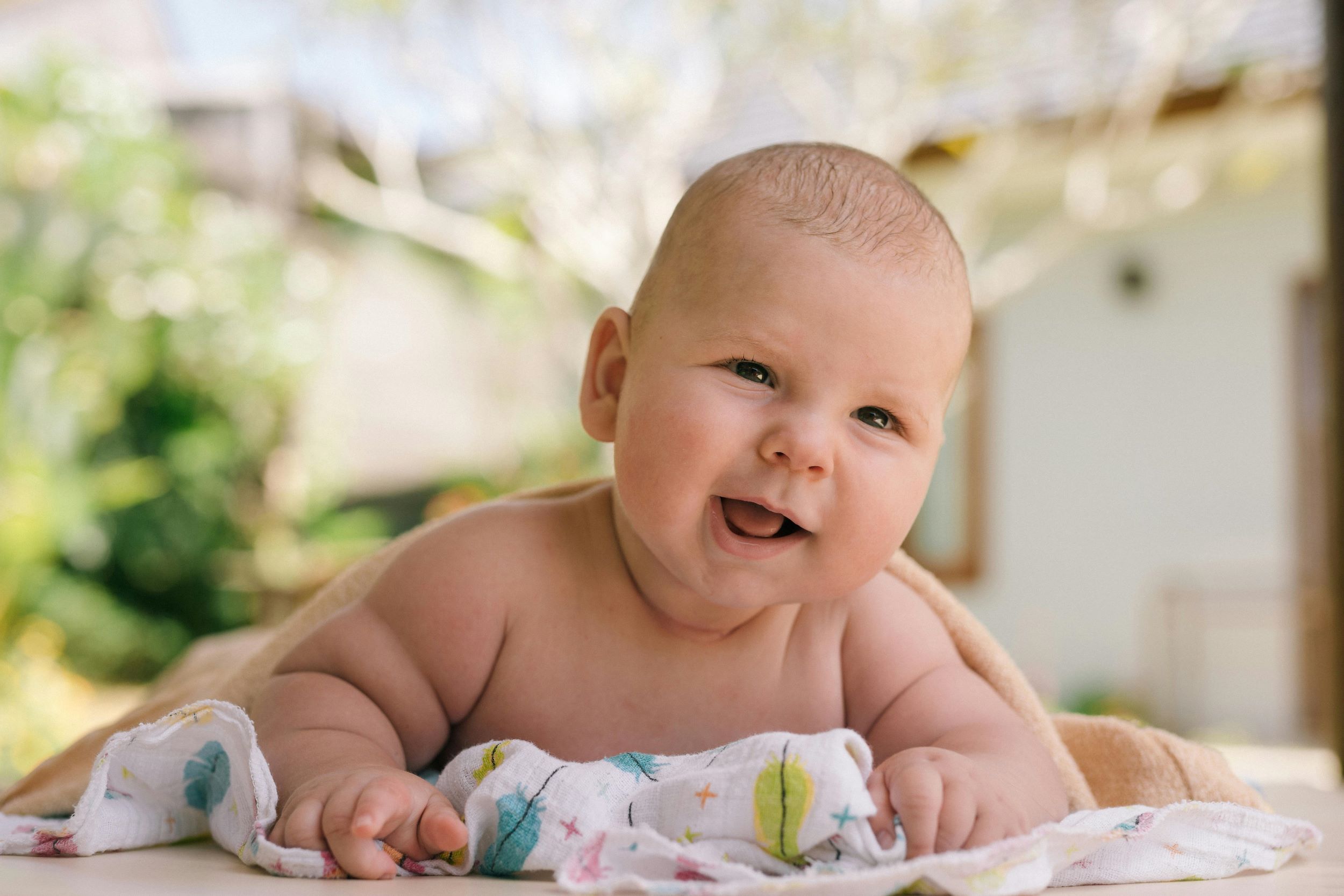
Determining the associations of sun exposure in early life on the development of non-communicable diseases.
ow Protein Kinase C zeta (PKCζ) levels in cord blood T cells (CBTC) have been shown to correlate with the development of allergic sensitization in childhood. However, little is known about the mechanisms responsible. We have examined the relationship between the expression of different levels of PKCζ in CBTC and their development into mature T cell cytokine producers that relate to allergy or anti‐allergy promoting cells.
Epidemiological studies have demonstrated that survivors of acute burn trauma are at long-term increased risk of developing a range of morbidities. The mechanisms underlying this increased risk remain unknown. This study aimed to determine whether burn injury leads to sustained immune dysfunction that may underpin long-term morbidity. Plasma and peripheral blood mononuclear cells were collected from 36 pediatric burn survivors >3 years after a non-severe burn injury (<10% total body surface area) and from age/sex-matched non-injured controls.
The ORIGINS Project (“ORIGINS”) is a longitudinal, population-level birth cohort with data and biosample collections that aim to facilitate research to reduce non-communicable diseases and encourage ‘a healthy start to life’. ORIGINS has gathered millions of datapoints and over 400,000 biosamples over 15 timepoints, antenatally through to five years of age, from mothers, non-birthing partners and the child, across four health and wellness domains.