
Search

Cystic fibrosis (CF) is the most common life‐shortening genetic disease affecting children.
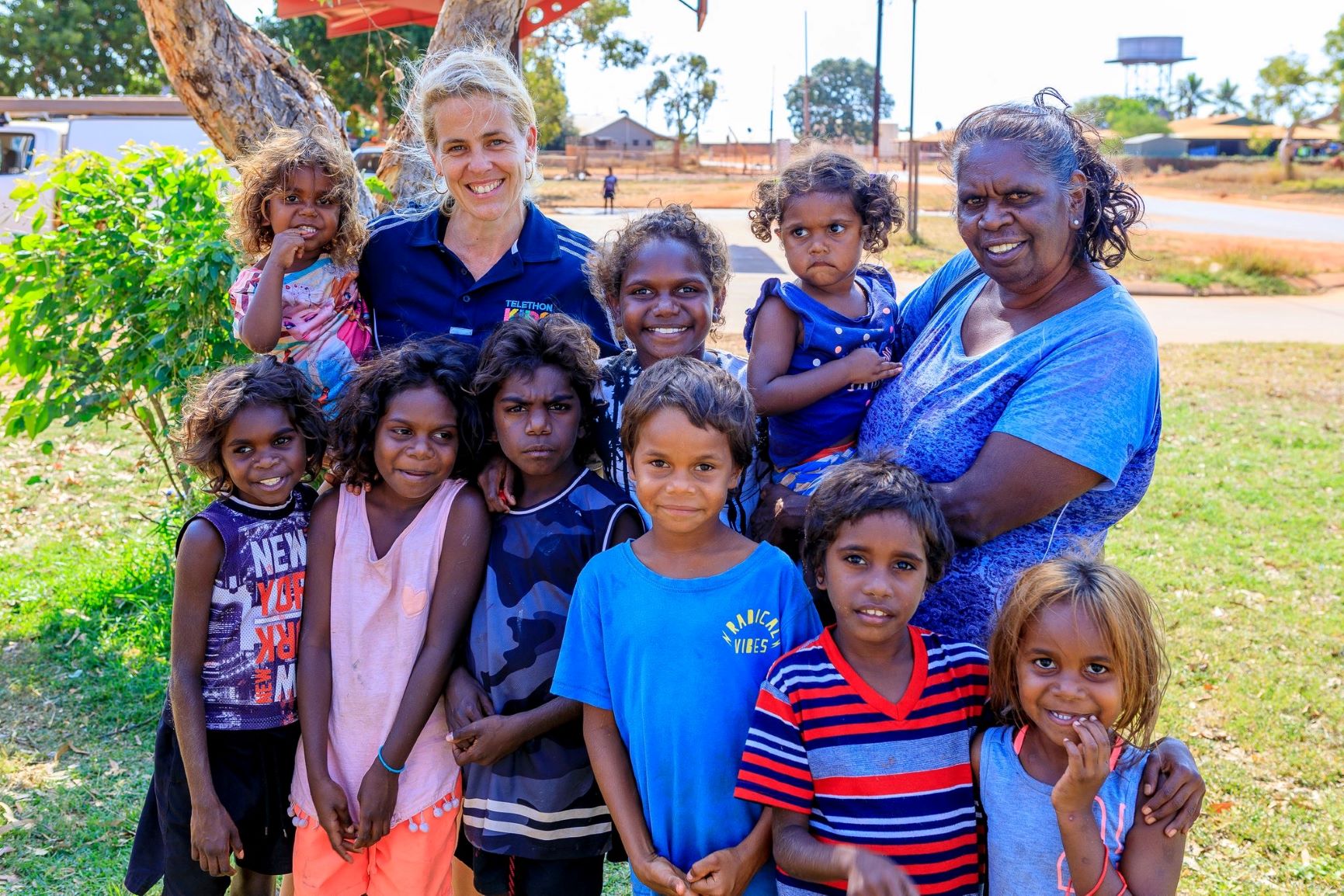
Respiratory illness accounts for 12% of the age-standardised gap in mortality between Indigenous and non-Indigenous Australians.
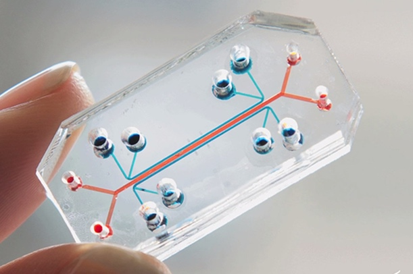
Respiratory disease is a global issue and international networks are critical to informing best-practice approaches to the clinical care and management of childhood respiratory health.
The Wal-yan Respiratory Research Centre is made up of multi-disciplinary teams that are committed to improving the lives of children and their families living with respiratory disease.

ORIGINS is fortunate to have a small passionate and dedicated group of longstanding volunteers.
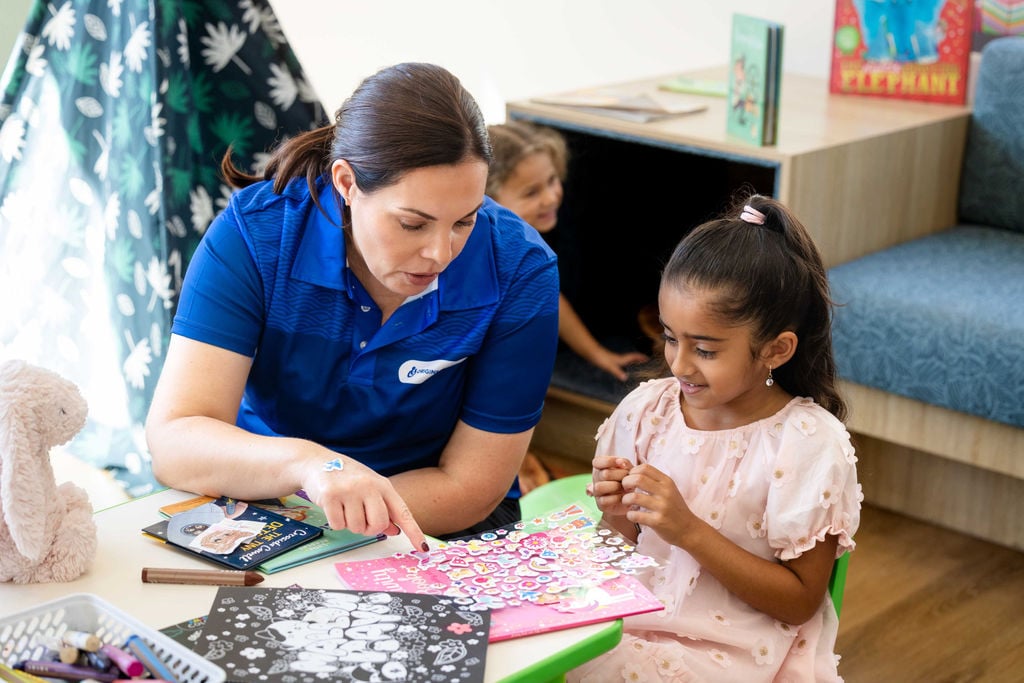
Information about the sub-project implementation process at ORIGINS

ORIGINS welcomes undergraduate, Honours, PhD, Masters, and Doctor of Medicine students, in addition to junior doctors or trainees wishing to undertake a research placement or project as part of their studies.
Diet and physical activity are two lifestyle behaviours that are critical for healthy ageing. The aim of this study was to explore how older adults negotiate dietary and physical activity decisions to identify areas of intersection between these two behaviours and inform health promotion interventions targeting both diet and exercise.
Early onset Non-Communicable Diseases (NCDs), including obesity, allergies, and mental ill-health in childhood, present a serious and increasing threat to lifelong health and longevity. The ORIGINS Project (ORIGINS) addresses the urgent need for multidisciplinary efforts to understand the detrimental multisystem impacts of modern environments using well-curated large-scale longitudinal biological sample collections.
Sugar-sweetened beverages (SSBs) account for a significant proportion of sugar in the diet of children and are directly associated with obesity in this group. While there have been many studies on adolescent SSB consumption, few studies have examined the predictors of SSB consumption in primary-school-aged children. The aim of this study was to understand the degree to which a child's consumption across a range of beverages is influenced by their own attitudes and by their parents' attitudes and parents' consumption behaviours.