
Search
We’ve heard from families that trustworthy information about preterm-associated lung disease is difficult to find. In response, we’ve created resources to empower families with the knowledge they need to manage these challenges.
This project investigates how different populations of cells within the respiratory tract immune system are altered during a viral infection.
Researchers developing a world-first treatment that targets an underlying cause of asthma have secured a $499,640 grant from the Future Health, Research and Innovation Fund – Innovation Seed Fund.

Children who live in the outer suburbs of Australia’s four biggest cities are twice as likely to have asthma as those living in inner city areas, according to a new study based on health data captured in the last Australian Census.
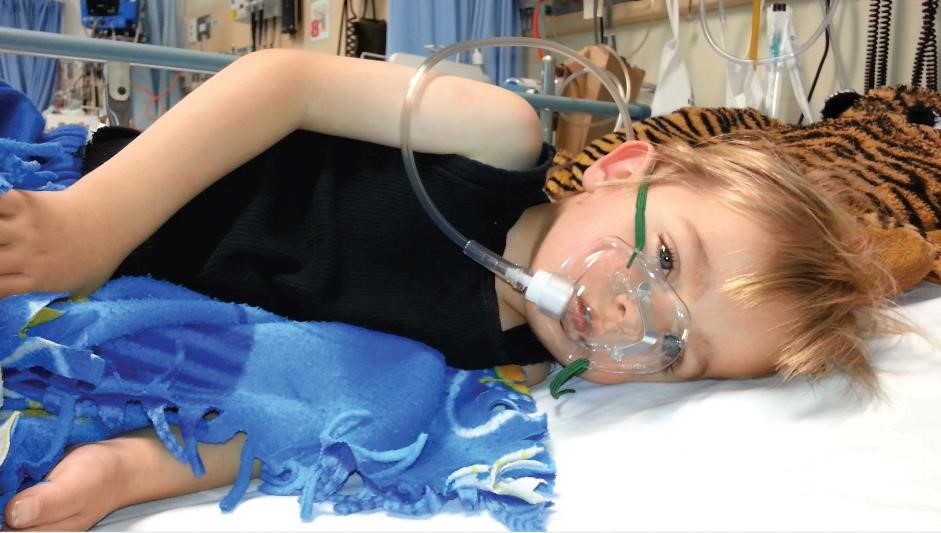
An ambitious project that could stop children developing asthma is the centrepiece of a new world-class respiratory research centre launched in Perth.
A lung function study carried out by Dr Shannon Simpson provided the most comprehensive follow-up of very pre-term children of any study so far carried out on the lung health of this vulnerable group.
Once upon a time it was infectious diseases like polio, measles or tuberculosis that most worried parents. With these threats now largely under control, parents face a new challenge – sky-rocketing rates of non-infectious diseases such as asthma, allergies and autism.
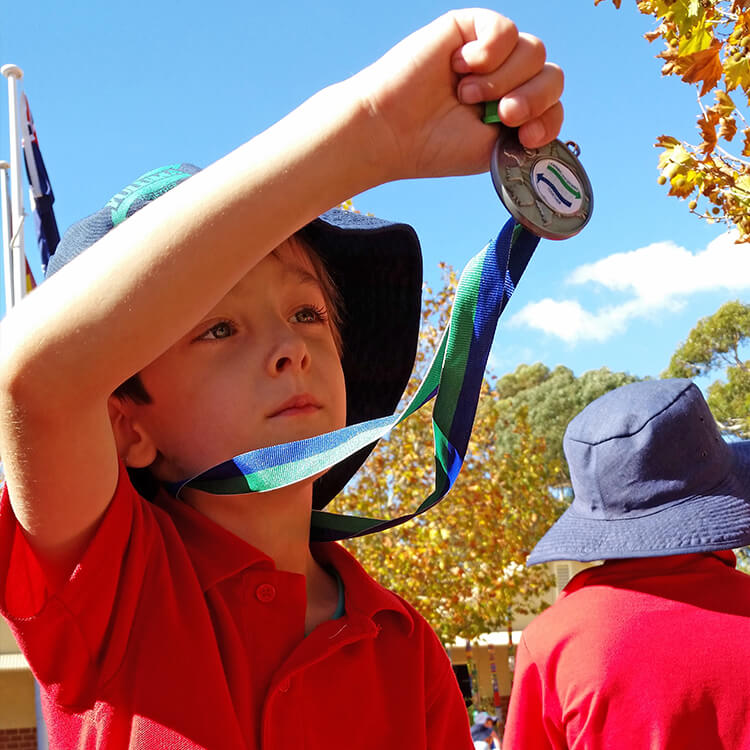
Two years on, Michelle and Dartanyon’s health and quality of life have significantly improved. We caught up with Michelle to hear about their journey since we first met them.
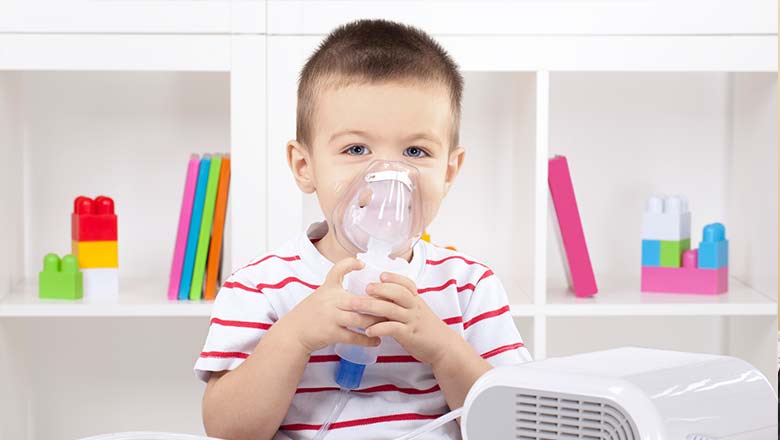
Telethon Kids Institute and the PMH Anaesthesia Research Team will work to improve the safety for young children with asthma undergoing general anaesthesia.

Wadjuk Nyungar man Walter McGuire talks about the importance of air quality to our health.