
Search
Parenting is a rewarding experience but is not without its challenges. Parents of Autistic children face additional challenges, and as a result can experience lower levels of wellbeing and more mental health problems (i.e., depression, anxiety, stress). Previous studies have identified concurrent correlates of wellbeing and mental health.
Despite the various traumatic events that a young person living with type 1 diabetes (T1D) may experience, little is known about the burden and manifestation of traumatic stress in this population. Though mental health outcomes have been explored generally, medical trauma-sensitive approaches to understanding these experiences remain limited. We utilised a qualitative descriptive approach to explore the impact of T1D on young people’s mental health through the paediatric medical traumatic stress model.
Stigma and self-stigma reduce self-esteem and increase hopelessness and suicidality. While psychotic disorders are widely recognized as the most stigmatizing of all mental health disorders, there is a dearth of research investigating how stigma and self-stigma are experienced by young people at ultra-high risk (UHR) for psychosis.
Type 1 Diabetes (T1D) is a 'family illness'; diagnoses and management can be perceived as invasive or traumatic. Caregivers bear the brunt of the diagnostic shock, influencing their child's experience. Children and adolescents may grapple with the psychological effects of past/ongoing medical trauma. Additionally, adolescents may struggle with their mental health as they navigate tensions between caregiver involvement and their developmental need for autonomy.
Approximately 8% of all children experience developmental and mental health conditions. Similarities in characteristics across neurodevelopmental conditions-such as difficulties in communication and language, social interaction, motor coordination, attention, activity regulation, behavior, mood, and sleep-make it challenging to attribute these characteristics exclusively to specific diagnoses and assessments. The purpose of this study was to identify symptomatic domains across neurodevelopmental conditions in children and to explore dimension reduction for transdiagnostic assessment.
Autism genetics has historically attracted a substantial proportion of autism research funding internationally. However, more recently, several controversies centered on ethical conduct and lack of community consultation have emerged. This has triggered Autistic-led protests for the functional and meaningful inclusion of Autistic voices in the research design.
Globally, Indigenous people have a greater incidence and earlier onset of diabetes than the general population and have higher documented rates of emotional distress and mental illness. This systematic review will provide a synthesis and critical appraisal of the evidence focused on the social and emotional well-being of Indigenous peoples living with diabetes, including prevalence, impact, moderators, and the efficacy of interventions.

The Healing Kids, Healing Families team strives to understand how trauma and adverse circumstances can impact a child and their family, and how we can help them to recover from these experiences.
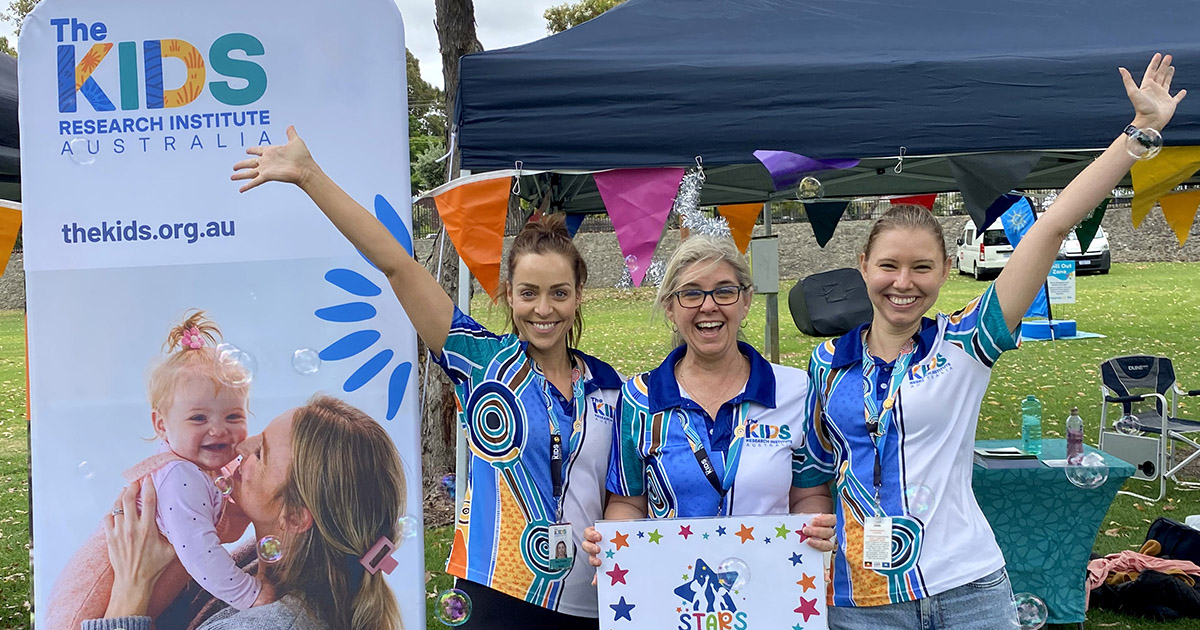
STARS for Kids, a sub-project of ORIGINS, received a three-year grant to advance the development of a scalable, online, tiered model of care to better support disadvantaged communities, where 20-25 per cent of children are entering school developmentally vulnerable.
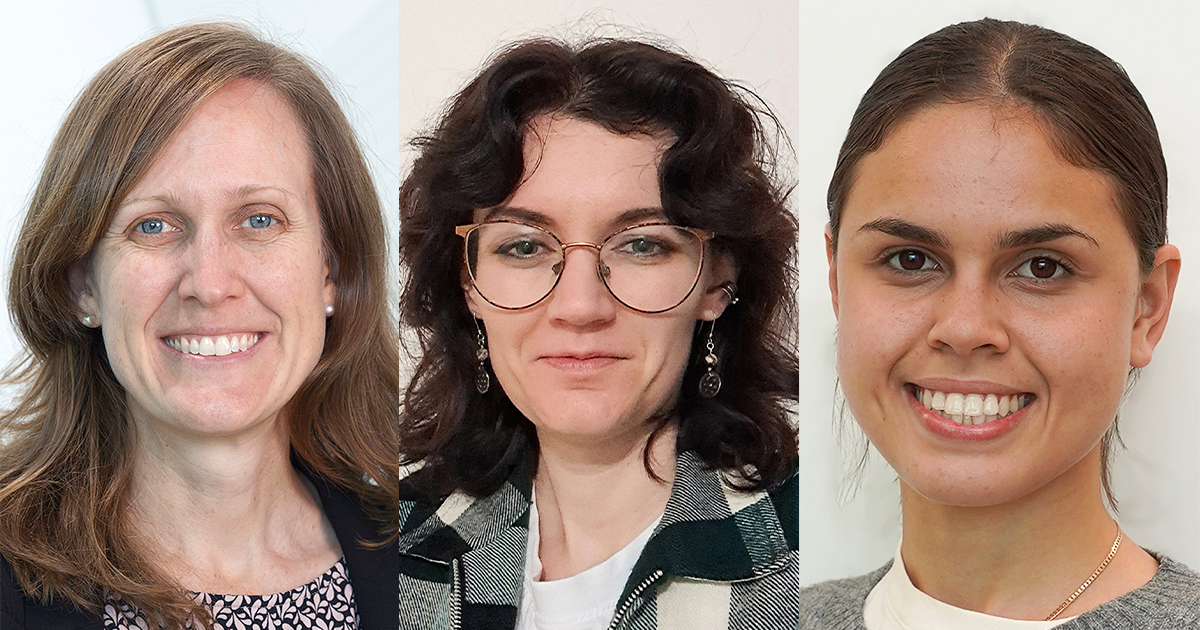
Three researchers from The Kids Research Institute Australia were recognised as being among Western Australia’s brightest and most innovative scientific minds at last night’s 24th Premier's Science Awards.