
Search
Coronavirus disease 2019 (COVID-19) is caused by severe acute respiratory syndrome coronavirus 2 (SARS-CoV-2) and has many similarities to severe acute respiratory syndrome (SARS) and Middle East respiratory syndrome (MERS). While reported morbidity and mortality from COVID-19 are lower than from SARS and MERS, many health care workers have been infected (up to 15% of health care workers in Victoria).
The COVID-19 pandemic introduced challenges to everyone in society but particularly so to every aspect of medical practice. It is bewildering how quickly the profession has had to respond to rapidly changing clinical landscape. Our well-established methods involve collecting and analyzing data to generate an evidence base which is then disseminated and implemented into routine clinical practice.
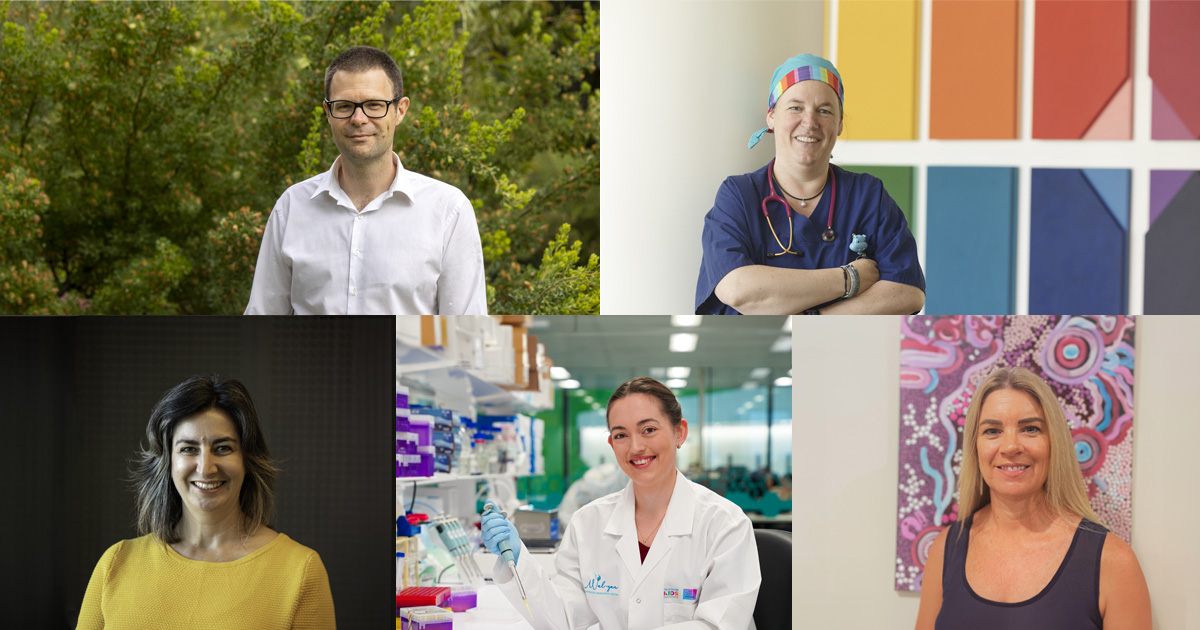
Five The Kids Research Institute Australia researchers working across diverse and highly impactful areas of child health research have been named as finalists for the 2023 Premier’s Science Awards.
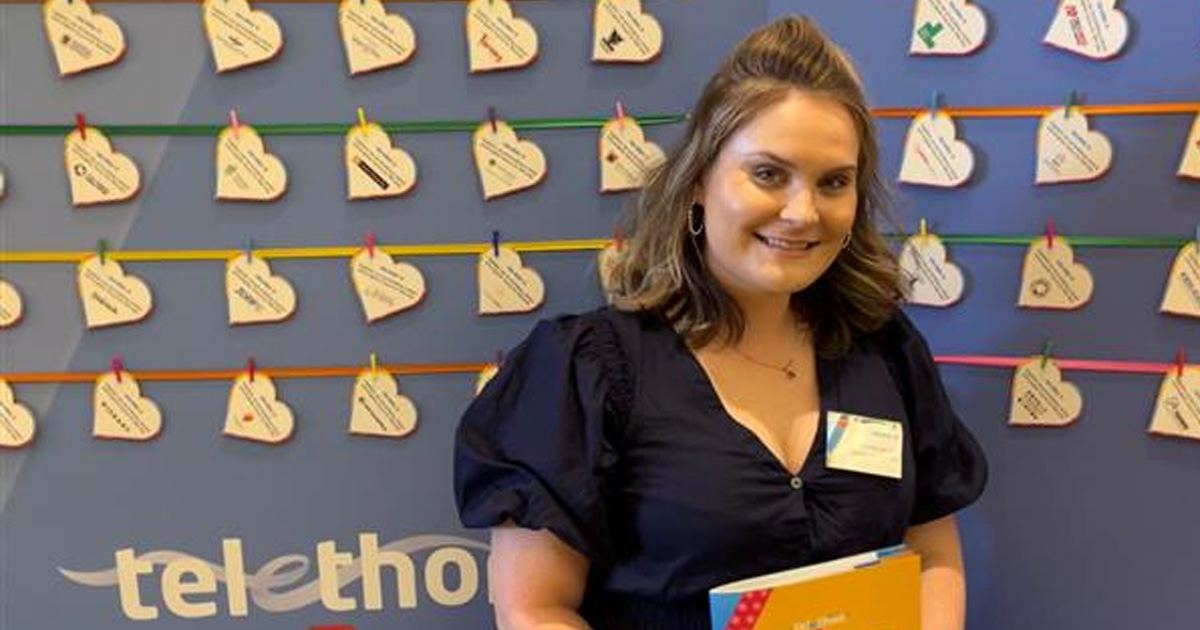
The generous support of West Australians through Channel 7’s Telethon Trust will help support vital child health research at The Kids Research Institute Australia in 2023.
Britta Regli-von Ungern-Sternberg AM FAHMS MD, PhD, DEAA, FANZA Chair of Paediatric anaesthesia, University of Western Australia; Consultant
Head-mounted devices (HMDs) have been explored in anaesthesia education for their unique ability to have head-tracked immersive simulations adaptable to diverse clinical scenarios. This scoping review examines how HMD-based augmented or virtual reality enhances anaesthetic skill learning in clinicians, trainees, and students.
Critical Events in Anaesthetised Kids undergoing Tracheal Intubation (CRICKET) is a prospective, international multicentre observational study with the objective of capturing, assessing, and analysing critical events associated with tracheal intubation in children.
Sometimes, there is an urgent need to administer inhaled adrenaline to children, awake, sedated or anaesthetised to treat asthma, bronchospasm, croup, and suspected laryngeal/pharyngeal oedema or stridor, which can become severe or even life-threatening. To better inform emergency dosing and administration guidelines, we aimed to quantify the amount of adrenaline delivered for inhalation from a nebuliser, in a simulated experimental delivery set-up for spontaneously breathing children and adults, either via an anaesthetic face mask, a Laryngeal Mask Airway or an Endotracheal tube.
Although clinical trials are fundamental to advancing evidence-based practice, significant heterogeneity in outcome reporting poses a considerable challenge to the validity of systematic reviews. This inconsistency impedes the ability to compare, synthesise and interpret research findings effectively. In the field of paediatric airway management, this issue is particularly relevant because of the low incidence of critical events and the related high morbidity and mortality. The issue of inadequate and variable outcome reporting in clinical trials has been widely acknowledged, necessitating initiatives to enhance the quality of future research.
The administration of inhaled antibiotics to patients with upper or lower respiratory infections is sometimes conducted via a tracheostomy airway. However, precise dosing via this route remains uncertain, especially in spontaneously breathing paediatric patients.