
Search
A Northern Territory-based research project investigating alternative and more practical treatments for skin sores (impetigo) benefiting children worldwide.

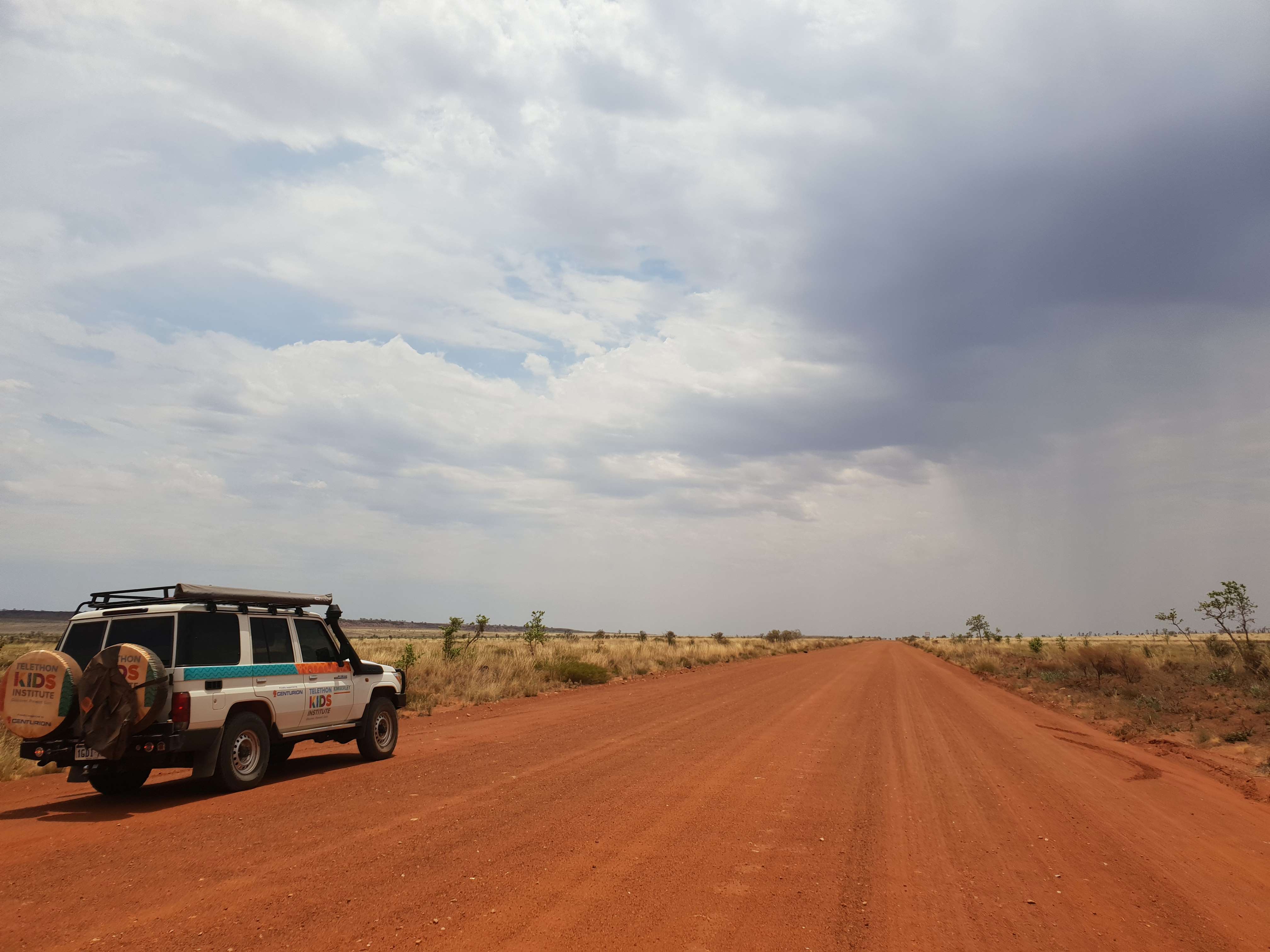
Families living in remote Kimberley communities are paying up to twice as much for everyday items needed to support healthy living, according to new research led by The Kids Research Institute Australia.

Three researchers from The Kids Research Institute Australia were recognised as being among Western Australia’s brightest and most innovative scientific minds at last night’s 24th Premier's Science Awards.
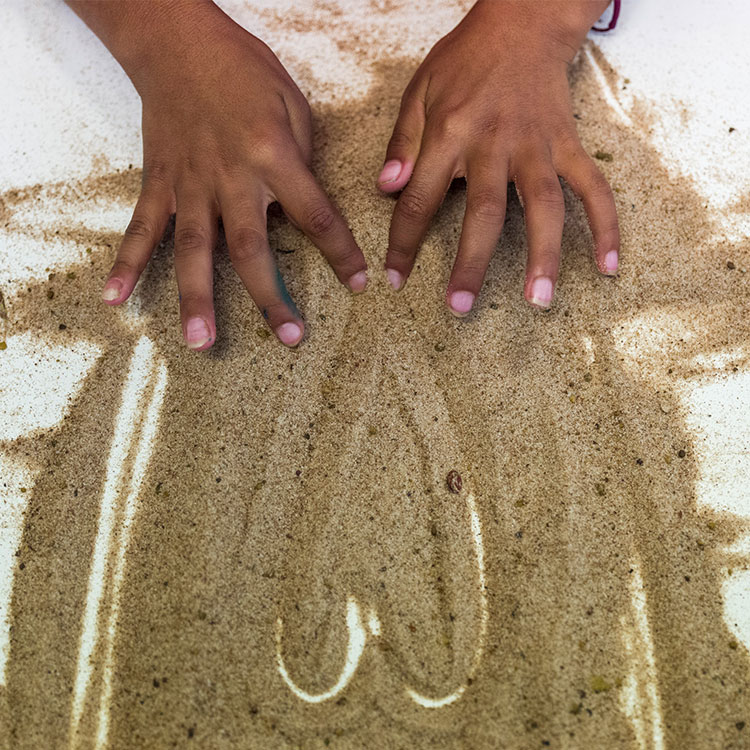
Led by The Kids Research Institute Australia and Aboriginal health organisations in close partnership with nine Aboriginal communities in Western Australia’s Kimberley region, the five-year SToP Trial set out to identify the best possible methods to See, Treat and Prevent painful skin sores and scabies.

A children’s book – written by community, for community – has been launched in Western Australia’s south-west to help children and families understand more about one of the most common inflammatory skin conditions in children.

The Deborah Lehmann Research Award in Paediatric Infectious Disease Research is a funding mechanism to support the training and development of early- to mid-career researchers (EMCR) or Higher Degree by Research (HDR) students who are nationals from the Pacific Region working in or outside their hom
Head lice is an ectoparasitic skin infection commonly seen in primary school-aged children. In remote Australia, where rates of other skin infections and downstream sequelae are endemic, the rate of head lice infestation is unknown.
From 1 January 2020 to 31 December 2021, thirty-eight institutions across Australia submitted data to the Australian Group on Antimicrobial Resistance (AGAR) from patients aged < 18 years (AGAR-Kids). Over the two years, 1,679 isolates were reported from 1,611 patients. This AGAR-Kids report aims to describe the population of children and adolescents with bacteraemia reported to AGAR and the proportion of resistant isolates.
Scabies infection is associated with heightened total IgE immunoglobulin and IgE antibodies to scabies antigens, with both being extremely high for crusted scabies patients. The IgE antibodies cross-react with house dust mite allergens with high reactivity found to the minor allergen arginine kinase.
Life-threatening invasive infections caused by Streptococcus pyogenes and Streptococcus dysgalactiae subsp. equisimilis (SDSE) are unpredictable, frequently fatal, and are increasing in incidence globally. In the absence of evidence from randomized controlled trials (RCTs), clinical management for these conditions varies. Understanding current management approaches and areas of clinical equipoise will inform planning of feasible high-impact RCTs.