
Search

Six researchers from The Kids Research Institute Australia have been awarded $8.9 million in prestigious Investigator Grants from the National Health and Medical Research Council.
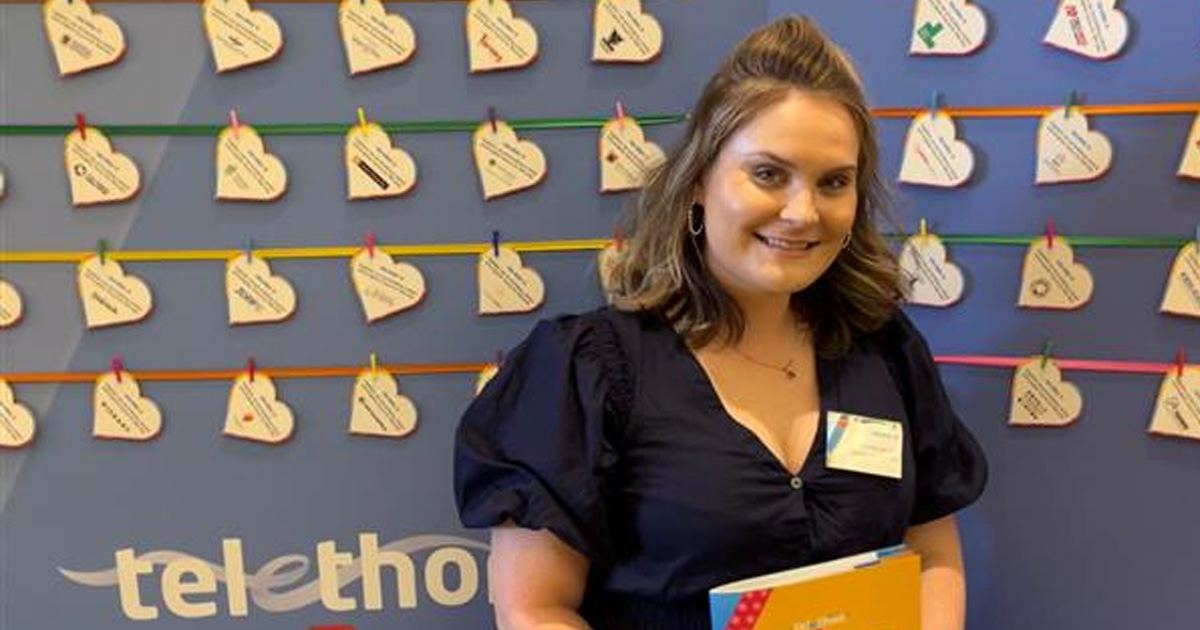
The generous support of West Australians through Channel 7’s Telethon Trust will help support vital child health research at The Kids Research Institute Australia in 2023.

A project, lead by Aboriginal and Aboriginal LGBTQA+ researchers examining the mental health of young Aboriginal and Torres Strait Islander LGBTQA+ people, is launching a nation-wide survey, to help drive meaningful change for the community.

Outstanding Aboriginal mental health researcher Professor Juli Coffin has taken out top honours at the 2021 Western Australian Mental Health Awards in recognition of her ground-breaking work to enhance Aboriginal social and emotional wellbeing.
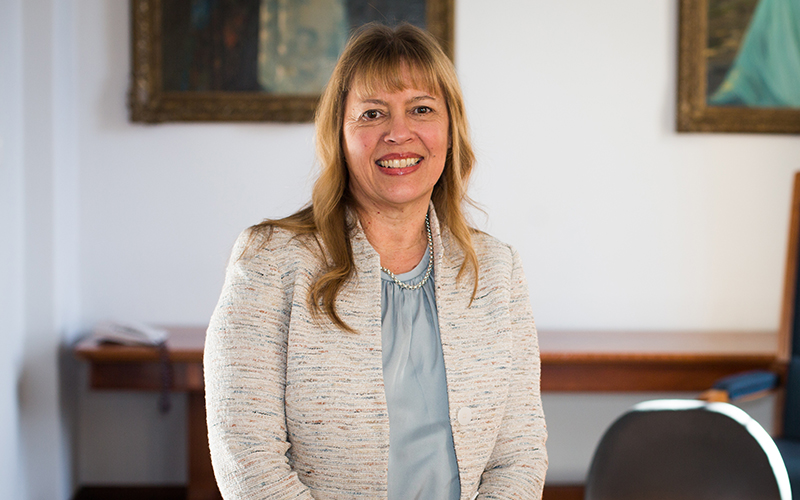
Congratulations to trailblazing mental health researcher Professor Helen Milroy, who has been announced as a finalist for the 2021 Human Rights Medal.
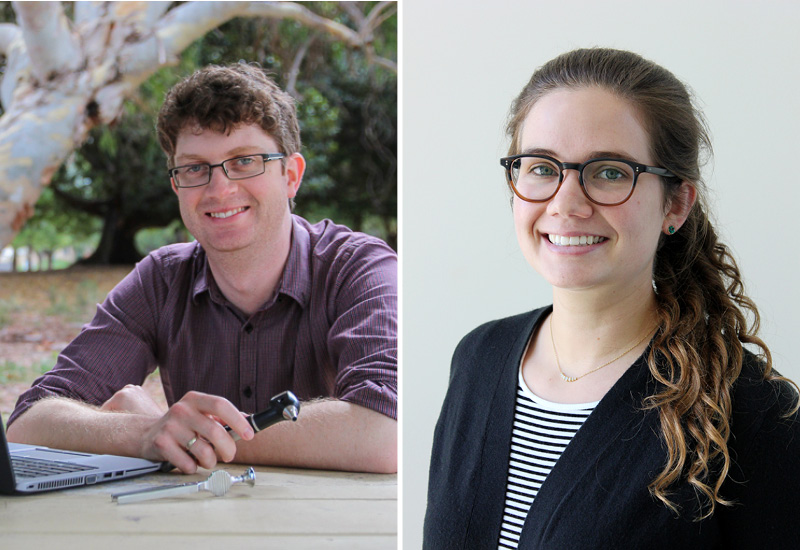
Two The Kids Research Institute Australia researchers have been named as finalists in the 2020 Western Australian Premier’s Science Awards.
There is a lack of digital gatekeeper resources developed for parents to assist them in recognising and responding to mental health problems in their children and adolescents. We aimed to address this by exploring parents' mental health information needs, and to iteratively develop and design a resource incorporating their feedback.
University students face obstacles while pursuing their goals, and these challenges risk undermining their mental health. Goal flexibility has been identified as beneficial for promoting well-being and protecting mental health; however, the relationship between goal flexibility and mental health challenges remains underexplored.
With young adults' rates of mental health problems alarmingly high, understanding resilience characteristics that help young people adapt, adjust, and even thrive in the face of stress is a pressing need. This study takes a daily diary approach, examining four resilience factors, measured a priori, covering multiple domains. Young adults' daily stress responses (reactivity, recovery, inertia) during the globally stressful lockdown period three years later were then explored as key outcomes.
Climate change is both an environmental crisis and a growing source of psychological distress for young people, calling for responses that nurture emotional resilience and collective engagement. The emerging response to climate distress has mainly focused on formal psychological and individual-level interventions.