
Search
The global population has been severely affected by the coronavirus disease 2019 (COVID-19) pandemic, however, with older age identified as a risk factor, children have been underprioritized. This article discusses the factors contributing to the less severe response observed in children following infection with severe acute respiratory syndrome coronavirus 2 (SARS-CoV-2), including, differing viral entry receptor expression and immune responses.
Regular intramuscular (i.m.) benzathine penicillin G (BPG) injections have been the cornerstone of rheumatic heart disease (RHD) secondary prophylaxis since the 1950s. Patient adherence to IM BPG is poor, largely due to pain, the need for regular injections every 3-4 weeks and health sector delivery challenges in resource-limited settings. There is an urgent need for new approaches for secondary prophylaxis, such as an implant which could provide sustained penicillin concentrations for more than 6 months.
Respiratory syncytial virus contributes to significant global infant morbidity and mortality. We applied a previously developed statistical prediction model incorporating pre-pandemic RSV testing data and hospital admission data to estimate infant RSV-hospitalizations by birth month and prematurity, focused on infants aged <1 year.
The COVID-19 pandemic is the first major pandemic of the digital age and has been characterised by unprecedented public consumption of spatial and temporal disease data, which can enable greater transparency and accountability of governments to the public for their public health decisions.
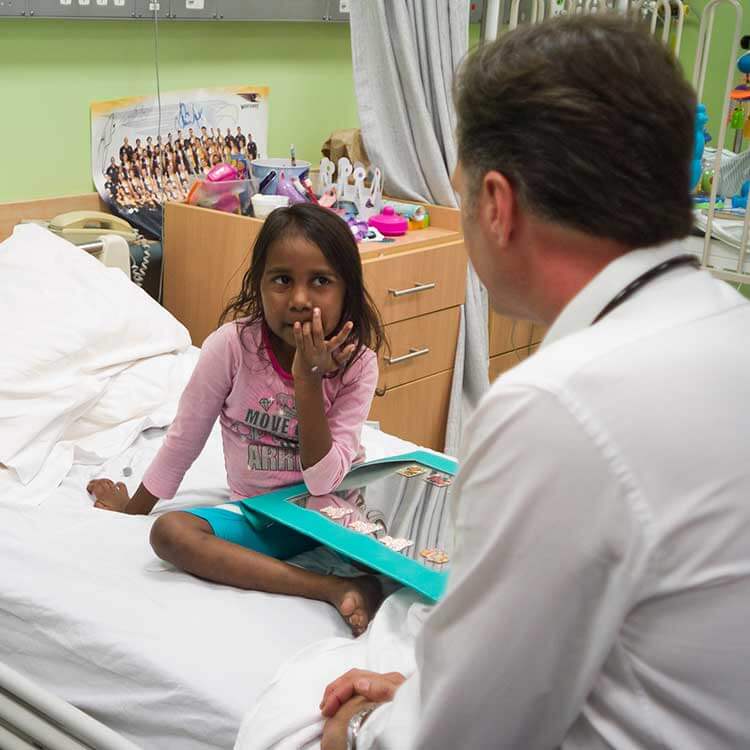
Some of the nation’s leading medical researchers will converge on Darwin this week to step out a plan to wipe out rheumatic heart disease.
Bacteraemia is associated with significant morbidity and mortality in children and adults, more frequently affecting neonates, Indigenous children and children admitted to hospital.
Hannah Peter Moore Richmond OAM BSc (Hons) GradDipClinEpi PhD MBBS MRCP(UK) FRACP Head, Infectious Diseases Research Head, Vaccine Trials Group 08
Christopher Blyth MBBS (Hons) DCH FRACP FRCPA PhD Centre Head, Wesfarmers Centre of Vaccines and Infectious Diseases; Co-Head, Infectious Diseases
Christopher Hannah Lea-Ann Blyth Moore Kirkham MBBS (Hons) DCH FRACP FRCPA PhD OAM BSc (Hons) GradDipClinEpi PhD PhD Centre Head, Wesfarmers Centre
Pregnant women are 3 times more likely to die from COVID-19 and over 7 times more likely to be admitted to an intensive care unit with influenza compared to non-pregnant women.