
Search

Head, Infectious Disease Implementation Research
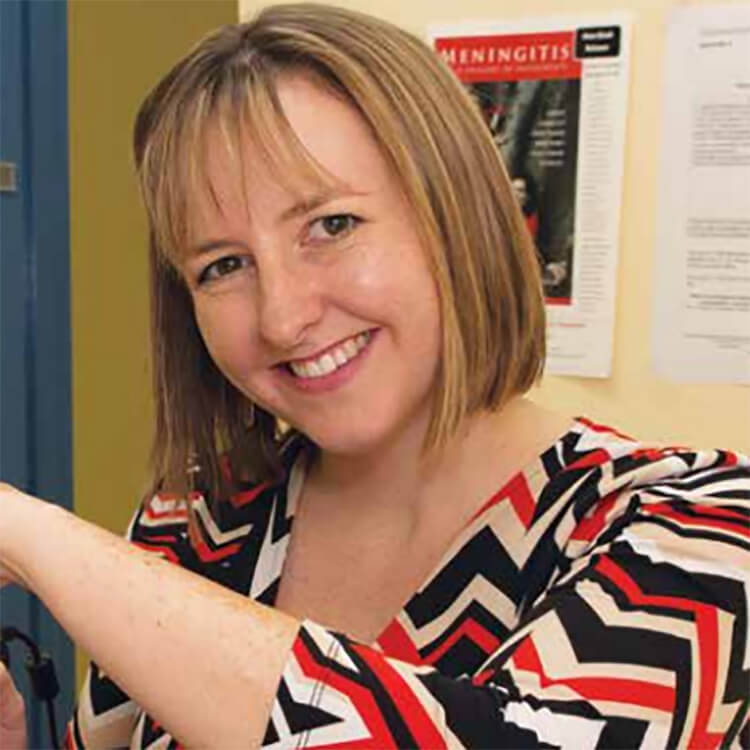
Co-head, Bacterial Respiratory Infectious Disease Group (BRIDG)
Tom Snelling BMBS DTMH GDipClinEpid PhD FRACP Head, Infectious Disease Implementation Research 08 6319 1817 tom.snelling@thekids.org.au Head,
An innovative response-adaptive approach to driving improvements in health outcomes, applied to cystic fibrosis.
Tom Snelling BMBS DTMH GDipClinEpid PhD FRACP Head, Infectious Disease Implementation Research 08 6319 1817 tom.snelling@thekids.org.au Head,
Tom Snelling BMBS DTMH GDipClinEpid PhD FRACP Head, Infectious Disease Implementation Research 08 6319 1817 tom.snelling@thekids.org.au Head,
Tom Snelling BMBS DTMH GDipClinEpid PhD FRACP Head, Infectious Disease Implementation Research 08 6319 1817 tom.snelling@thekids.org.au Head,
Asha Christopher Tom Bowen Blyth Snelling BA MBBS DCH FRACP PhD GAICD FAHMS OAM MBBS (Hons) DCH FRACP FRCPA PhD BMBS DTMH GDipClinEpid PhD FRACP Head
Tom Snelling BMBS DTMH GDipClinEpid PhD FRACP Head, Infectious Disease Implementation Research 08 6319 1817 tom.snelling@thekids.org.au Head,
Tom Snelling BMBS DTMH GDipClinEpid PhD FRACP Head, Infectious Disease Implementation Research 08 6319 1817 tom.snelling@thekids.org.au Head,