
Search
Longevity and disease-free survival are influenced by a combination of genetics and lifestyle. Biological age (BioAge), a measure of aging based on composite biomarkers, may outperform chronological age in predicting health and longevity. This study investigated the relationship between genetic risks, lifestyle factors, and delta age (Δage), estimated as the difference between biological and chronological age.
Aneuploidies, and in particular, trisomies represent the most common genetic aberrations observed in human genetics today. To explore the presence of trisomies in historic and prehistoric populations we screen nearly 10,000 ancient human individuals for the presence of three copies of any of the target autosomes. We find clear genetic evidence for six cases of trisomy 21 (Down syndrome) and one case of trisomy 18 (Edwards syndrome), and all cases are present in infant or perinatal burials.
In comparisons between mutant and wild-type genotypes, transcriptome analysis can reveal the direct impacts of a mutation, together with the homeostatic responses of the biological system. Recent studies have highlighted that, when the effects of homozygosity for recessive mutations are studied in non-isogenic backgrounds, genes located proximal to the mutation on the same chromosome often appear over-represented among those genes identified as differentially expressed.
Genomic sequencing in congenital heart disease (CHD) patients often discovers novel genetic variants, which are classified as variants of uncertain significance (VUS). Functional analysis of each VUS is required in specialised laboratories, to determine whether the VUS is disease causative or not, leading to lengthy diagnostic delays.
Pediatric patients with recurrent and refractory cancers are in most need for new treatments. This study developed patient-derived-xenograft (PDX) models within the European MAPPYACTS cancer precision medicine trial.
The ability to balance conflicting functional demands is critical for ensuring organismal survival. The transcription and repair of the mitochondrial genome requires separate enzymatic activities that can sterically compete, suggesting a life-long trade-off between these two processes.
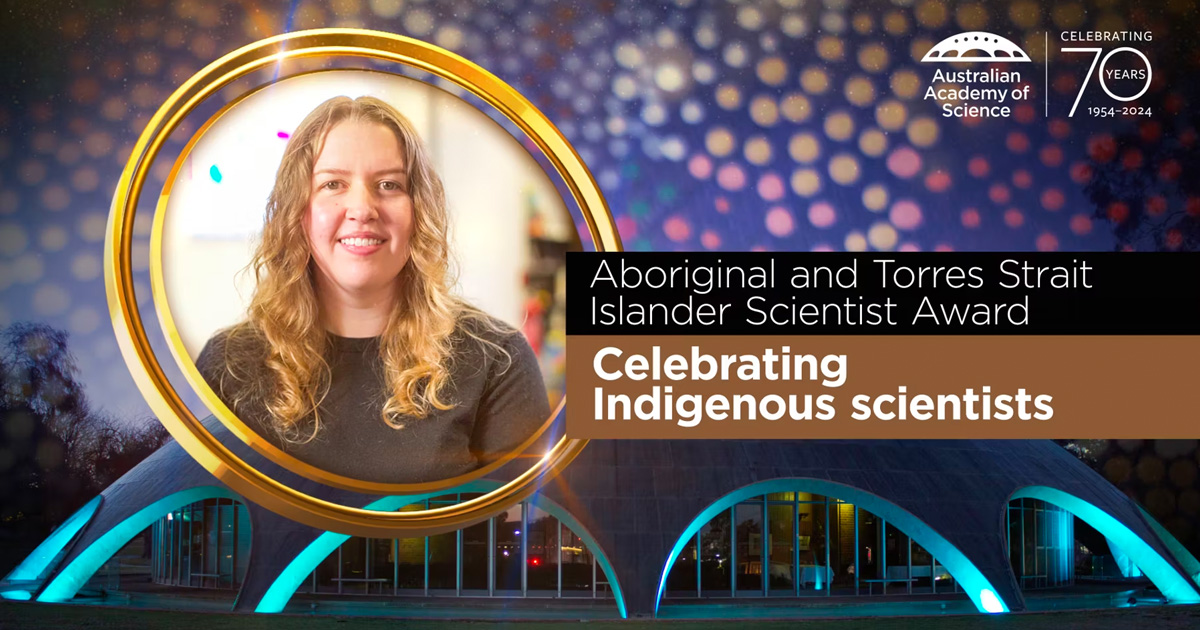
Congratulations to Indigenous genomics researcher Dr Justine Clark, who is one of two scientists nationally to receive the Australian Academy of Science’s 2024 Aboriginal and Torres Strait Islander Science Award.
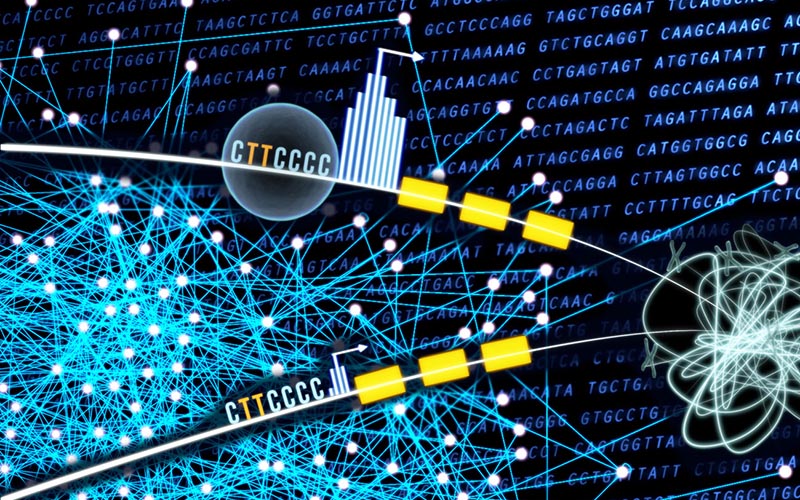
A researcher's work from 20 years ago has helped to crack one of biology’s biggest mysteries.

A The Kids Research Institute Australia researcher who is part of an international research project working to understand how our genes keep us healthy has been awarded an Au
Acute lymphoblastic leukaemia is a highly heterogeneous malignancy characterised by various genomic alterations that influence disease progression and therapeutic outcomes. Gene fusions involving the immunoglobulin heavy chain gene represent a complex and diverse category.