
Search
Data on systemic and local reactions following receipt of TIV and dTpa during pregnancy support the safety of antenatal vaccination
The recent epidemics of pertussis (whooping cough) in parts of the USA and Australia have led to the largest numbers of annual cases reported in over half a...
Influenza diagnosis codes had high specificity (98.6%) and modest positive predictive value (PPV; 84.1%) and sensitivity (86.1%) for a laboratory-confirmed...
This is a protocol for a Cochrane Review (intervention). The objectives were to assess the efficacy and safety of whole‐cell pertussis (wP) vaccinations in comparison to acellular pertussis (aP) vaccinations in early infancy for the prevention of atopic diseases in children.
Following the introduction of jurisdictional maternal pertussis vaccination programs in Australia, we estimated maternal vaccine effectiveness (VE) and whether maternal pertussis vaccination modified the effectiveness of the first 3 primary doses of pertussis-containing vaccines.
This phase III study evaluated safety, tolerability, and immunogenicity of V114 (15-valent pneumococcal conjugate vaccine) in healthy infants. V114 contains all 13 serotypes in PCV13 and additional serotypes 22F and 33F.

A dose of the whooping cough vaccine might reduce cases of childhood food allergies according to latest research by the Wesfarmers Centre of Vaccines and Infectious Diseases based at The Kids Research Institute Australia.
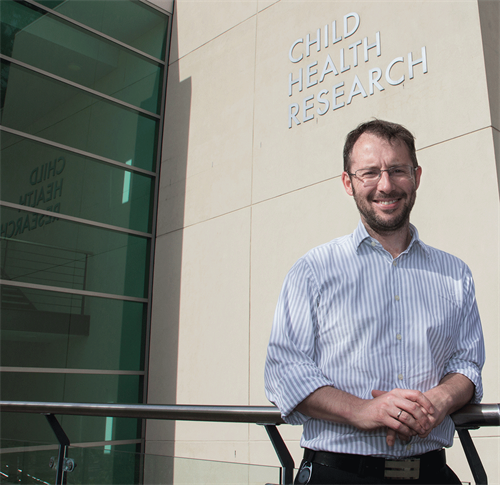
Researchers from The Kids Research Institute Australia and Curtin University will use a $3.9 million grant from the National Health and Medical Research Council to investigate whether a type of whooping cough vaccine could provide bonus protection against food allergies and eczema.
The Kids Research Institute Australia have welcomed the announcement by Health Minister Dr Kim Hames that whooping cough vaccination is to be provided free
Latest news & events at the Wesfarmers Centre of Vaccines & Infectious Diseases.