
Search
To examine follow-up outcomes at corrected postnatal age (cPNA) 2 years of preterm infants previously enrolled in an RCT and treated with IN-REC-SUR-E or IN-SUR-E in 35 tertiary neonatal intensive care units.
High-frequency oscillatory ventilation (HFOV) is an established mode of respiratory support in the neonatal intensive care unit. Large clinical trial data is based on first intention use in preterm infants with acute respiratory distress syndrome. Clinical practice has evolved from this narrow population. HFOV is most often reserved for term and preterm infants with severe, and often complex, respiratory failure not responding to conventional modalities of respiratory support.
We aimed to develop and validate a prediction table for a simplified measure of rightward shift of the fetal oxyhaemoglobin saturation (SpO2) versus inspired oxygen pressure (P IO2) curve as an objective marker of lung disease severity in very preterm infants, independent of unit altitude or oxygen prescribing policies.
Right shift of the peripheral oxyhaemoglobin saturation (SpO2) versus inspired oxygen pressure (PIO2) curve is a sensitive marker of pulmonary gas exchange. The aim of this study was to assess the impact of prematurity and bronchopulmonary dysplasia (BPD) on gas exchange and right-to-left shunt in the neonatal period, and its evolution over the first year of life.
Evidence suggests that intramuscular vitamin A reduces the risk of bronchopulmonary dysplasia (BPD) in preterm infants. Our objective was to compare enteral water-soluble vitamin A with placebo supplementation to reduce the severity of BPD in extremely preterm infants.
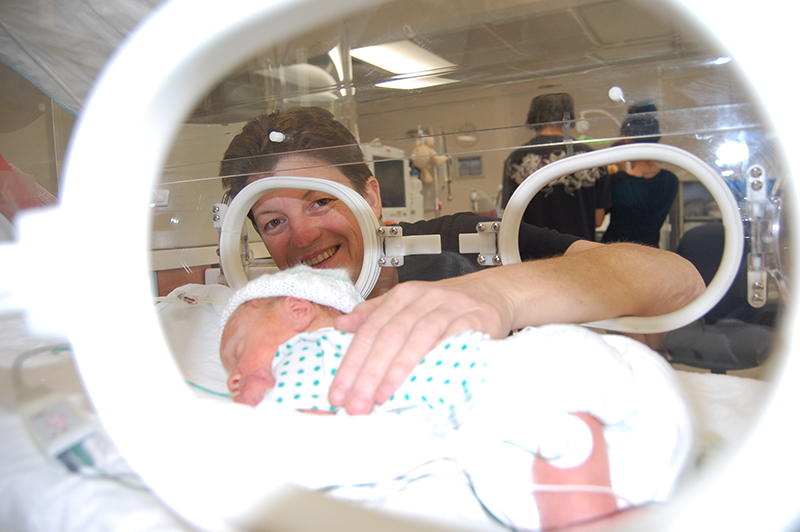
The Chronobiology team works to understand the factors that contribute to poor lung and heart function in newborn infants and find ways to prevent heart and lung disease.

Head, Developmental Chronobiology
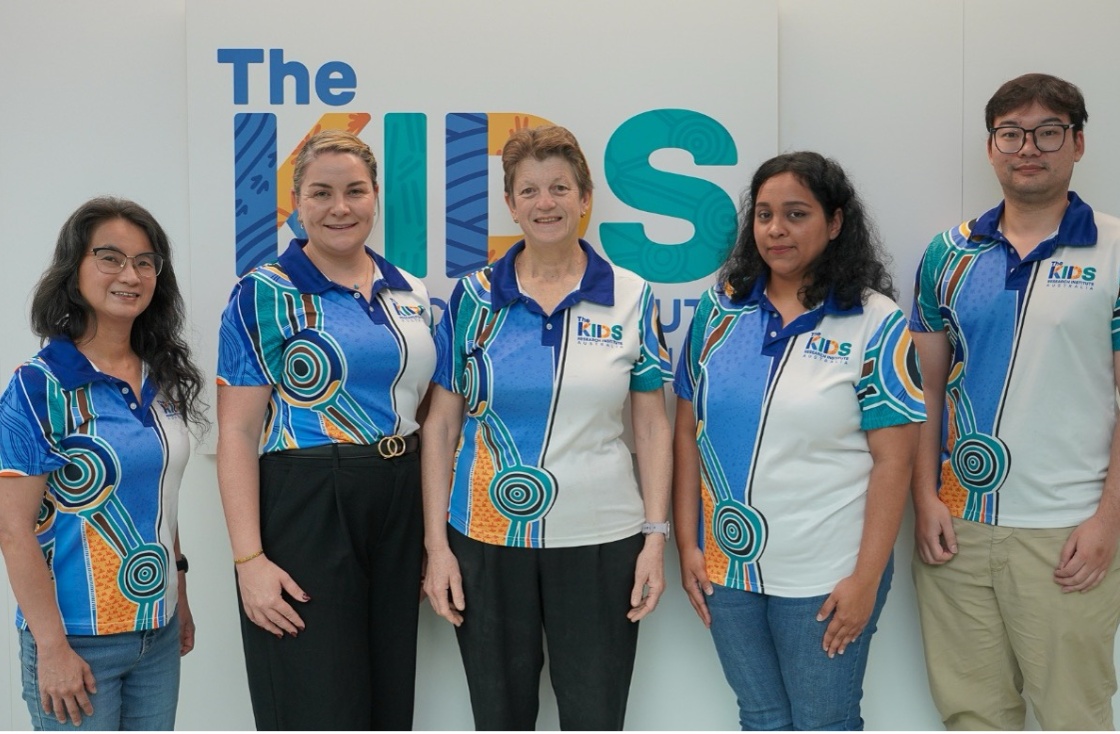
Meet the team behind the CIRCA DIEM study.
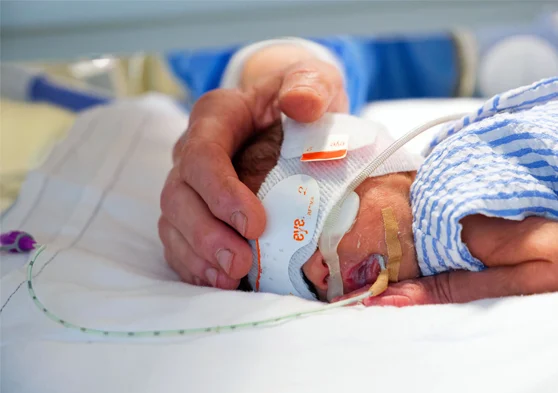
The CIRCA DIEM Trial Steering Committee provides independent oversight and strategic guidance for the study.