Search
News & Events
The Kids Research Institute Australia to lead international research team in tackling acute rheumatic feverAn international research team led by The Kids Research Institute Australia has been awarded a $5 million Synergy Grant by the NHMRC.
Research
Aboriginal and Torres Strait Islander children and child sexual abuse in institutional settingsThe Royal Commission into Institutional Responses to Child Sexual Abuse commissioned The Kids Research Institute Australia to collaborate on a report
Research
The negotiations of involved fathers and intensive mothers around shared-bed sleeping with infants (co-sleepingThis article discusses some emerging issues that arose during a much wider evaluative investigation of the Western Australian Health Department's bed-sharing...
News & Events
Partnering to end rheumatic heart diseaseResearchers from The Kids Research Institute Australia are sharing expertise and knowledge to end rheumatic heart disease in this country.
Research
First genome-wide association study in an Australian Aboriginal population provides insights into genetic risk factors for body mass index and type 2 diabetesA body mass index (BMI) >22kg/m2 is a risk factor for type 2 diabetes (T2D) in Aboriginal Australians.
Research
Position statement of the World Heart Federation on the prevention and control of rheumatic heart diseaseIn the 21st century, rheumatic fever (RF) and rheumatic heart disease (RHD) are neglected diseases of marginalized communities.
Research
PneuMum: Impact from a trial of maternal pneumococcal vaccination on middle ear disease amongst Indigenous infantsThis study was unable to demonstrate efficacy of 23vPPV in pregnancy against the co-primary outcomes of either all-cause infant ear disease.
Research
Screening for rheumatic heart disease: current approaches and controversiesIn endemic areas, RHD has long been a target of screening programmes that, historically, have relied on cardiac auscultation.
Research
Relationships between Psychosocial Resilience and Physical Health Status of Western Australian Urban Aboriginal YouthThe aim of this study was to investigate the extent to which factors previously documented as buffering the impact of high-risk family environments on...
Research
'If I Wanted to Have More Opportunities and Go to a Better School, I Just Had to Get Used to It’The experiences of 32 male Aboriginal students from regional and remote towns and communities while they attended a metropolitan boarding school...
Research
Nitazoxanide for the treatment of infectious diarrhoea in the Northern Territory, Australia 2007-2012This paper examines the use of a new antibiotic to treat diarrhoea cause by Cryptosporidium infection in Australian Indigenous children.
Research
Gaps in Indigenous disadvantage not closing: A census cohort study of social determinants of health in Australia, Canada, and New Zealand from 1981-2006Australia, Canada, and New Zealand are all developed nations that are home to Indigenous populations which have historically faced poorer outcomes than their...
Research
“You’re telling us to go first?!” COVID-19 pandemic and vaccination experiences among Aboriginal adults in Western AustraliaGlobally, Indigenous populations have been disproportionately impacted by pandemics. In Australia, though national infection rates with COVID-19 infections in Aboriginal and/or Torres Strait Islander people were lower in the first 12 months of the COVID-19 pandemic, there was soon a greater burden in Aboriginal and/or Torres Strait Island people once Omicron was circulating. Uptake of the COVID-19 vaccine was also lower among Aboriginal and/or Torres Strait Islander people.
News & Events
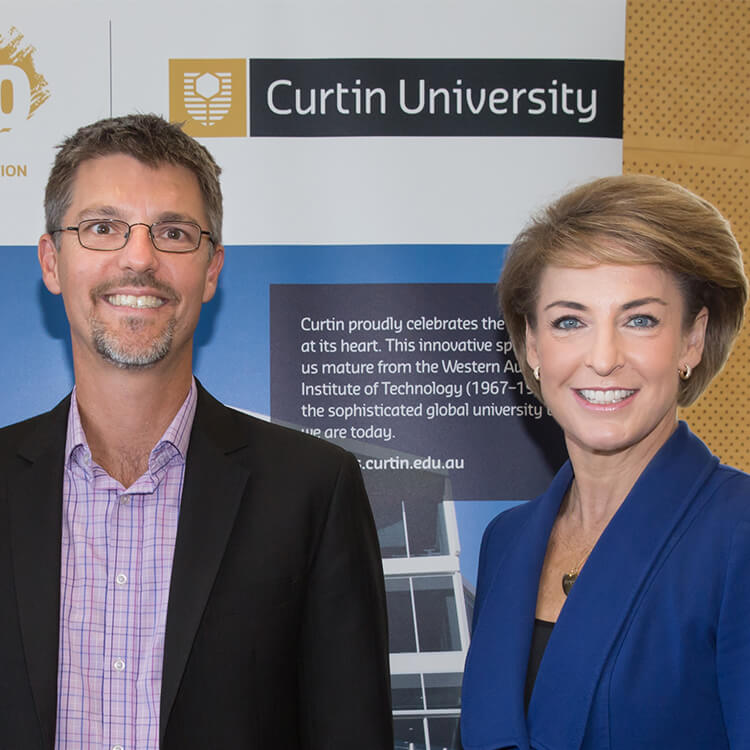
The Kids Research Institute Australia researcher wins Premier’s Science AwardInfectious diseases researcher, Dr Asha Bowen, has won the Early Career Scientist of the Year Premier's Science Award for 2017.
The Strep A Translation team aim to understand the epidemiology of Strep A infections in Australia and the world. Alongside this, they explore the implementation of endgame recommendations, health economics and new horizons.
Research
Improving primary prevention of acute rheumatic fever in Australia: consensus primary care priorities identified through an eDelphi processTo establish the priorities of primary care providers to improve assessment and treatment of skin sores and sore throats among Aboriginal and Torres Strait Islander people at risk of acute rheumatic fever (ARF) and rheumatic heart disease (RHD).
Research
Modelling study of the ability to diagnose acute rheumatic fever at different levels of the Ugandan healthcare systemTo determine the ability to accurately diagnose acute rheumatic fever given the resources available at three levels of the Ugandan healthcare system.
Research
Rheumatic Heart DiseaseRheumatic heart disease (RHD) is the most important cause of acquired cardiovascular disease in children and young adults. Virtually non-existent in most of Australia, it still predominantly affects Aboriginal communities.
Research
Searching for a technology-driven acute rheumatic fever test: the START study protocolThe absence of a diagnostic test for acute rheumatic fever (ARF) is a major impediment in managing this serious childhood condition. ARF is an autoimmune condition triggered by infection with group A Streptococcus.
Research
The economic and health burdens of diseases caused by group A Streptococcus in New ZealandIn preparation for the future arrival of a group A Streptococcus (GAS) vaccine, this study estimated the economic and health burdens of GAS diseases in New Zealand. The annual incidence of GAS diseases was based on extrapolation of the average number of primary healthcare episodes managed each year in general practices (2014-2016) and on the average number of hospitalizations occurring each year (2005-2014). Disease incidence was multiplied by the average cost of diagnosing and managing an episode of disease at each level of care to estimate the annual economic burden.