
Search
The stillbirth rate among Aboriginal and Torres Strait Islander women and communities in Australia is around double that of non-Indigenous women. While the development of effective prevention strategies during pregnancy and improving care following stillbirth for women and families in communities has become a national priority, there has been limited progress in stillbirth disparities. With community permission, this study aimed to gain a better understanding of community experiences, perceptions, and priorities around stillbirth.
Cardiovascular disease and type 2 diabetes mellitus are leading contributors to the health inequity experienced by Aboriginal and Torres Strait Islander peoples, and their antecedents can be identified from early childhood. We aimed to establish the quality of available data and the prevalence of cardiometabolic risk markers among Aboriginal and Torres Strait Islander children and youths (0-24-year-olds) to inform public health approaches.
Histo-blood group antigens (HBGAs) may influence immune responses to rotavirus vaccination.
In remote communities of northern Australia, First Nations children with hearing loss are disproportionately at risk of poor school readiness and performance compared to their peers with no hearing loss. The aim of this trial is to prevent early childhood persisting otitis media (OM), associated hearing loss and developmental delay.
This population-based study investigated the association of BMI and other predictors with gestational diabetes mellitus among Australian Aboriginal and non-Aboriginal mothers. We conducted a state-wide retrospective cohort study that included all singleton births in Western Australia between 2012 and 2015 using population health datasets linked by the Western Australian Data Linkage Branch.
Declining worldwide or national stroke incidence rates are not always mirrored in disadvantaged, minority populations. Logistical barriers exist for effective measurement of incidence in minority populations; such data are required to identify targets for culturally appropriate interventions. In this comparative review, we aimed to examine whether “gold-standard” methodologies of stroke incidence studies are most effective for minority populations.
Aboriginal young people are experts in their own experience and are best placed to identify the solutions to their mental health and wellbeing needs. Given that Aboriginal young people experience high rates of mental health concerns and are less likely than non-Indigenous young people to access mental health services, co-design and evaluation of appropriate mental health care is a priority.
Chronic disease remains the leading cause of morbidity and mortality among Aboriginal and Torres Strait Islander peoples in Australia. Regular structured, comprehensive health assessments are available to Aboriginal and Torres Strait Islander people as annual health checks funded through the Medicare Benefits Schedule.
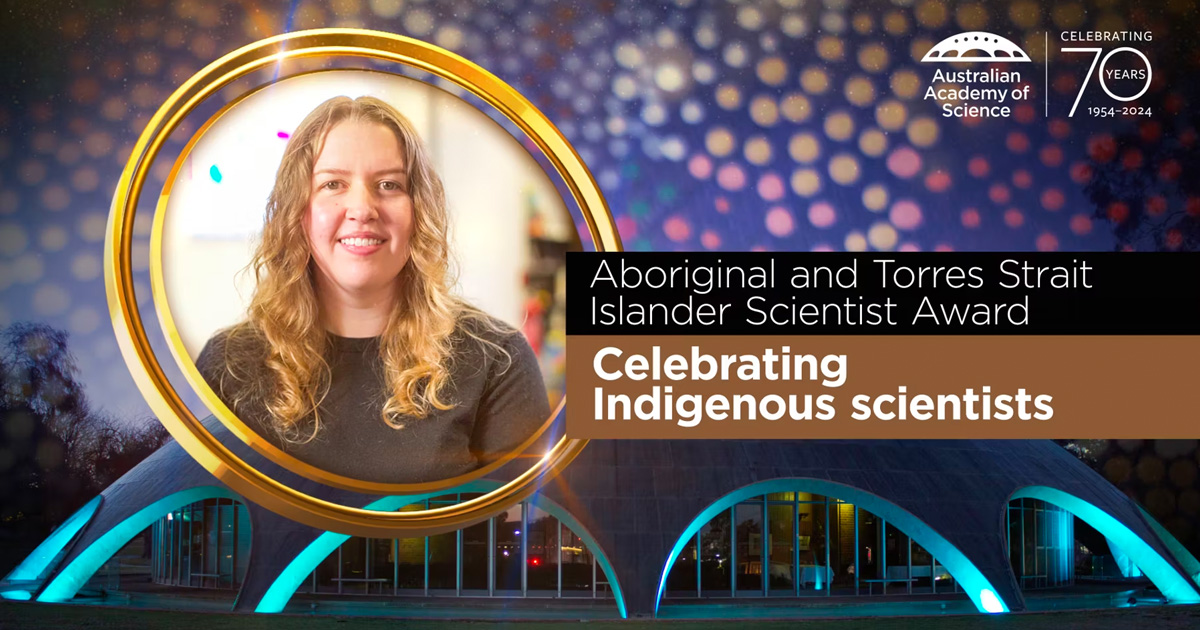
Congratulations to Indigenous genomics researcher Dr Justine Clark, who is one of two scientists nationally to receive the Australian Academy of Science’s 2024 Aboriginal and Torres Strait Islander Science Award.

The Kids Research Institute Australia has welcomed the establishment of an expert committee to guide decision-making around Aboriginal health and medical research in Western Australia.