
Search
Although uncommon, invasive meningococcal disease (IMD) results in death in 5%-10% of cases in healthy children and adolescents. This study aimed to examine demographics, clinical presentation, treatment and outcomes of Australian children hospitalized with IMD during the introduction of the meningococcal vaccine program, overall and by serogroup/disease severity.
MECP2 duplication syndrome (MDS) is an ultrarare, X-linked neurodevelopmental disorder that is poorly understood in terms of its natural history and phenotypic variability. There is limited information on how individuals with MDS acquire, retain or lose fundamental functional skills (gross motor, purposeful hand function and communication) - that of which this study aimed to better characterise in the largest case series to date.
The association between early-life respiratory syncytial virus infections and later respiratory morbidity is well established. However, there is limited evidence on factors that influence this risk. We examined sociodemographic and perinatal factors associated with later childhood respiratory morbidity requiring secondary care following exposure to a laboratory-confirmed RSV episode in the first 2 years.
Surgical intervention is an important treatment modality for advanced rheumatic heart disease (RHD). This study aimed to describe patient characteristics and outcomes from cardiac surgery for RHD in patients referred to the only tertiary paediatric hospital in Western Australia.
Nirsevimab is an extended half-life monoclonal antibody to the respiratory syncytial virus (RSV) fusion protein that has been developed to protect infants for an entire RSV season. Previous studies have shown that the nirsevimab binding site is highly conserved. However, investigations of the geotemporal evolution of potential escape variants in recent (ie, 2015–2021) RSV seasons have been minimal.
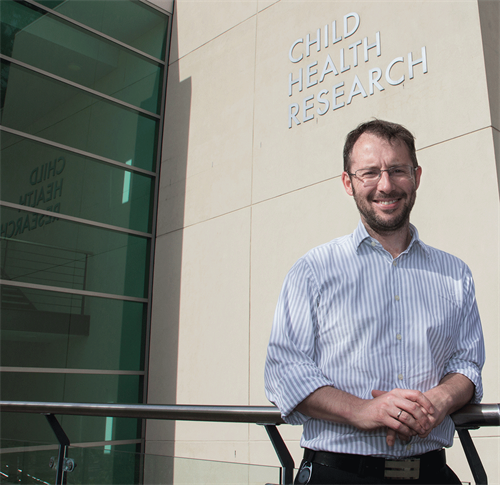
Researchers from The Kids Research Institute Australia and Curtin University will use a $3.9 million grant from the National Health and Medical Research Council to investigate whether a type of whooping cough vaccine could provide bonus protection against food allergies and eczema.
Respiratory Syncytial Virus (RSV) causes a significant burden of illness for children under 2 years of age. Nirsevimab, a long-acting monoclonal antibody, was registered for RSV prevention in Australia in 2023. In April 2024, Western Australia (WA) launched the country's first state-wide nirsevimab program for all infants and high-risk children entering their second RSV season.
Evidence-based recommendations exist for early discharge (before 48 h) of young infants with fever without source (FWS) at low risk of serious bacterial infections (SBIs). However, concerns regarding the applicability of international data to local contexts may hinder implementation. We aimed to describe the local epidemiology of FWS and evaluate a newly implemented risk-stratification guideline to support practice change.
Respiratory syncytial virus (RSV) is a major cause of acute lower respiratory infections globally in children under five years. With the development of RSV prevention strategies, understanding risk factors and relation to age and population is useful for deciding the type of program implemented.
To evaluate descriptive efficacy data, exploratory immunogenicity data, and safety follow-up through study completion from the global, phase 3 MATISSE (Maternal Immunization Study for Safety and Efficacy) maternal vaccination trial of bivalent respiratory syncytial virus (RSV) prefusion F protein vaccine (RSVpreF).