Search
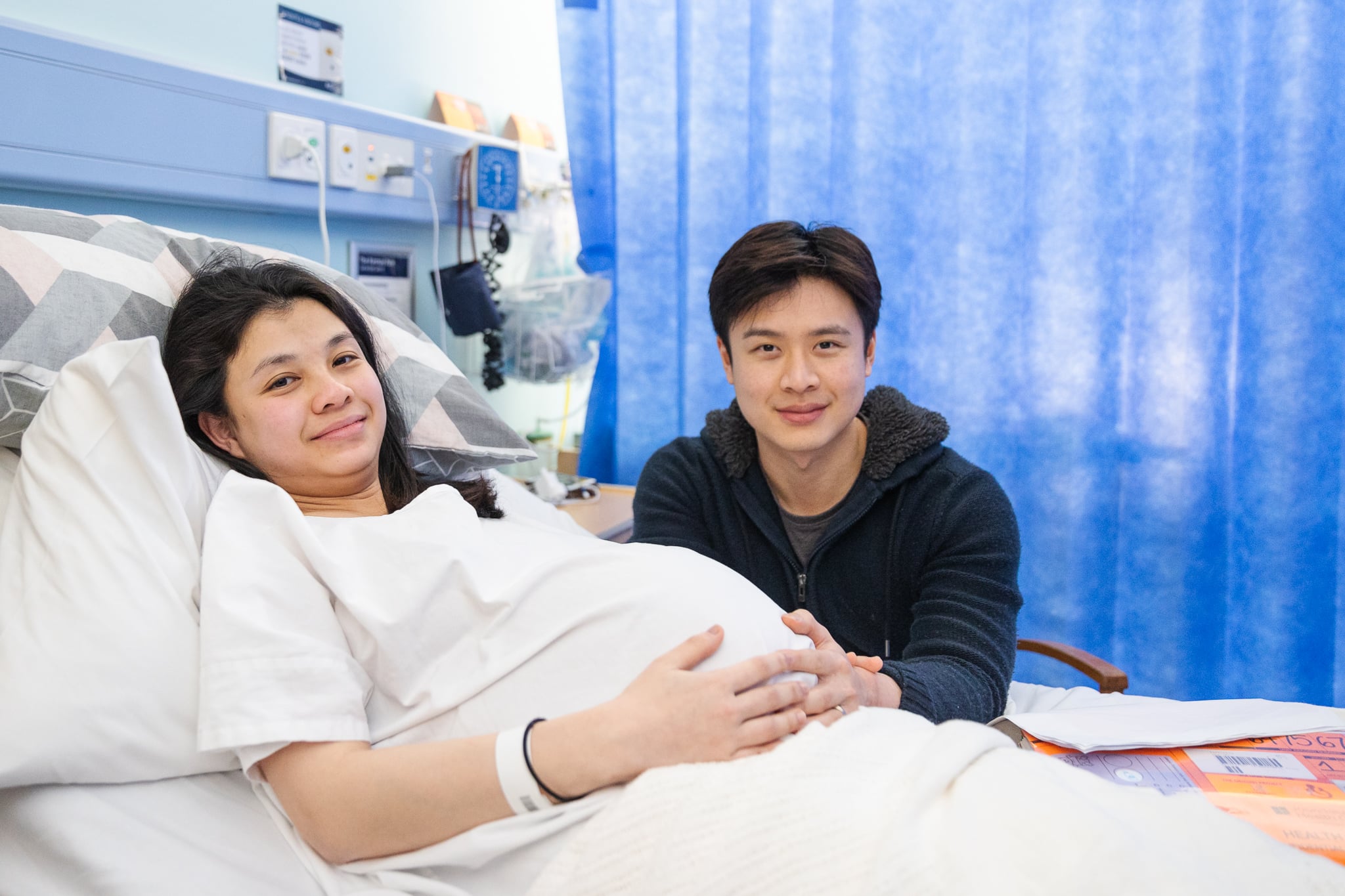
New dads can feel undervalued and face significant health and mental health risks following the birth of a child, according to new research that has prompted a rethink about how to address the often-unmet needs of fathers.
The ORIGINS Project is a decade-long longitudinal study of more than 18,000 individuals including mothers, partners and children, as part of a collaboration between The Kids Research Institute Australia and Joondalup Health Campus.
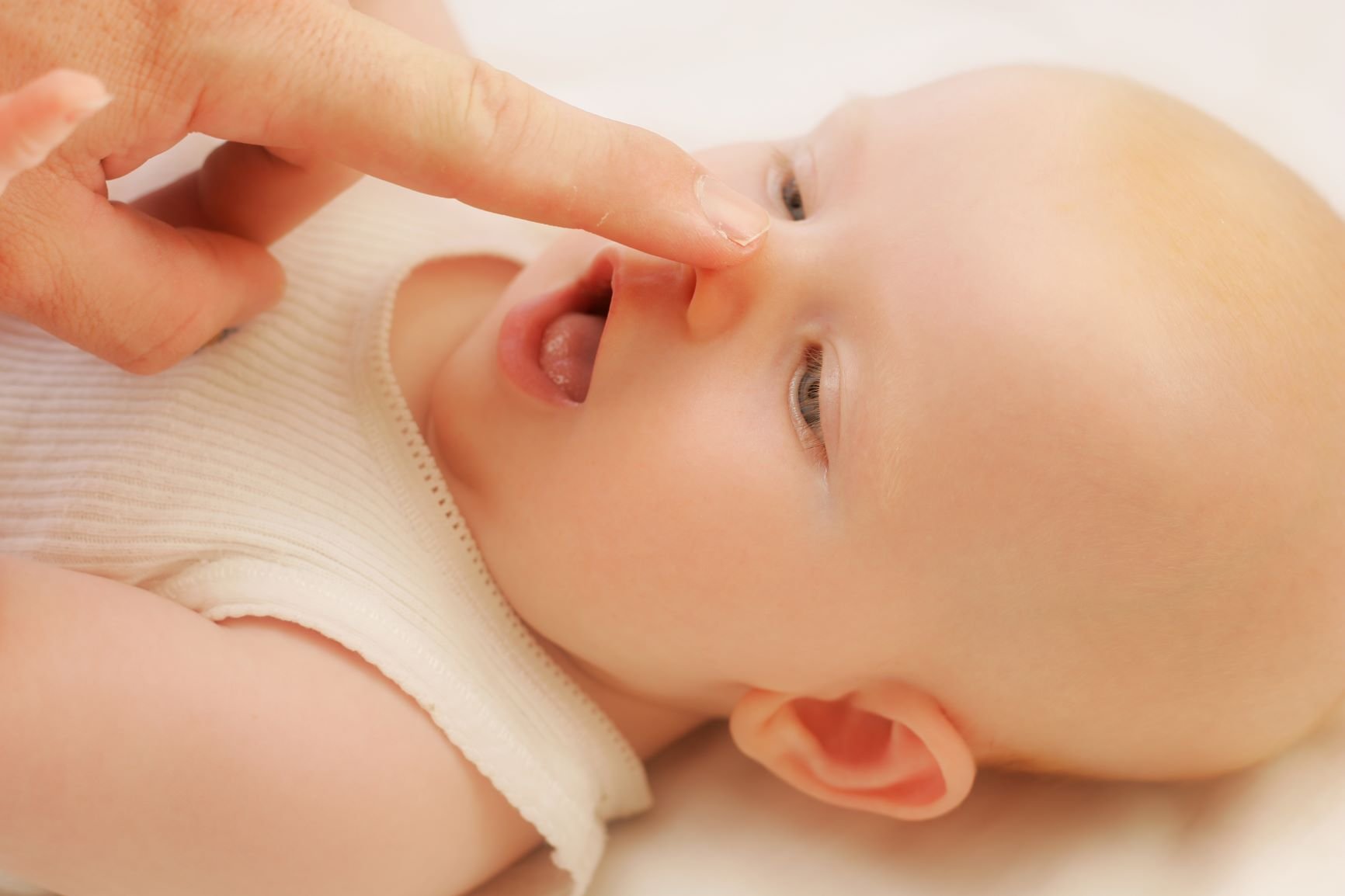
One in three children in WA suffer iron deficiency leading to poor sleep, fussy eating, and behavioural difficulties. This project aims to develop mechanisms to prevent and treat the problems before they become clinically significant and translate findings to other communities to improve childhood wellness.
This project aims to examine whether maternal probiotic supplementation promotes an enhanced immunomodulatory breastmilk composition likely to promote infant oral tolerance, and reduce food allergy in breastfed children.
Spanning across 15 countries, this study is exploring how breastmilk supports good bacteria in the infant gut and how this relationship programs the developing immune system.
SYMBA is promoting gut health (symbiosis) with prebiotic fibre taken during pregnancy for prevention of allergic disease.
This research domain focuses on understanding how early biological and physical factors shape infant growth, body composition, and neurodevelopment from the earliest stages of life.
Can baby’s early movements predict learning difficulties later in childhood?
Determining the associations of sun exposure in early life on the development of non-communicable diseases.
Research
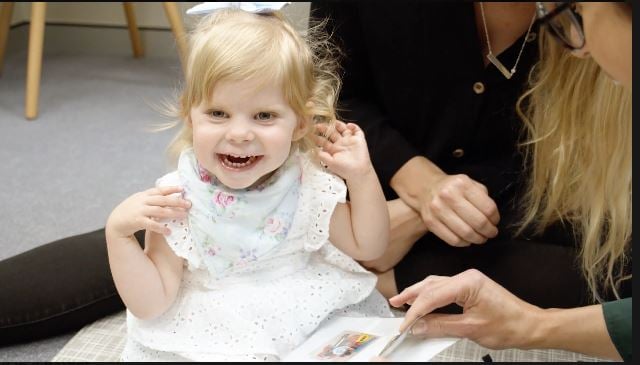
The Flourishing Child: Understanding how Adults and Children Perceive Flourishing from the Start of LifeThe current narrative surrounding children’s health and wellbeing often focuses on adversity and dysregulation with a lack of positive messaging. However, promoting protective and buffering factors may be as important as reducing adverse exposures. While the concept of flourishing is commonly applied in the context of adults, defining what flourishing means for children in current academic literature remains unclear.