
Search
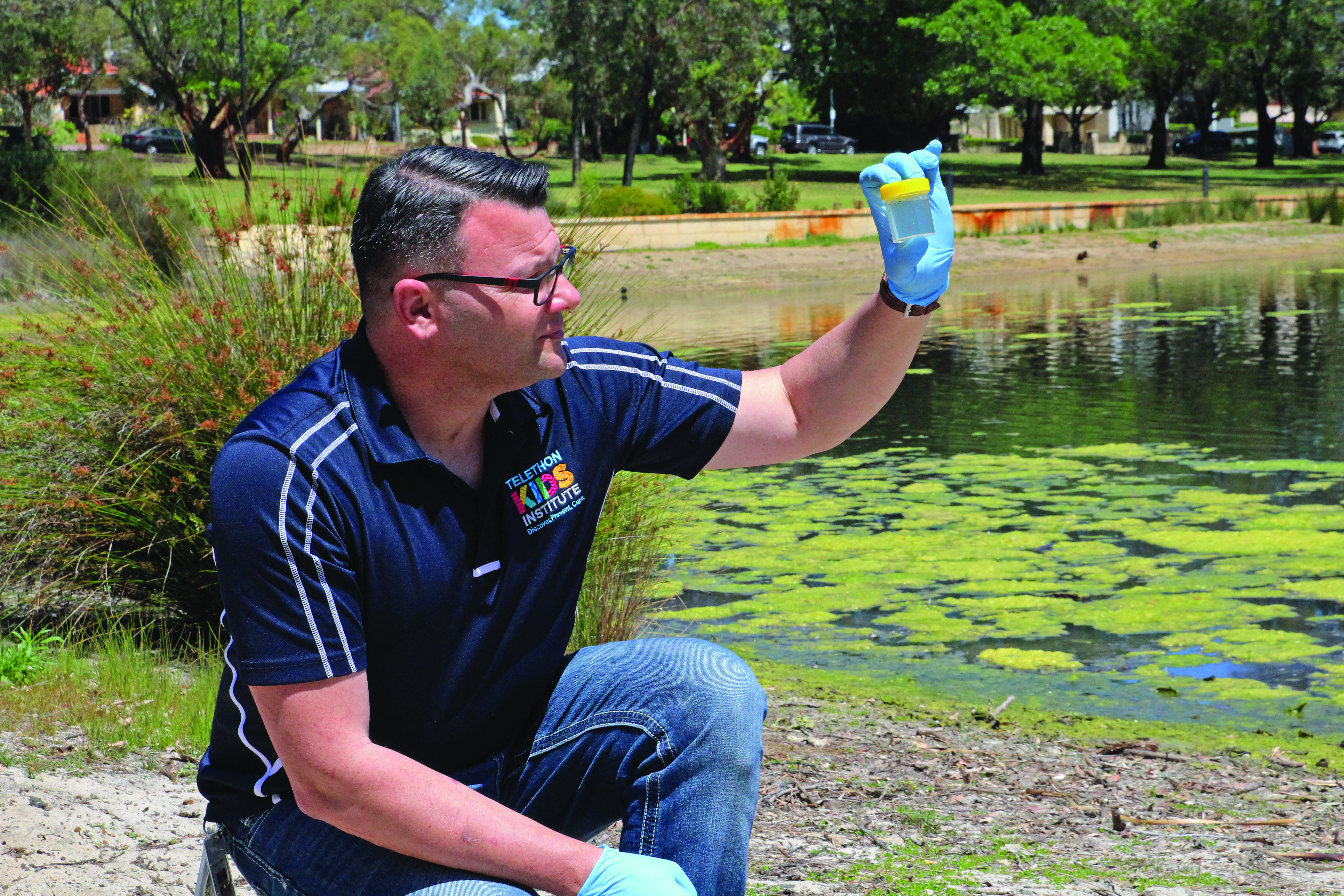
Perth researchers discovered a naturally occurring virus living in the city’s waterways that could potentially fight antibiotic-resistant superbugs.
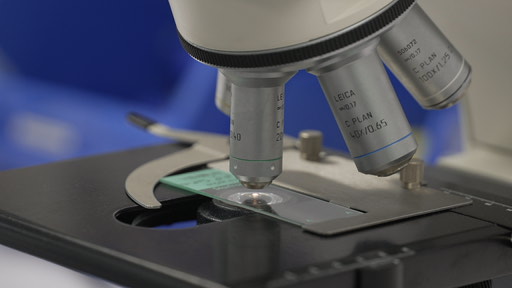
The Kids Research Institute Australia is equipped with a diverse range of histology and microscopy equipment and analysis software to facilitate state-of-the-art imaging.
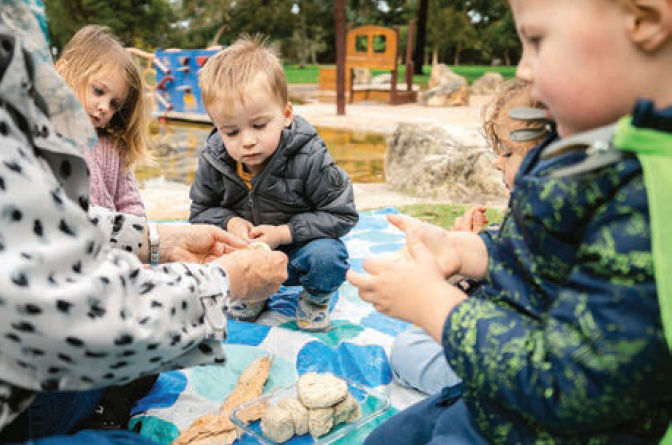
The ORIGINS Project is a decade-long longitudinal study of more than 18,000 individuals including mothers, partners and children, as part of a collaboration between The Kids Research Institute Australia and Joondalup Health Campus.
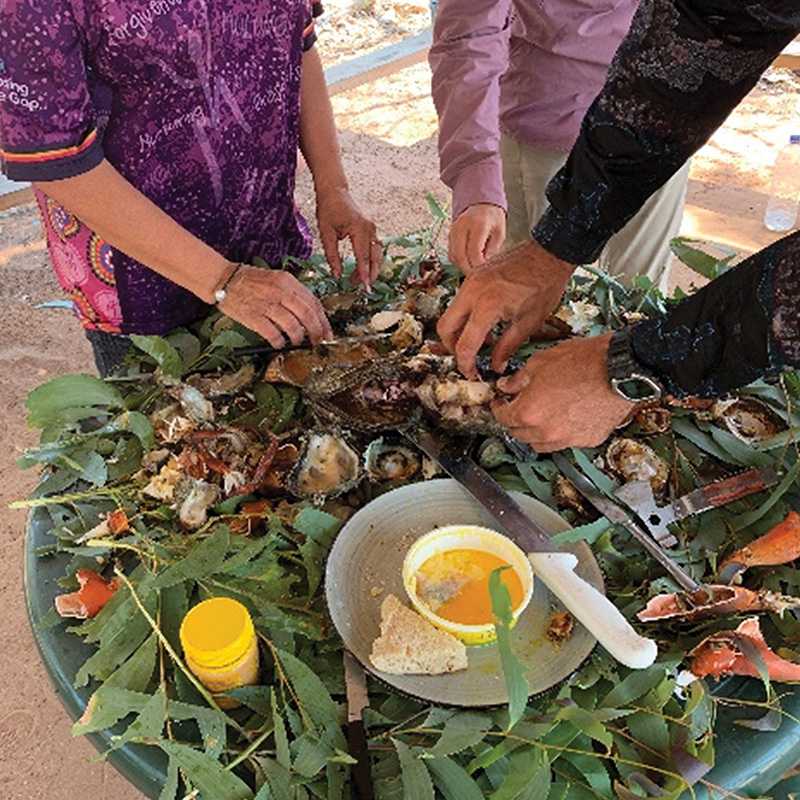
Researchers are collaborating with Community Elders to find out how bush tucker and traditional food can improve the health of Aboriginal children.
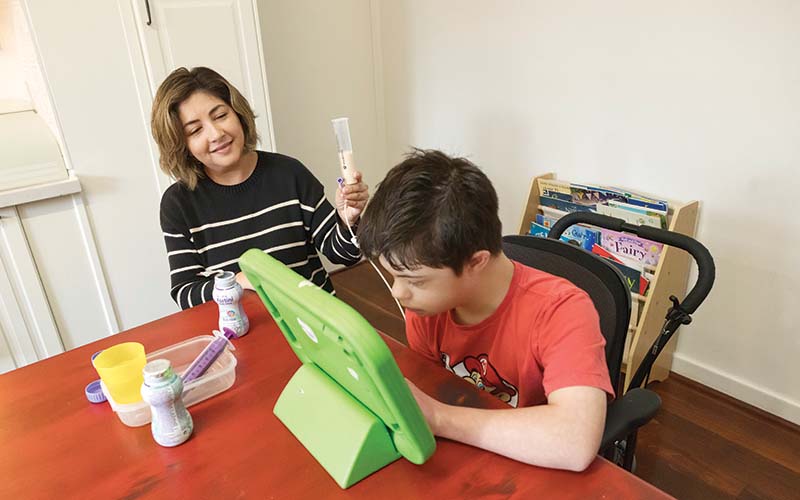
For thousands of children around Australia with intellectual and other disabilities, the process of eating can be traumatic, posing challenges that veer from uncomfortable to life threatening.
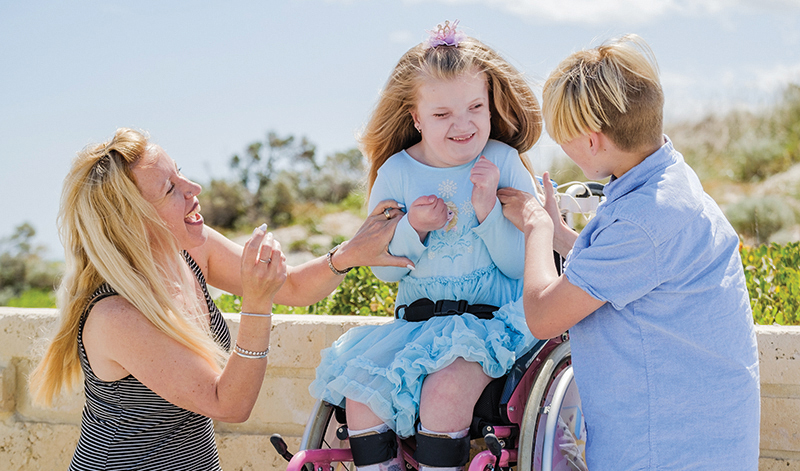
For thousands of WA children living with undiagnosed diseases, it’s hope.
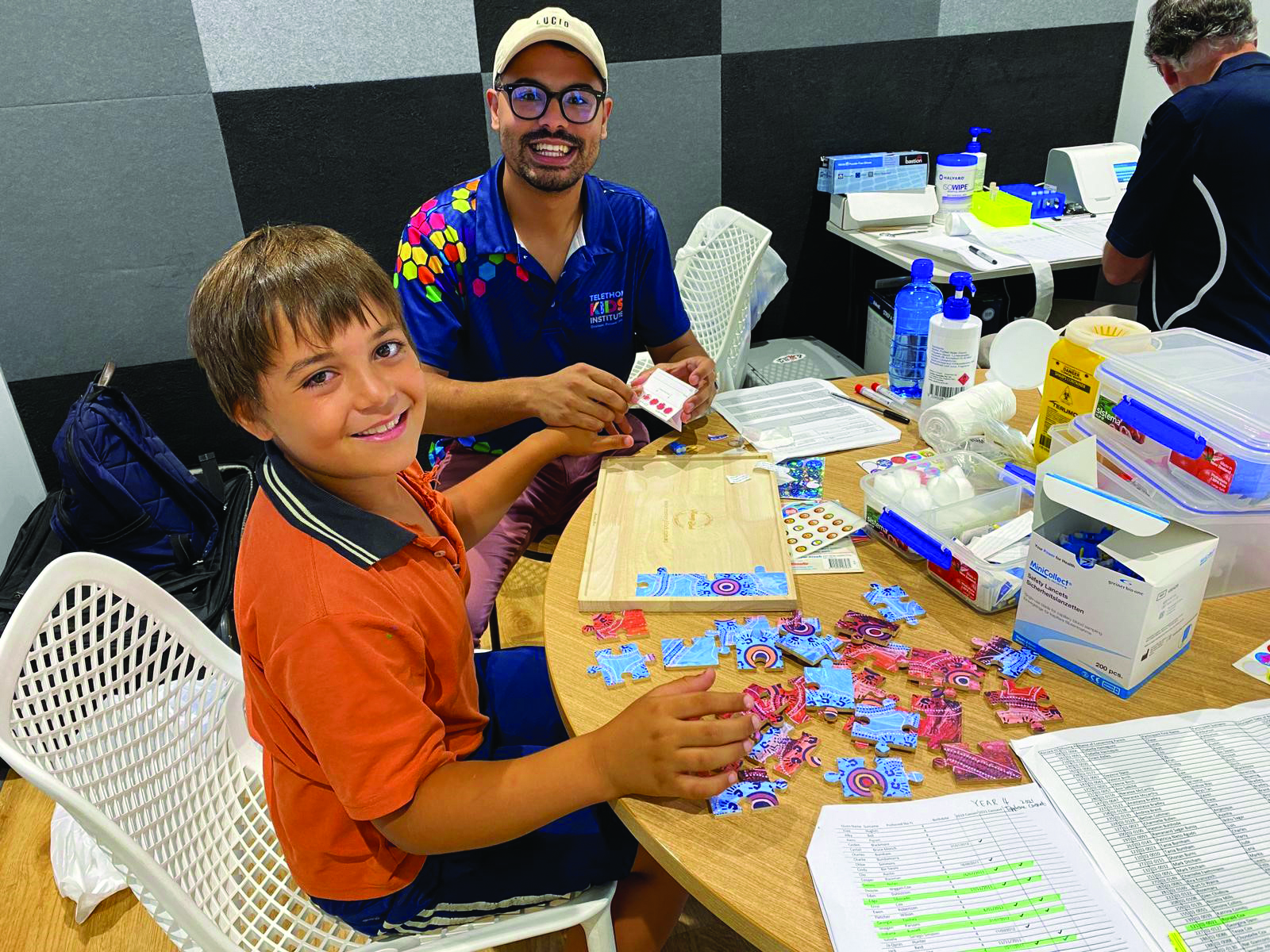
Thanks to research, a six -second test can get the answers that could save a child’s life.
Research
A comparison of videolaryngoscopy using standard blades or non-standard blades in children in the Paediatric Difficult Intubation RegistryThe design of a videolaryngoscope blade may affect its efficacy. We classified videolaryngoscope blades as standard and non-standard shapes to compare their efficacy performing tracheal intubation in children enrolled in the Paediatric Difficult Intubation Registry.
Research
Changes in airway inflammation with pseudomonas eradication in early cystic fibrosisNeutrophil elastase is a significant risk factor for structural lung disease in cystic fibrosis, and Pseudomonas aeruginosa airway infection is linked with neutrophilic inflammation and substantial respiratory morbidity. We aimed to evaluate how neutrophil elastase (NE) activity changes after P. aeruginosa eradication and influences early disease outcomes. We assessed participants in the AREST CF cohort between 2000 and 2018 who had P. aeruginosa cultured from their routine annual bronchoalveolar lavage (BAL) fluid and who underwent eradication treatment and a post eradication BAL. Factors associated with persistent P. aeruginosa infection, persistent neutrophilic inflammation following eradication and worse structural lung disease one year post-eradication were evaluated.
Research
Effect of Exercise Intensity on Exogenous Glucose Requirements to Maintain Stable Glycemia At High Insulin Levels in Type 1 DiabetesUnder basal insulin levels, there is an inverted U relationship between exercise intensity and exogenous glucose requirements to maintain stable blood glucose levels in type 1 diabetes (T1D), with no glucose required for intense exercise (80% V̇O2 peak), implying that high-intensity exercise is not conducive to hypoglycemia.