
Search
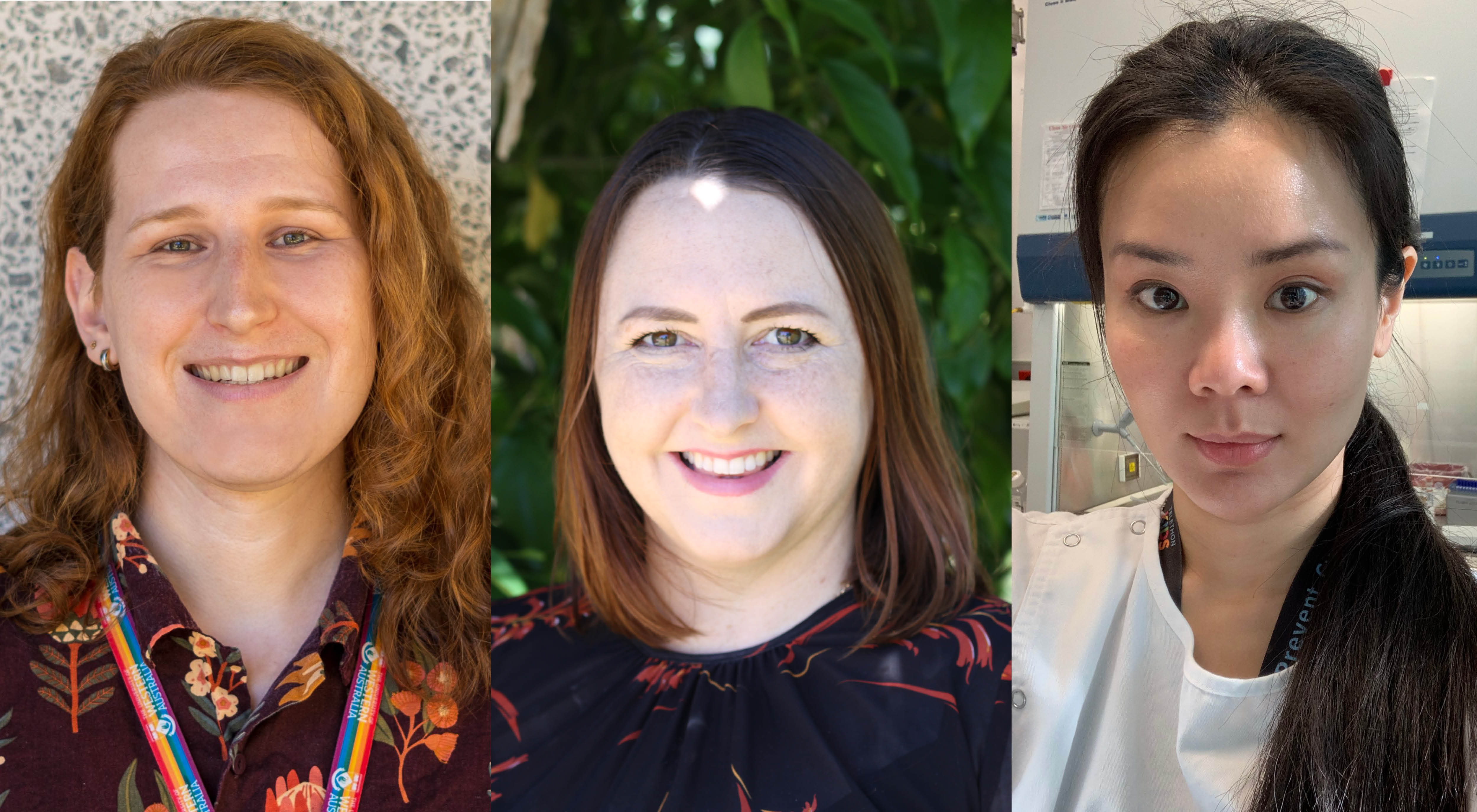
The Wesfarmers Centre of Vaccines and Infectious Diseases (WCVID) awarded three successful recipients with Catalyst research grants, with each researcher receiving $80,000 towards their chosen project.

One out of every 10 children with a bloodstream infection are infected with a multi-drug resistant organism in the nation’s first-ever surveillance study investigating the prevalence of paediatric antimicrobial resistance (AMR).
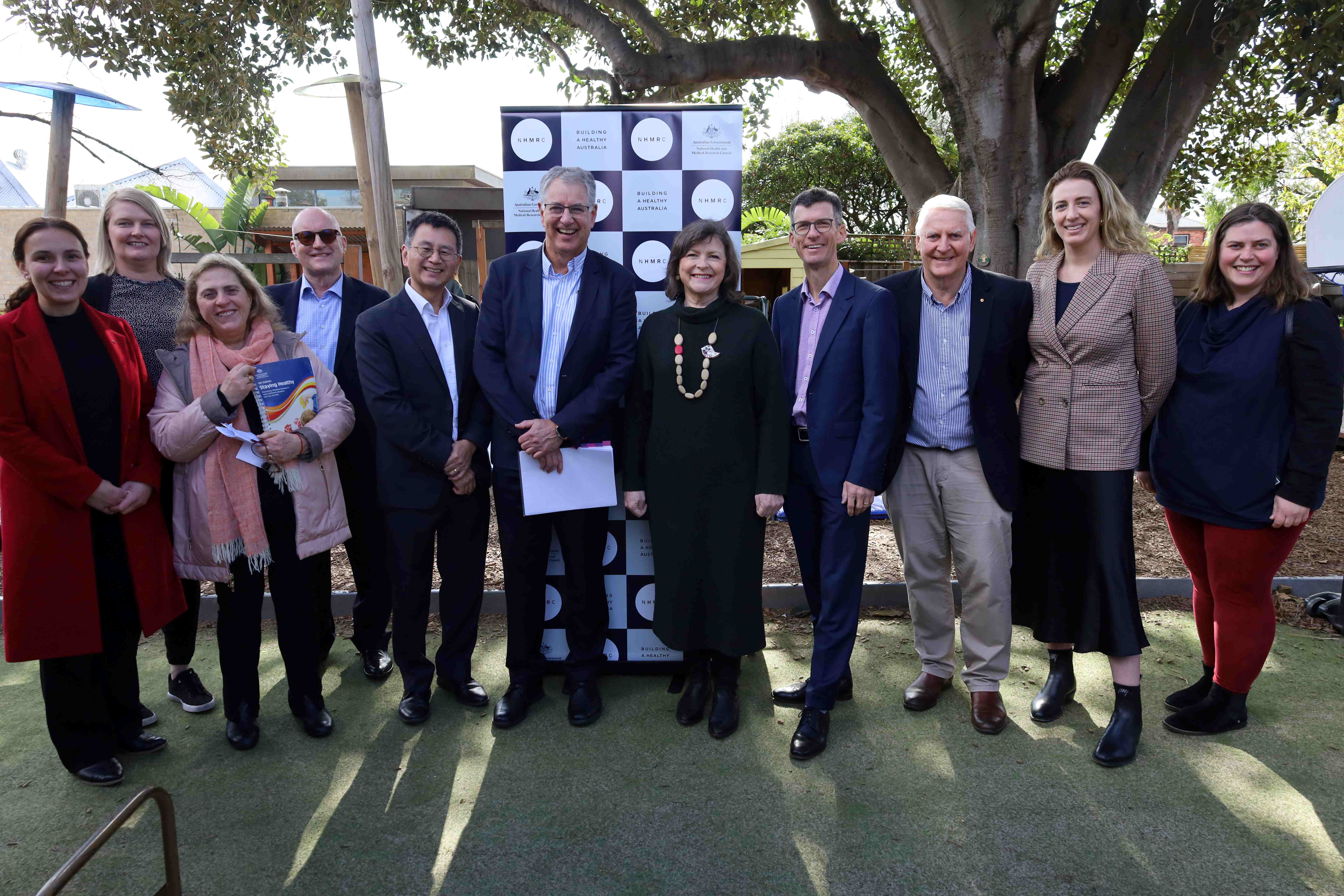
The National Health and Medical Research Council (NHMRC) has launched their sixth edition of Staying healthy: Preventing infectious diseases in early childhood education and care services in a bid to tackle the transmission of germs amongst young kids.

Vital research promoting sun smart choices and skin cancer prevention for young Aboriginal people is now underway at The Kids Research Institute Australia thanks to a $100,000 Perpetual 2024 IMPACT Philanthropy grant.

A team led by Dr Joseph Kado from the Wesfarmers Centre of Vaccines and Infectious Diseases, based at The Kids Research Institute Australia, and The University of Western Australia (UWA) has been awarded $5 million by the Federal Government in a major push to prevent rheumatic heart disease across the Pacific.
Children in Papua New Guinea (PNG) are at high risk of pneumococcal infections. We investigated pneumococcal carriage rates, serotype distribution, and antimicrobial susceptibility in PNG children after vaccination with 10-valent or 13-valent pneumococcal conjugate vaccines (PCV10; PCV13).
Influenza and COVID-19 infections during pregnancy may have serious adverse consequences for women as well as their infants. However, uptake of influenza and COVID-19 vaccines during pregnancy remains suboptimal. This study aims to assess the effectiveness of a multi-component nudge intervention to improve influenza and COVID-19 vaccine uptake among pregnant women.
A future Streptococcus pyogenes (Strep A) vaccine will ideally prevent a significant burden of lower limb cellulitis; however, natural immune responses to proposed vaccine antigens following an episode of cellulitis remain uncharacterized.
Untreated hepatitis C virus (HCV) infection can result in cirrhosis and hepatocellular cancer. Direct-acting antiviral (DAA) therapies are highly effective and have few side effects compared to older interferon-based therapy. Despite the Australian government providing subsidised and unrestricted access to DAA therapy for chronic HCV infection, uptake has not been sufficient to meet the global target of eliminating HCV as a public health threat by 2030.
Dried blood spot (DBS) antibiotic assays can facilitate pharmacokinetic (PK) investigations in situations where venous blood sampling is logistically and/or ethically challenging. The aim of this study was to establish, validate and demonstrate the application of a DBS amoxicillin assay for PK studies in vulnerable populations.