
Search
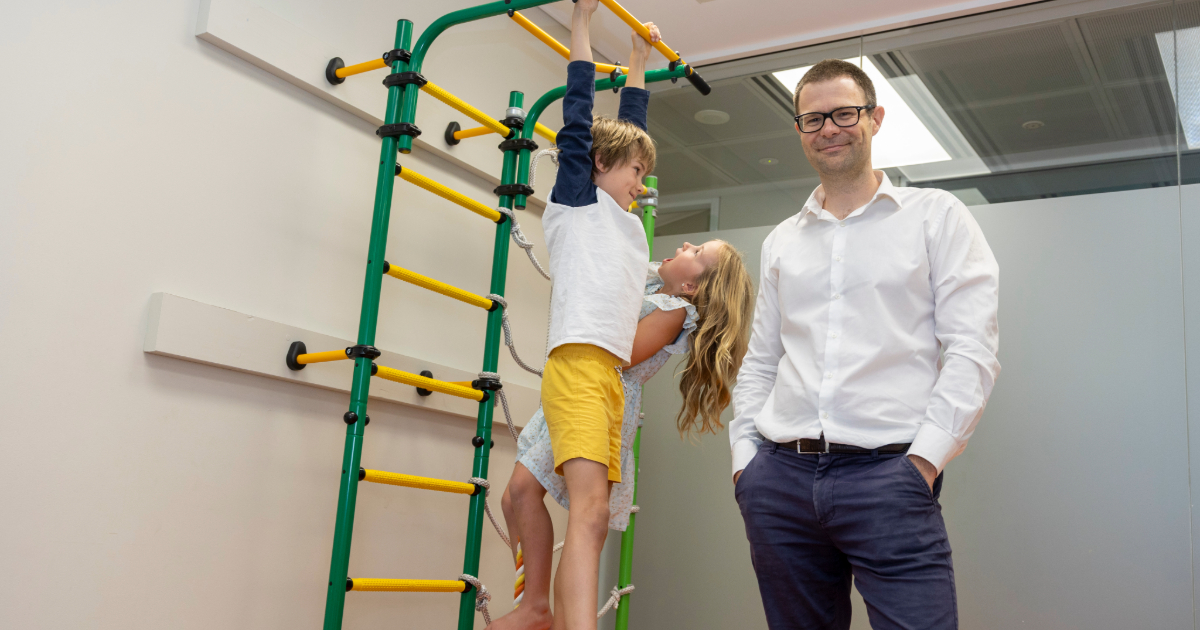
The Kids Research Institute Australia has welcomed the recommendations to come out of the State Government’s inquiry into support for autistic children and young people in schools, released last week.
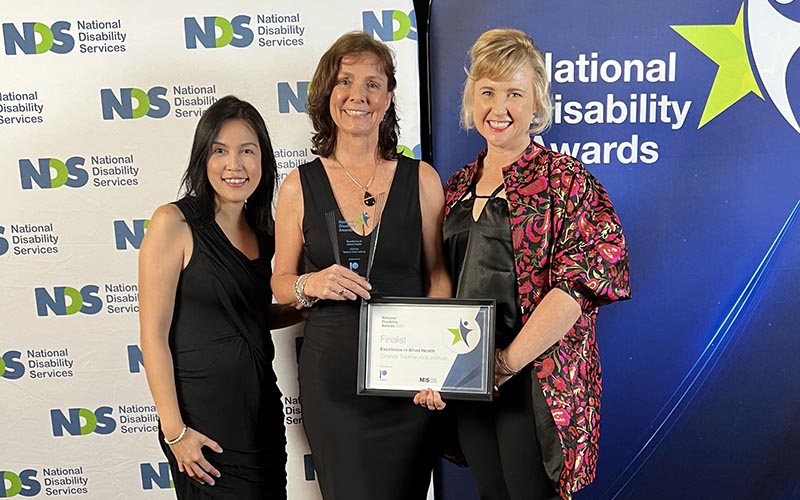
CliniKids has won the Excellence in Allied Health category at the inaugural National Disability Awards, announced in Melbourne tonight.
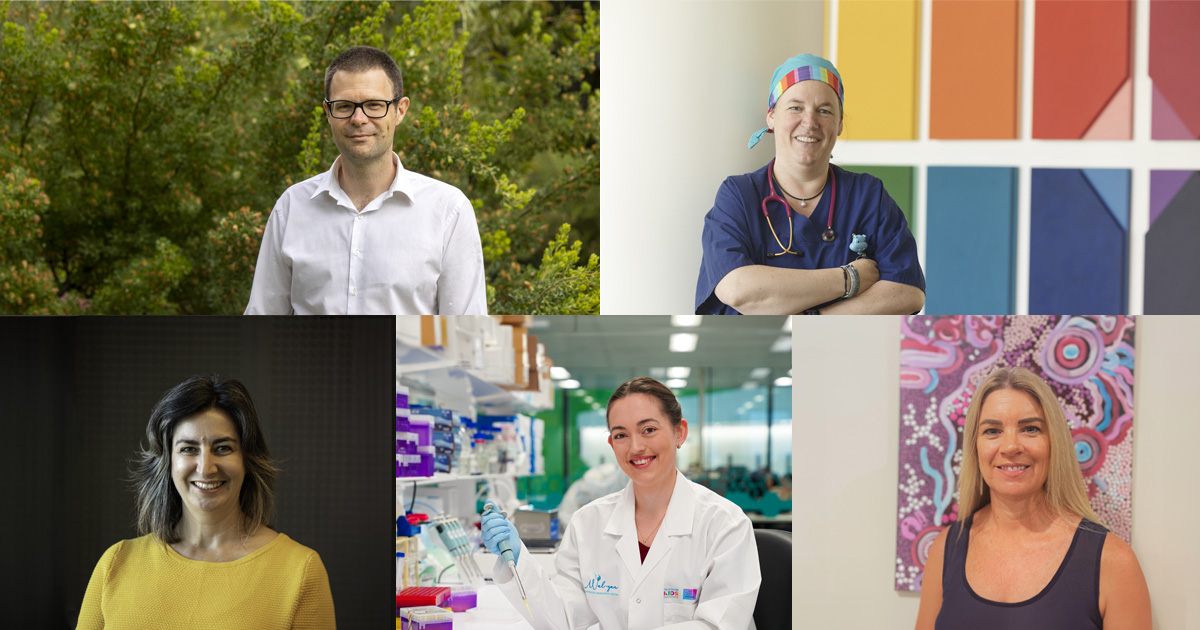
Five The Kids Research Institute Australia researchers working across diverse and highly impactful areas of child health research have been named as finalists for the 2023 Premier’s Science Awards.
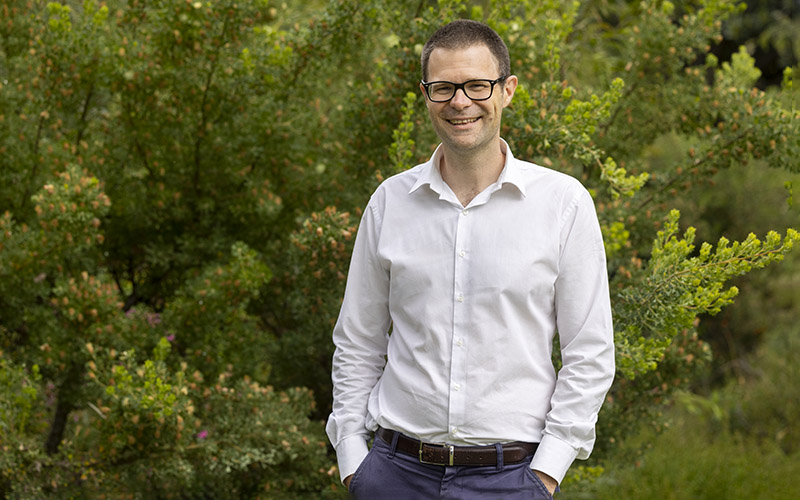
Professor Andrew Whitehouse has been named a finalist in the 2023 Western Australian of the Year Awards for his work in transforming clinical support for autistic children in Australia.
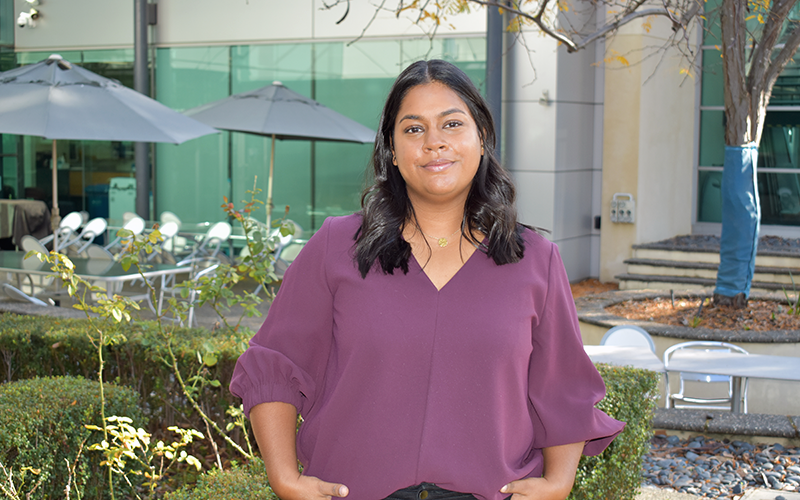
A co-designed digital tool to address anxiety concerns for children on the autism spectrum is set to be developed and trialled in Western Australia.
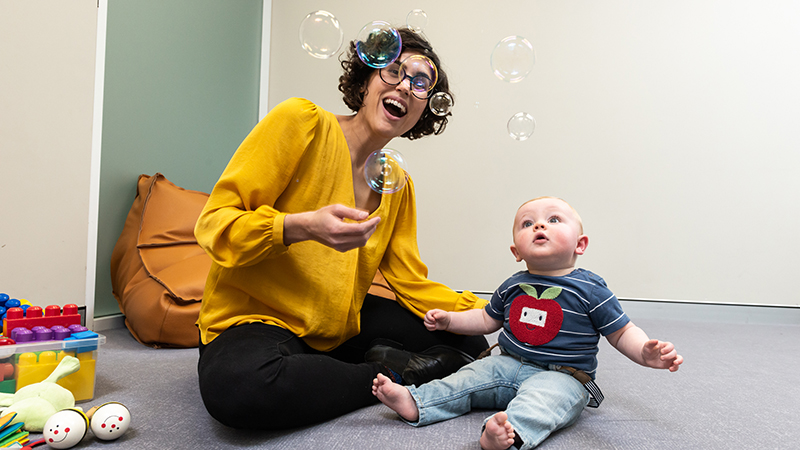
A child-led therapy that supports the social development of babies showing early signs of autism has found a significant reduction in social communication difficulties in babies who received the therapy, according to new research led by CliniKids at The Kids Research Institute Australia.
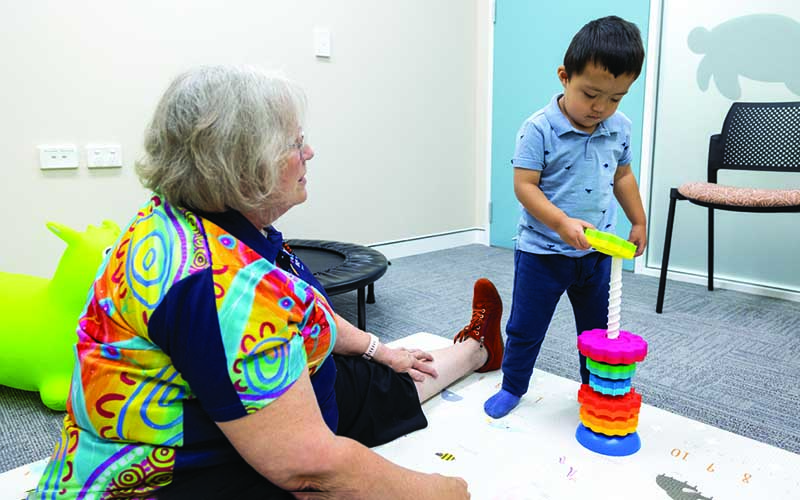
Discover how this family is benefitting from CliniKids' evidence-based therapies.
Shalom Ruggiero is an Occupational Therapist at CliniKids.
Rhianna Kidd is the Marketing and Events Coordinator at CliniKids.
Siu Min is a PhD candidate at The Kids Research Institute Australia and Edith Cowan University. Siu Min is a recipient of 2025/2026 Telethon Trust Fellowship with Child and Adolescent Community Health, for her research in nutrition in young autistic children.