
Search
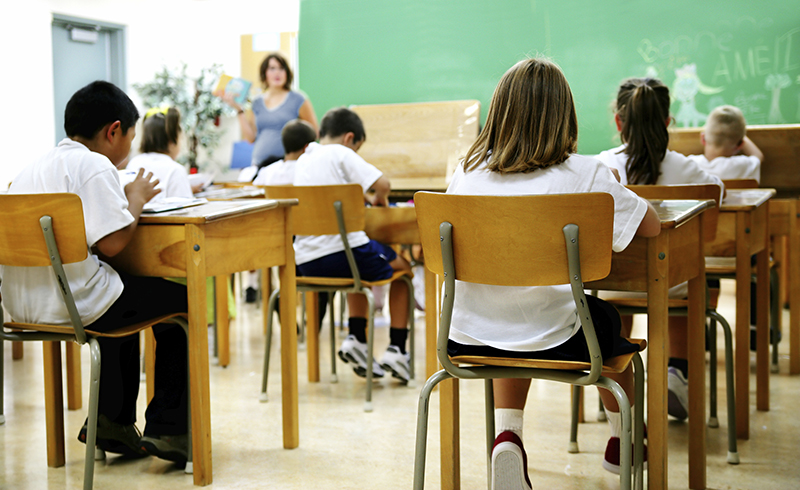
Schools are issuing restrictions around attendance after travel overseas due to coronavirus. Here's how to prepare your kids against the spread of infectious disease on their return to school.
Global rates of invasive Group A Streptococcus (iGAS) disease surged from September 2022, exceeding pre-COVID-19 pandemic levels, showing atypical seasonality and disproportionately affecting children. We previously described the epidemiology of iGAS among Australian children from mid-2018 to end 2022 using data from the Paediatric Active Enhanced Diseases network and here provide updated clinical epidemiology for 2023 and 2024 to help inform public health strategies.
Post-acute sequelae of COVID-19 (PASC), or long COVID, are a public health concern. While most recover from SARS-CoV-2 infections within weeks, some experience persistent symptoms. Here, we quantified the association between repeated SARS-CoV-2 infections and the risk of hospital-diagnosed PASC.
Vaccine mandates were widely implemented against COVID-19, and a large and multidisciplinary literature has emerged as a result, covering fields such as epidemiology, economics, ethics, and law. We compiled an openly available repository of this literature, including 503 studies on COVID-19 vaccine mandates.
This study quantifies the short-term risk profiles of seven severe acute respiratory syndrome coronavirus 2 virus (SARS-CoV-2) vaccines-Comirnaty Bivalent BA.1, Comirnaty Bivalent BA.4-5, Comirnaty XBB.1.5, Spikevax Bivalent BA.1, Spikevax Bivalent BA.4-5, Spikevax XBB.1.5 and Nuvaxovid-administered as booster doses in Australia.
Influenza remains an important cause of pediatric morbidity and mortality. Immunisation is critical to prevent hospitalisation and severe disease. The COVID-19 pandemic had far-reaching effects on influenza epidemiology and vaccine use.
The COVID-19 pandemic drove the implementation of vaccine mandates to protect spaces and/or increase vaccine uptake, though their design, timing, and scope varied across jurisdictions. This study examines the associations of vaccine mandate announcements and removals with COVID-19 vaccine uptake in France, Italy, and California (USA).
Investigator: Nisali Gamage Project description We critically review new studies which are emerging that report findings related to the effects of UV
Obesity was a risk factor for severe COVID-19 in children during early outbreaks of ancestral SARS-CoV-2 and the Delta variant. However, the relationship between obesity and COVID-19 severity during the Omicron wave remains unclear.
Coronavirus-2019 (COVID-19) vaccination in Australia commenced in February 2021. The first vaccines recommended for use were AZD1222 and BNT162b2, both delivered as a two-dose primary schedule. In the absence of sustained immunity following immunisation, recommendations for booster vaccination have followed. It is likely that periodic boosting will be necessary for at least some Australians, but it is unknown what the optimal booster vaccines and schedules are or for whom vaccination should be recommended.