Search
Research
Financial Interventions to Increase Vaccine CoverageRecent vaccine mandates in Australia, as in other high income settings, have sought to change the behavior of parents, including those who would otherwise access nonmedical exemptions. Since 2014, Australian state governments have introduced and progressively tightened policies restricting the access of unvaccinated children to early education and child care.
Research
Quality of benzathine penicillin G: A multinational cross-sectional studyBenzathine penicillin G (BPG) is used as first-line treatment for most forms of syphilis and as secondary prophylaxis against rheumatic heart disease (RHD). Perceptions that poor quality of BPG is linked to reported adverse effects and therapeutic failure may impact syphilis and RHD control programs. Clinical networks and web-based advertising were used to obtain vials of BPG from a wide range of countries.
Research
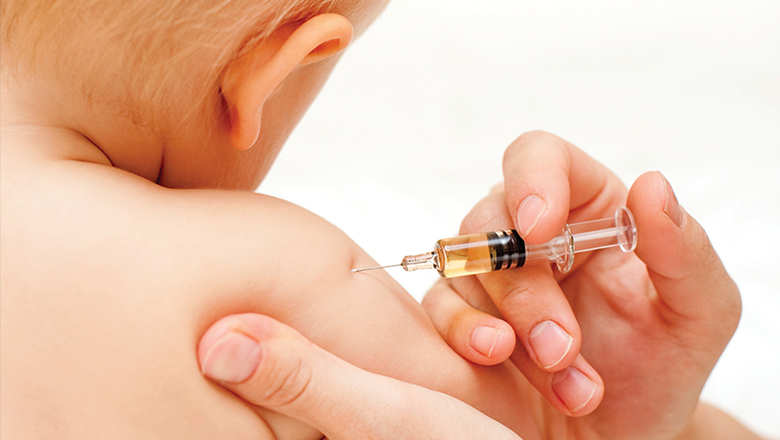
ImmunisationImmunisation is the most effective way of protecting your child against a range of serious illnesses, including measles, hepatitis B and whooping cough. All vaccines used in Australia undergo stringent testing and ongoing monitoring.
Research
VaccinationVaccination is the injection of an inactivated bacteria or virus into the body. This simulated infection allows an individual's immune system to develop an adaptive immunity for protection against that type of illness. When a sufficiently large percentage of a population has been vaccinated, this results in herd immunity.
Research
InfluenzaInfluenza (commonly known as the flu) is caused by a highly contagious virus spread mainly through coughing and sneezing. An annual flu vaccination is the most effective way to prevent flu outbreaks.
Research
Whooping CoughWhooping cough (pertussis) is a highly contagious respiratory infection which causes a severe cough and can be particularly dangerous to babies under a year old. Vaccination is the best way to reduce the risk of whooping cough.
Research
Socio-economic inequality underpins inequity in influenza vaccination uptake between public and private secondary schools: an Australian population-based studySocio-economic inequality and vaccination inequity have long been critical issues. However, no studies have explored the gap in influenza vaccination uptake between public and private schools. Importantly, the extent to which socio-economic inequality translates into vaccination uptake inequity has not been quantified.
Research
Nudging towards COVID-19 and influenza vaccination in children with medically at-risk conditionsNon-coercive 'nudge' interventions have shown the potential to promote health behaviours. This study aimed to evaluate the impact of nudge interventions on COVID-19/influenza vaccine uptake among children with medically at-risk conditions.
Research
Automated reporting of primaquine dose efficacy, tolerability and safety for Plasmodium vivax malaria using a systematic review and individual patient data meta-analysisThe antirelapse efficacy of primaquine is related to the total dose administered, whereas the risks of haemolysis and gastrointestinal intolerance are associated with the daily dose administered. National Malaria Control Programmes require local information on efficacy, tolerability and safety to optimize antimalarial treatment policies for Plasmodium vivax malaria control and elimination efforts.
Research
The impact of obesity on influenza Vaccine immunogenicity - A systematic reviewInfluenza vaccines are important for reducing the burden of influenza, particularly for populations at risk of more severe infections. Obesity is associated with increased influenza severity and therefore individuals with obesity are often specifically recommended for annual influenza vaccination. Obesity is also associated with an altered inflammatory profile, which may influence vaccine responses. This systematic review aimed to evaluate the evidence for any association between obesity and influenza vaccine immunogenicity.