
Search
In 2020, school and early childhood educational centre (ECEC) closures affected over 1.5 billion school-aged children globally as part of the COVID-19 pandemic response. Attendance at school and access to ECEC is critical to a child's learning, well-being and health. School closures increase inequities by disproportionately affecting vulnerable children. Here, we summarise the role of children and adolescents in Severe Acute Respiratory Syndrome Coronavirus 2 (SARS-CoV-2) transmission and that of schools and ECECs in community transmission and describe the Australian experience.
Christopher Blyth MBBS (Hons) DCH FRACP FRCPA PhD Centre Head, Wesfarmers Centre of Vaccines and Infectious Diseases; Co-Head, Infectious Diseases
This article examines whether connection to digital technologies helps connect young Indigenous people in Australia to culture, community and country to support good mental health and well-being and protect against indirect and potentially long-term effects of COVID-19.

MEDIA ENQUIRIES Discover. Prevent. Cure. Mailing list Media contacts About The Kids Be Inspired Please direct general enquiries to our reception on (

A first-of-its-kind national study looking at the optimal COVID-19 vaccination strategies for children and adolescents is set to begin at Perth’s The Kids Research Institute Australia thanks to a $3.8 million funding injection from the Australian Government’s Medical Research Future Fund (MRFF).

Sophisticated modelling produced is predicting a steady decline in COVID-19 cases in WA throughout August, but hospitalisation rates will remain relatively high.
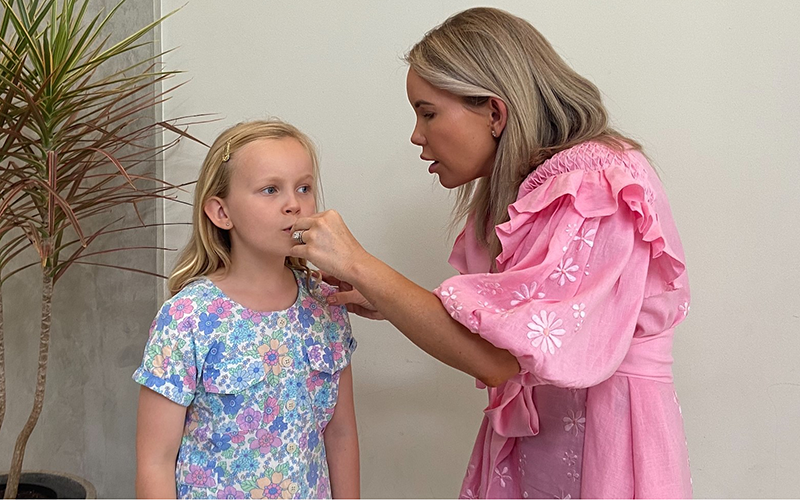
Researchers will be asking random households across metropolitan Perth to undertake COVID tests to reveal how much undetected infection is in the community.

West Australian children as young as Year 3 are now turning up to school in masks, presenting a new challenge for kids, parents and schools.

WA parents and carers can have confidence in sending their children back to school on January 31 with the measures outlined in today’s Safe Return to School Plan.
Researchers leading a study into COVID-19 vaccine hesitancy say a sub-group of people they’ve dubbed the ‘wait awhiles’