Search
Research
Australian hospital paediatricians and nurses’ perspectives and practices for influenza vaccine delivery in children with medical comorbiditiesInfluenza vaccination of children with medical comorbidities is critical due their increased risks for severe influenza disease. In Australia, hospitals are an avenue for influenza vaccine delivery to children with comorbidities but are not always effectively utilised. Qualitative enquiry sought to ascertainment the barriers and enablers for influenza vaccination recommendation, delivery, and recording of these children at Australian hospitals.
Research
Patient-reported outcome measures for paediatric acute lower respiratory infection studiesPatient-reported outcome measures (PROMs) are recommended for capturing meaningful outcomes in clinical trials. The use of PROMs for children with acute lower respiratory infections (ALRIs) has not been systematically reported. We aimed to identify and characterise patient-reported outcomes and PROMs used in paediatric ALRI studies and summarise their measurement properties.
Research
Infant, maternal and demographic predictors of delayed vaccination: A population-based cohort studyReceiving vaccines at or close to their due date (vaccination timeliness) is a now key measure of program performance. However, studies comprehensively examining predictors of delayed infant vaccination are lacking. We aimed to identify predictors of short and longer-term delays in diphtheria-tetanus-pertussis (DTP) vaccination by dose number and ethnicity.
Research
Whole-cell pertussis vaccine in early infancy for the prevention of allergyThis is a protocol for a Cochrane Review (intervention). The objectives were to assess the efficacy and safety of whole‐cell pertussis (wP) vaccinations in comparison to acellular pertussis (aP) vaccinations in early infancy for the prevention of atopic diseases in children.
Research
PCV10 elicits Protein D IgG responses in Papua New Guinean children but has no impact on NTHi carriage in the first two years of lifeNasopharyngeal colonisation with nontypeable Haemophilus influenzae (NTHi) is associated with development of infections including pneumonia and otitis media. The 10-valent pneumococcal conjugate vaccine (PCV10) uses NTHi Protein D (PD) as a carrier. Papua New Guinean children have exceptionally early and dense NTHi carriage, and high rates of NTHi-associated disease.
Research
Converting the maybes: Crucial for a successful COVID-19 vaccination strategyBroad community acceptance of a COVID-19 vaccination will be critical for effectively halting the spread of the virus. In this study, we focus on factors that differentiate those who are undecided from those who are either willing or unwilling to accept a prospective COVID-19 vaccine. An online survey in May 2020 assessed Australian adults' willingness to receive a COVID-19 vaccine (yes, maybe, no). A multinomial logistical regression of responses (N = 1,313) was used to identify correlates of vaccine willingness between the three groups.
Research
Poor treatment outcomes of children on highly active antiretroviral therapy: protocol for a systematic review and meta-analysisWhile access to highly active antiretroviral therapy (HAART) for children with HIV has expanded and the use of HAART has substantially reduced the morbidity and mortality of children due to HIV, poor treatment outcomes among children with HIV are still a major public health problem globally. The aim of this systematic review and meta-analysis is to quantify treatment outcomes among children with HIV.
Research
Global molecular diversity of RSV – the “INFORM RSV” studyRespiratory syncytial virus (RSV) is a global cause of severe respiratory morbidity and mortality in infants. While preventive and therapeutic interventions are being developed, including antivirals, vaccines and monoclonal antibodies, little is known about the global molecular epidemiology of RSV. INFORM is a prospective, multicenter, global clinical study performed by ReSViNET to investigate the worldwide molecular diversity of RSV isolates collected from children less than 5 years of age.
Research
SMART Work Design: Accelerating the Diagnosis of Rare Diseases in the Western Australian Undiagnosed Diseases ProgramThe accurate and efficient diagnosis of rare diseases, many of which include congenital anomalies, depends largely on the specialists who diagnose them - including their ability to work alongside specialists from other fields and to take full advantage of cutting-edge precision medicine technologies and precision public health approaches.
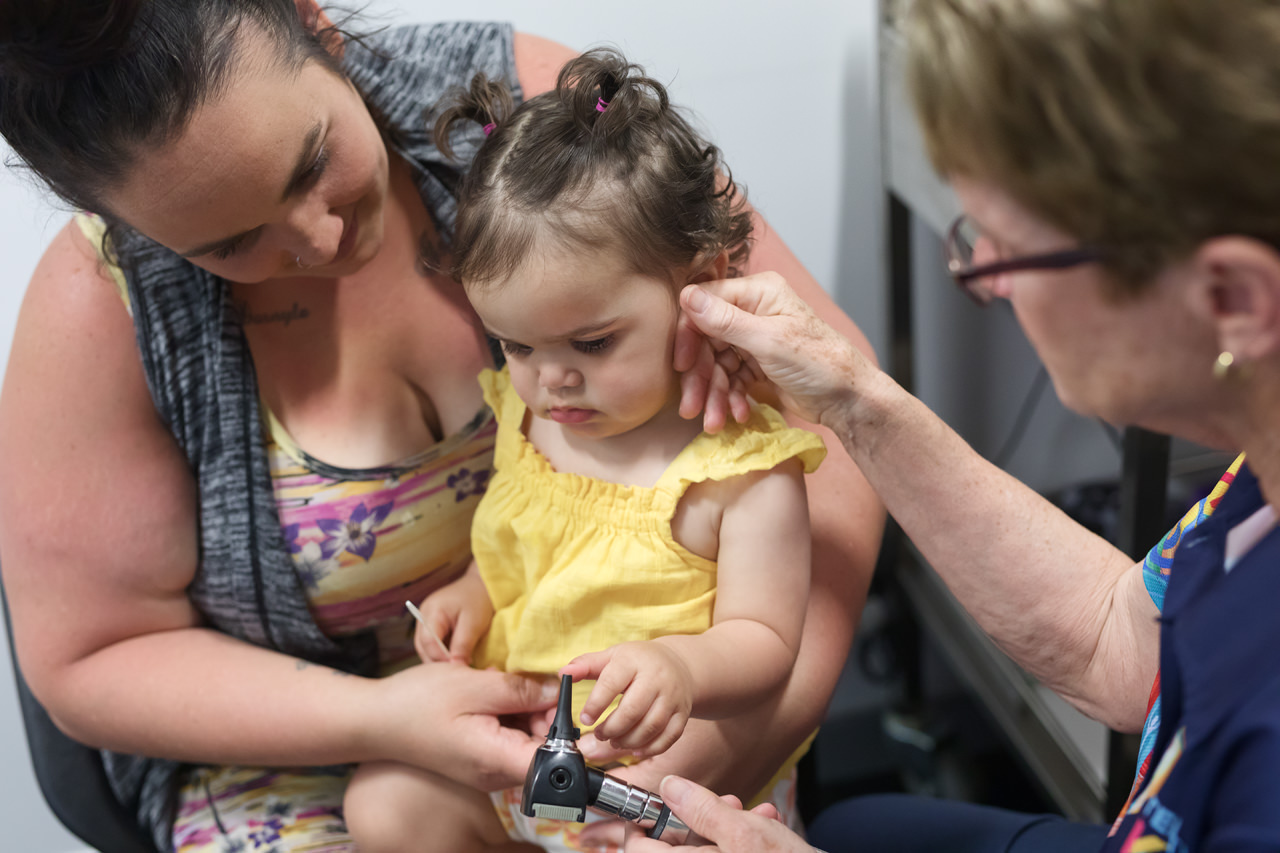
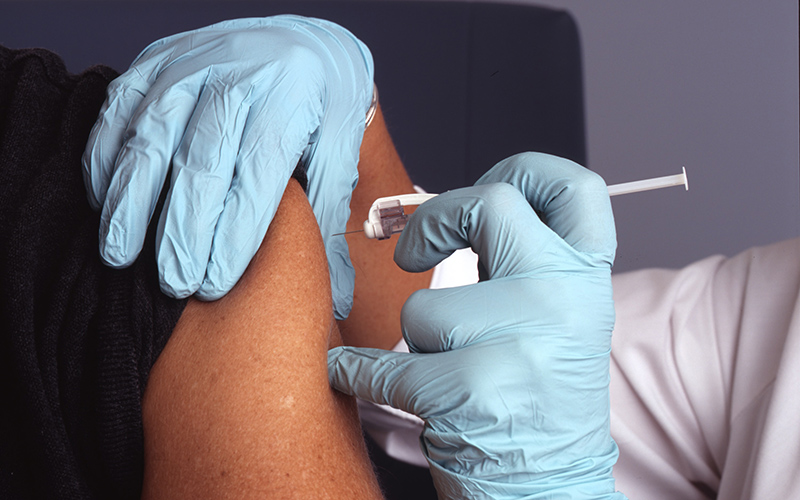
We are evaluating new vaccines for a range of diseases including influenza, pneumococcal, meningococcal and common infections such as otitis media (glue ear).