
Search
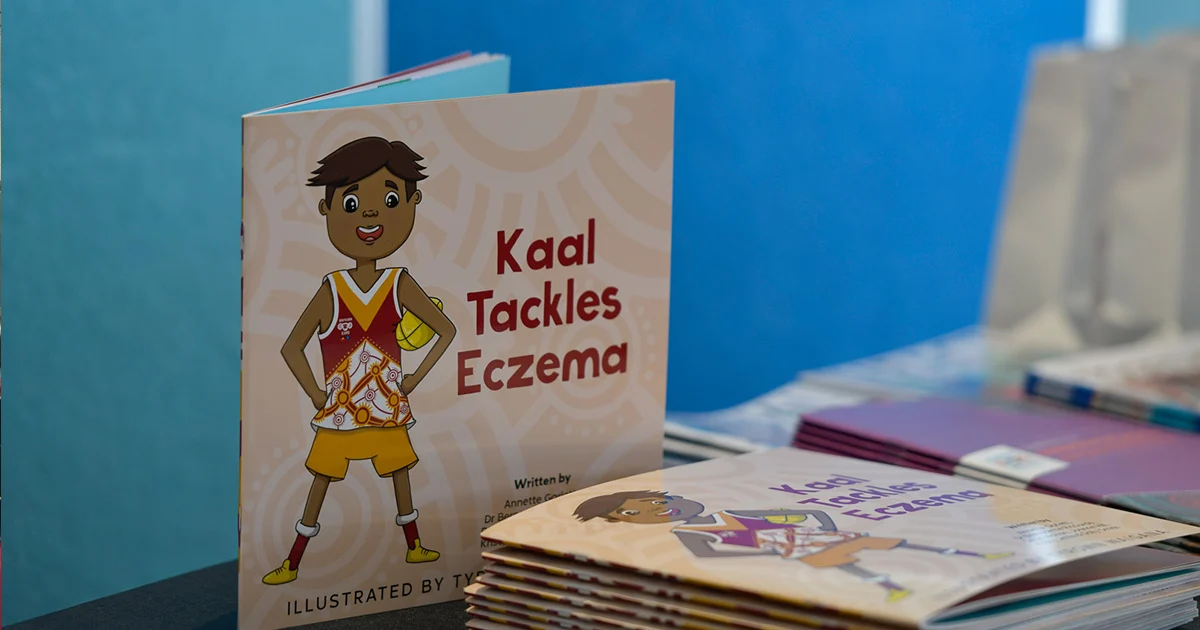
In close partnership with Aboriginal Elders and community members in Western Australia's south-west, we created ‘Kaal Tackles Eczema’, a children’s book to help Aboriginal families manage eczema. Our research showed a high prevalence and need for culturally relevant resources. The book uses Noongar language and art to educate and reduce infections, and is available online and in schools.
Cancers in children are very different from cancers in adults - in most cases they appear to strike simply at random. They also develop differently and can spread more rapidly and aggressively. And because cancers in children are not obviously linked to their lifestyles, much work is needed to pinpoint their cause.
Characterised by varying degrees of difficulties in communication skills and social abilities, one in every 100 individuals will have a diagnosis of an autism spectrum condition. While autism is known to run in families, the exact causes remain unknown.
Developmental Coordination Disorder is a lifelong disability impacting most aspects of daily living that involve movement. With an estimated prevalence of ~5% of children, the disorder affects an average of one to two children in every Australian classroom.
One in eight children have asthma, a chronic disease of the airways in the lungs. It results in shortness of breath, chest tightness, wheezing and coughing.
Bronchiolitis is a respiratory infection, usually occurring in babies under six months of age. It causes them to wheeze and can lead to pneumonia. Researchers are focusing on vaccines against the virus which commonly causes it.
Even in the safety of their home, there are many risky places a child or teenager can visit online. This can be due to the content they see, who they come into contact with, and personal information they share.
Every child deserves the best possible start in life. Evidence demonstrates the period from pre-birth to three years is a vital period of development. It lays the foundations for a child’s future and has life-long impacts on health, education, job opportunities, social inclusion and wellbeing.
The importance of play for a child’s development is irrefutable. Playgroups provide a safe environment for children of similar ages to play and develop prior to starting school.
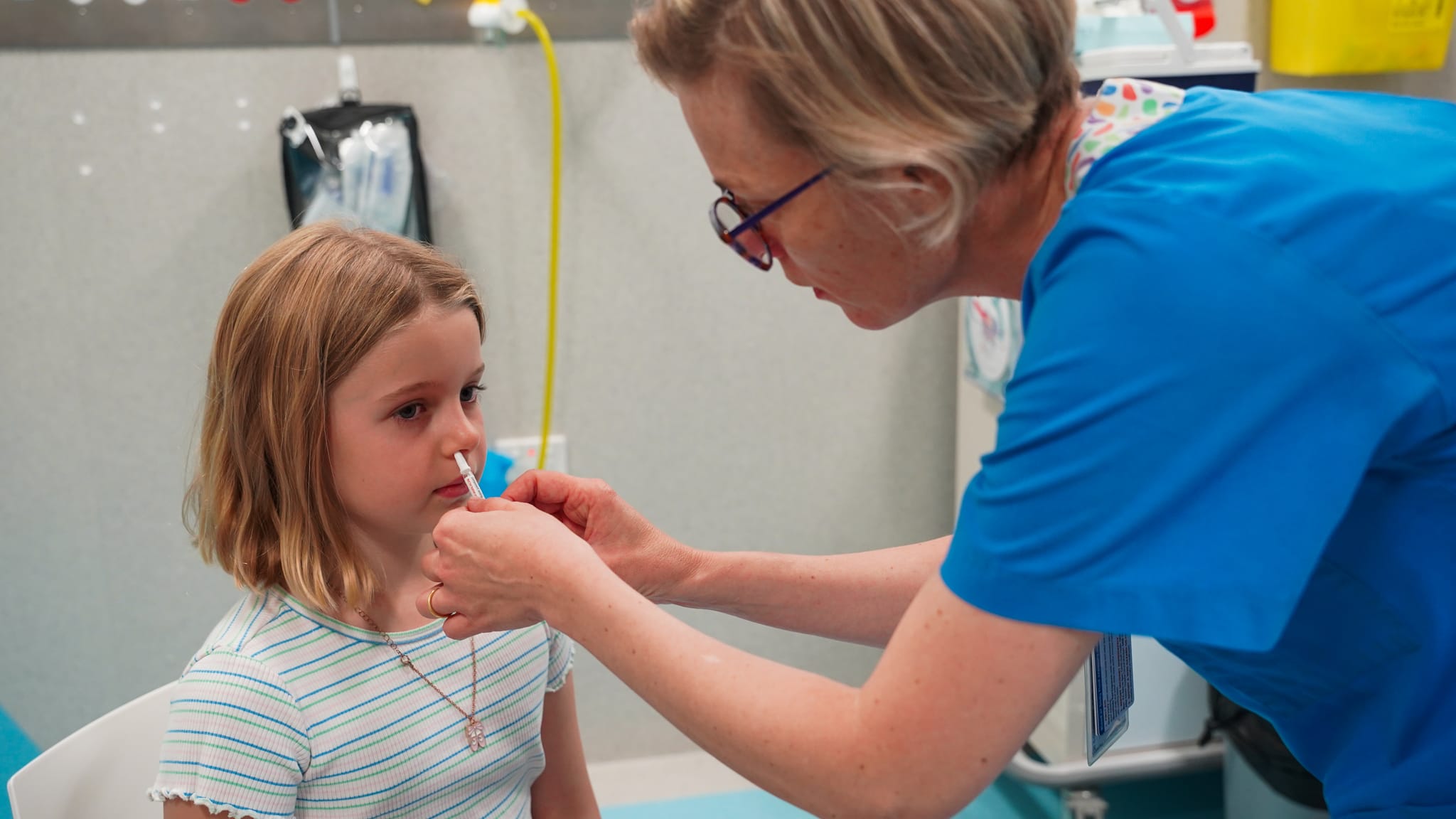
Influenza (commonly known as the flu) is caused by a highly contagious virus spread mainly through coughing and sneezing. An annual flu vaccination is the most effective way to prevent flu outbreaks.