
Search
Screen time guidelines recommend no screens under two years due to the potential negative impacts on development. While current reports suggest many children exceed this, research relies on parent reports of their children's screen exposure. We objectively assess screen exposure during the first two years and how it differs by maternal education and gender.
A balanced approach toward sun exposure and protection is needed by young people. Excessive sun exposure increases their risk for skin cancers such as melanoma, whereas some exposure is necessary for vitamin D and healthy bones. We have developed a new iOS smartphone app-Sun Safe-through a co-design process, which aims to support healthy and balanced decision-making by young teenagers (aged 12-13 years).
This study explores how the first wave of the COVID‐19 pandemic influenced family routines, relationships and technology use (smartphones and tablet computers) among families with infants. Infancy is known to be an important period for attachment security and future child development, and a time of being susceptible to changes within and outside of the family unit.
This study explores how the first wave of the COVID‐19 pandemic influenced family routines, relationships and technology use (smartphones and tablet computers) among families with infants. Infancy is known to be an important period for attachment security and future child development, and a time of being susceptible to changes within and outside of the family unit.
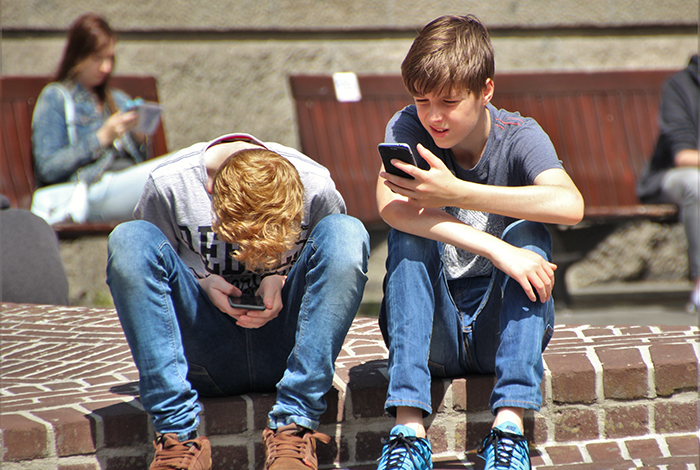
The Kids Research Institute Australia cyber safety expert Professor Donna Cross says parents should use the ‘three C’s’ to help keep their children safe online.
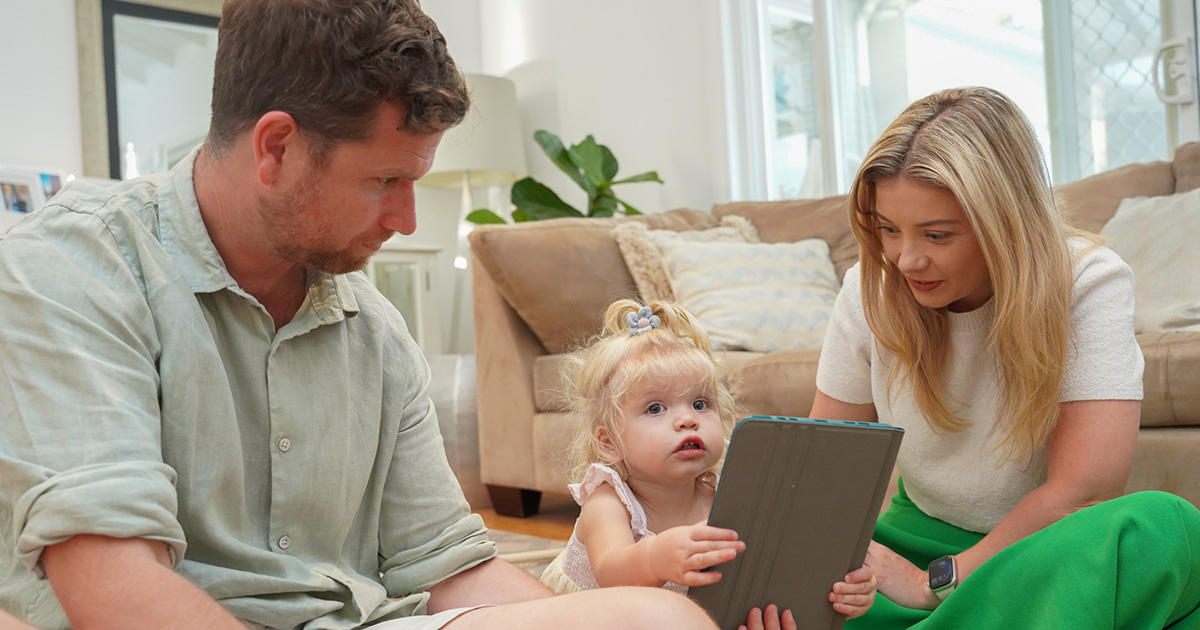
A first-of-its kind study has found that for every minute of screen time toddlers are exposed to at home, they hear fewer adult words, make fewer vocalisations and engage in fewer back-and-forth conversations with their parents.

A study of ORIGINS families has revealed a positive aspect to the COVID pandemic, with families found to benefit from the extra time together during lockdowns and mobile devices proving useful for helping them stay in touch with extended family and friends and for activities such as online classes.
Australian parents have a new weapon in the battle to keep their kids safe online with the launch of ‘Beacon’.
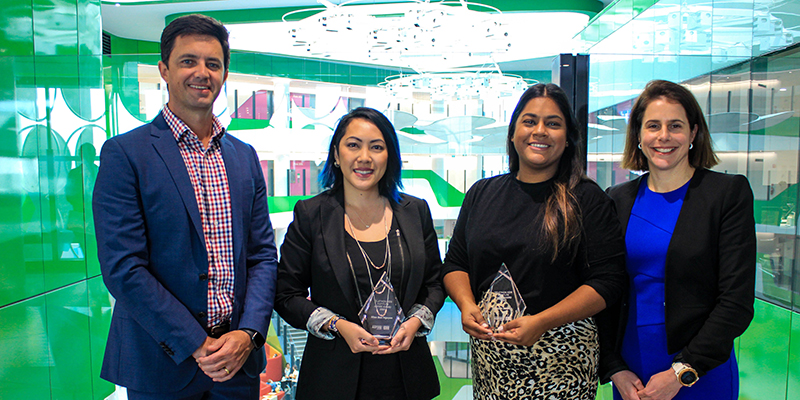
Two of The Kids Research Institute Australia’s best and brightest will share in $10,000 of funding to use for investment in their professional growth through attendance at an international conference, when safe to do so.
Around the world, adolescents are more digitally connected than ever, and access to digital devices has become a lightning rod of conflict in many homes. To date, research on best practices in digital parenting has been hampered by the absence of a well validated measure that reflects the mutli-faceted realities of parenting in the contemporary digital age.