
Search
Mitochondrial energy metabolism plays an important role in the pathophysiology of insulin resistance. Recently, a missense N437S variant was identified in the MRPP3 gene, which encodes a mitochondrial RNA processing enzyme within the RNase P complex, with predicted impact on metabolism. We used CRISPR-Cas9 genome editing to introduce this variant into the mouse Mrpp3 gene and show that the variant causes insulin resistance on a high-fat diet.

Head, Epigenetics

Honorary Research Associate
Trailblazing Aboriginal doctor and health researcher Professor Alex Brown has been made a Fellow of the Australian Academy of Technological Sciences and Engineering (ATSE) in recognition of his leadership in ensuring Indigenous peoples are at the forefront of genomics efforts nationally and internationally.

A national alliance of the brightest minds in genomic science, academia, policy makers, industry and Indigenous leaders will work to break down barriers to ensure Aboriginal and Torres Strait Islander people can benefit from advances in genomic medicine if they choose.
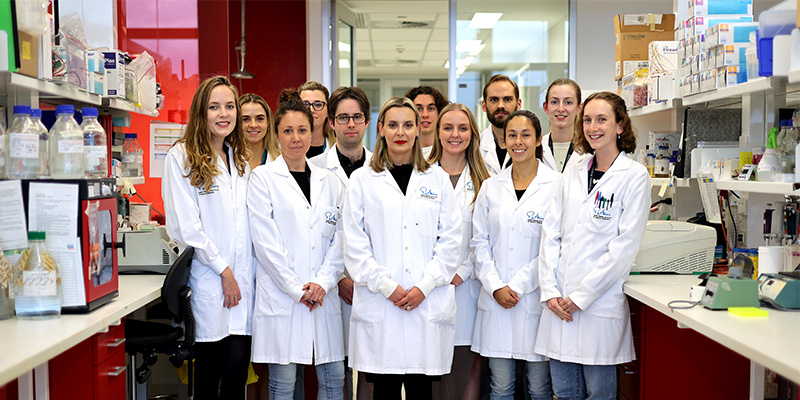
Aleksandra Filipovska has been elected a Fellow of the Australian Academy of Health and Medical Sciences.

A new national network will be established to advance the benefits from Genomic Medicine for Aboriginal and Torres Strait Islander people living in Australia.
Acute lymphoblastic leukaemia is a highly heterogeneous malignancy characterised by various genomic alterations that influence disease progression and therapeutic outcomes. Gene fusions involving the immunoglobulin heavy chain gene represent a complex and diverse category.
Childhood is a critical period of immune development. During this time, naïve CD4 T cells undergo programmed cell differentiation, mediated by epigenetic changes, in response to external stimuli leading to a baseline homeostatic state that may determine lifelong disease risk. However, the ontogeny of epigenetic signatures associated with CD4 T cell activation during key developmental periods are yet to be described.
The search for novel microRNA (miRNA) biomarkers in plasma is hampered by haemolysis, the lysis and subsequent release of red blood cell contents, including miRNAs, into surrounding fluid. The biomarker potential of miRNAs comes in part from their multicompartment origin and the long-lived nature of miRNA transcripts in plasma, giving researchers a functional window for tissues that are otherwise difficult or disadvantageous to sample.