
Search
The immunological changes underpinning acquisition of remission (also called sustained unresponsiveness) following food immunotherapy remain poorly defined. Limited access to effective therapies and biosamples from treatment responders has prevented progress. Probiotic peanut oral immunotherapy is highly effective at inducing remission, providing an opportunity to investigate immune changes.
Penicillin allergy accounts for the majority of all reported adverse drug reactions in adults and children. Foregoing first-line antibiotic therapy due to penicillin allergy label is associated with an increased prevalence of infections by resistant organisms and longer hospitalisation.
Excessive production, secretion, and retention of abnormal mucus is a pathological feature of many obstructive airways diseases including asthma. Azithromycin is an antibiotic that also possesses immunomodulatory and mucoregulatory activities, which may contribute to the clinical effectiveness of azithromycin in asthma.
The dramatic increase in the prevalence of allergic disease in recent decades reflects environmental and behavioural changes that have altered patterns of early immune development. The very early onset of allergic diseases points to the specific vulnerability of the developing immune system to environmental changes and the development of primary intervention strategies is crucial to address this unparalleled burden.
Studies examining associations of early-life cat and dog ownership with childhood asthma have reported inconsistent results. Several factors could explain these inconsistencies, including type of pet, timing, and degree of exposure. Our aim was to study associations of early-life cat and dog ownership with asthma in school-aged children, including the role of type (cat vs dog), timing (never, prenatal, or early childhood), and degree of ownership (number of pets owned), and the role of allergic sensitization.
Previous reports suggested that food proteins present in human milk (HM) may trigger symptoms in allergic children during breastfeeding, but existing evidence has never been reviewed systematically.
The burden of IgE-mediated food allergy in Australian born children is reported to be among the highest globally. This illness shares risk factors and frequently coexists with asthma, one of the most common noncommunicable diseases of childhood.
Atopic diseases are the most common chronic conditions of childhood. The apparent rise in food anaphylaxis in young children over the past three decades is of particular concern, owing to the lack of proven prevention strategies other than the timely introduction of peanut and egg.

New research from The Kids Research Institute Australia suggests a simple dietary intervention during pregnancy could help protect against the increased risk of food allergies associated with antibiotics taken before birth.
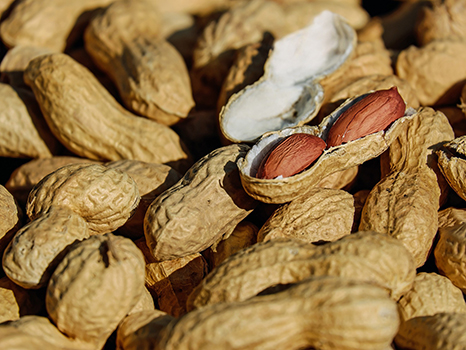
An Australian research team – led by Murdoch Children’s Research Institute and including researchers from The Kids Research Institute Australia, Perth Children’s Hospital and The University of Western Australia – has discovered two peanut allergy treatments for children that are both highly effective at induc