
Search
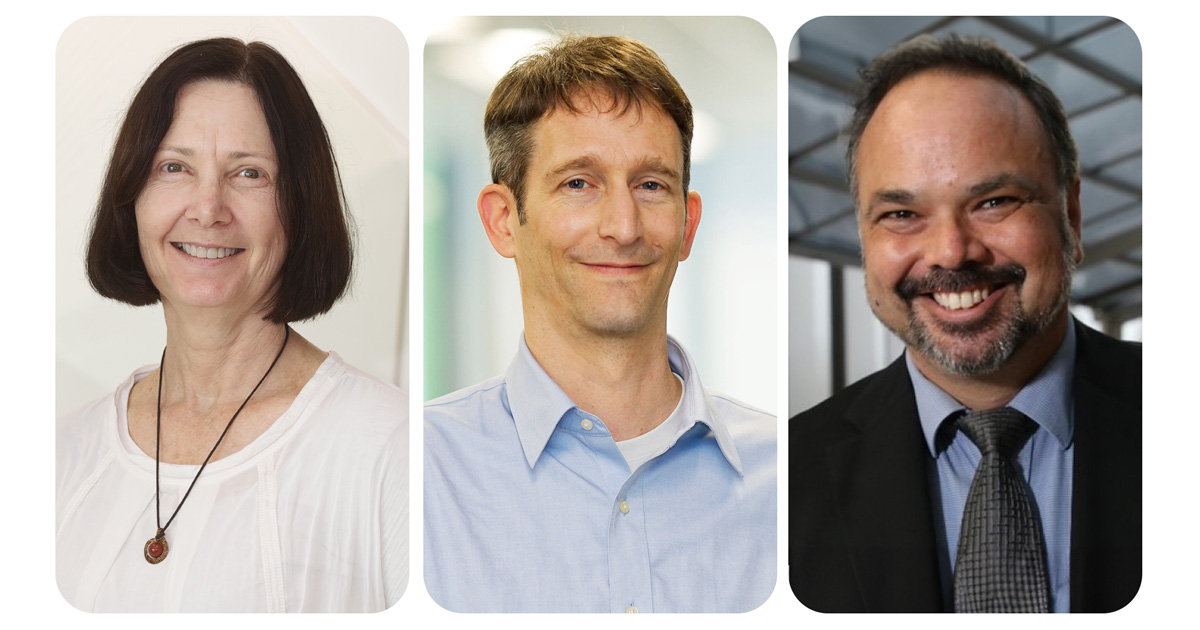
Research that screens novel genetic variants identified in disease will be fast-tracked by a funding boost, offering new hope of an early diagnosis for families of children with a rare or undiagnosed genetic disease.

One of the researchers who helped crack the code of 10-year-old Northam girl Charlotte Patterson’s incredibly rare disease has received State Government funding that will allow her to use the same methods to rapidly assess the cases of hundreds more patients living with undiagnosed disease.
Citation: MacDonald B, Burmaz M, Baker S, et al. TrialR: critical enablers and the need for reusable Rare Disease Clinical Trial infrastructure in
There is a greater prevalence of multiple sclerosis (MS), a neurological autoimmune condition, in populations living further from the equator, hypothesised to be due to reduced sunlight exposure. There exists a proven sunlight surrogate therapy for dermatological inflammatory conditions, in the form of narrowband NB-UVB phototherapy. Yet, there is a paucity of randomized trials of the therapeutic delivery of NB-UVB beyond dermatology for conditions with a systemic inflammatory component.
The diagnostic odyssey for people living with rare diseases (PLWRD) is often prolonged for myriad reasons including an initial failure to consider rare disease and challenges to systemically and systematically identifying and tracking undiagnosed diseases across the diagnostic journey.
Risk factors for non-communicable diseases (NCDs, cardiovascular diseases, cancers, chronic respiratory diseases, diabetes, and mental disorders) arise in adolescence but are mostly framed as relevant to health in adulthood; little is known about the relationship between co-occurring NCD risks and mental wellbeing in young people.
In recent years, a small number of people with rare diseases caused by unique genetic variants have been treated with therapies developed specifically for them. This pioneering field of genetic N-of-1 therapies is evolving rapidly, giving hope for the individualized treatment of people living with very rare diseases.