
Search
Asthma is the most common chronic lung disease in childhood. There has been a significant worldwide effort to develop tools/methods to identify children's risk for asthma as early as possible for preventative and early management strategies. Unfortunately, most childhood asthma prediction tools using conventional statistical models have modest accuracy, sensitivity, and positive predictive value.
Surfactant, which was first identified in the 1920s, is pivotal to lower the surface tension in alveoli of the lungs and helps to lower the work of breathing and prevents atelectasis. Surfactant proteins, such as surfactant protein B and surfactant protein C, contribute to function and stability of surfactant film.
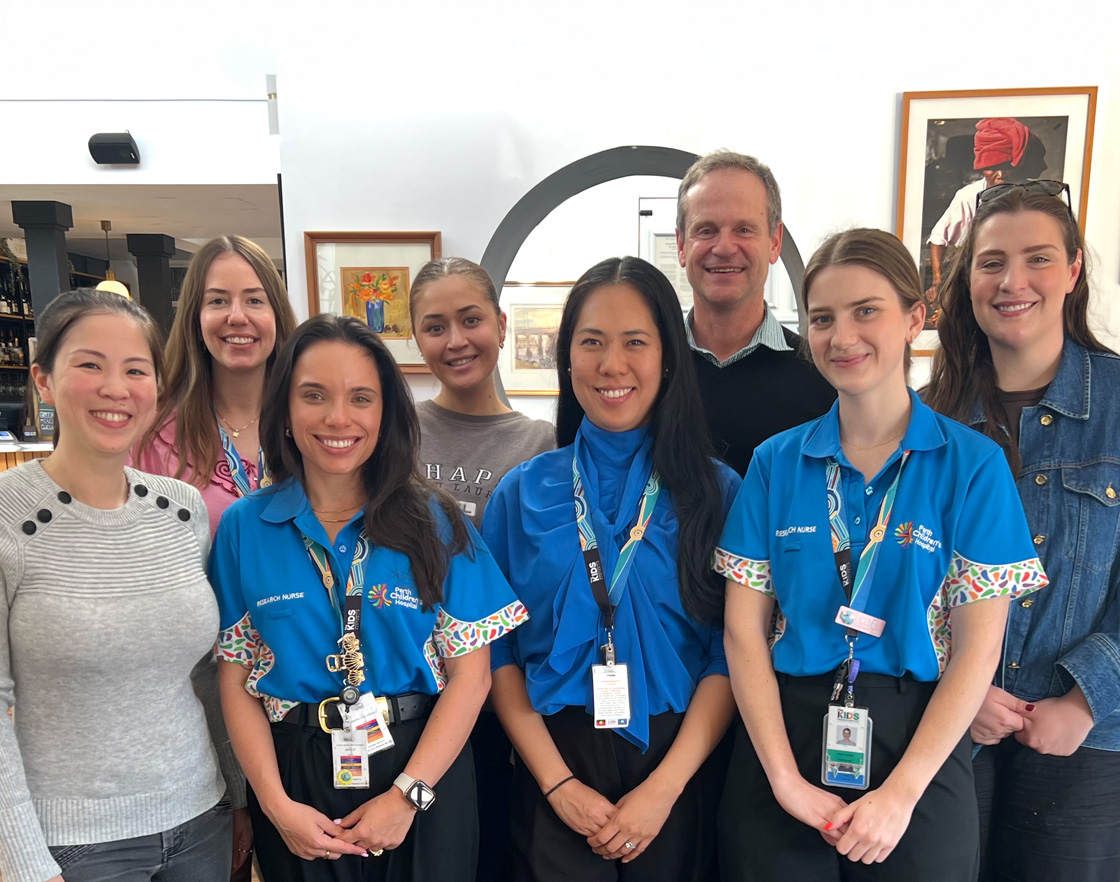
Our team aims to optimise lung health early in life to ensure the best possible health outcomes later in life.
Sputum induction is widely used in clinical settings for collection of biological samples from the lower airways. However, in recent years sputum induction has been associated with serious adverse events and even death. This position statement was commissioned by the Thoracic Society of Australia and New Zealand to address major adverse events of two deaths associated with sputum induction that have occurred in Australia in 2021, and outlines best practice for the safe use of sputum induction.
Described antimicrobial resistance mechanisms enable bacteria to avoid the direct effects of antibiotics and can be monitored by in vitro susceptibility testing and genetic methods. Here we describe a mechanism of sulfamethoxazole resistance that requires a host metabolite for activity.
In children, chronic wet cough may be a sign of underlying lung disease, including protracted bacterial bronchitis (PBB) and bronchiectasis. Chronic (> 4 weeks in duration) wet cough (without indicators pointing to alternative causes) that responds to antibiotic treatment is diagnostic of PBB. Timely recognition and management of PBB can prevent disease progression to irreversible bronchiectasis with lifelong consequences. However, detection and management require timely health-seeking by carers and effective management by clinicians.
Aboriginal children hospitalised with acute lower respiratory infections (ALRIs) are at-risk of developing bronchiectasis, which can progress from untreated protracted bacterial bronchitis, often evidenced by a chronic (>4 weeks) wet cough following discharge. We aimed to facilitate follow-up for Aboriginal children hospitalised with ALRIs to provide optimal management and improve their respiratory health outcomes.
André Schultz MBChB, PhD, FRACP Head, BREATH Team Head, BREATH Team Prof André Schultz is the Head, BREATH Team at The Kids Research Institute
As both bronchiolitis and bronchiectasis are diseases of the airway surface, we will comprehensively study the airway surface and factors affecting the airway surface in infants hospitalised with bronchiolitis.
Childhood asthma begins as wheeze (a whistling sound produced by the airways during breathing) during preschool age.