Skip to content

Search

An investigation of adherence to best practice guidelines for autism diagnosis in New Zealand

Many clinicians in New Zealand do not follow guidelines for best practice in autism diagnosis. In this study, we investigated the processes that health professionals in New Zealand follow when diagnosing autistic children and adults. We asked 117 health professionals from a range of services and regions in New Zealand, how they identify and diagnose autism.

What Influences Decision-Making for Cochlear Implantation in Adults? Exploring Barriers and Drivers From a Multistakeholder Perspective

To explore the factors influencing the uptake of cochlear implants in adults, determine the impact of each factor, and to conceptualize the journey to implantation from a multistakeholder perspective. Concept mapping was used to integrate input from multiple stakeholders, each with their own experience and expertise.

Brain-behavior links in autism spectrum disorder across the lifespan

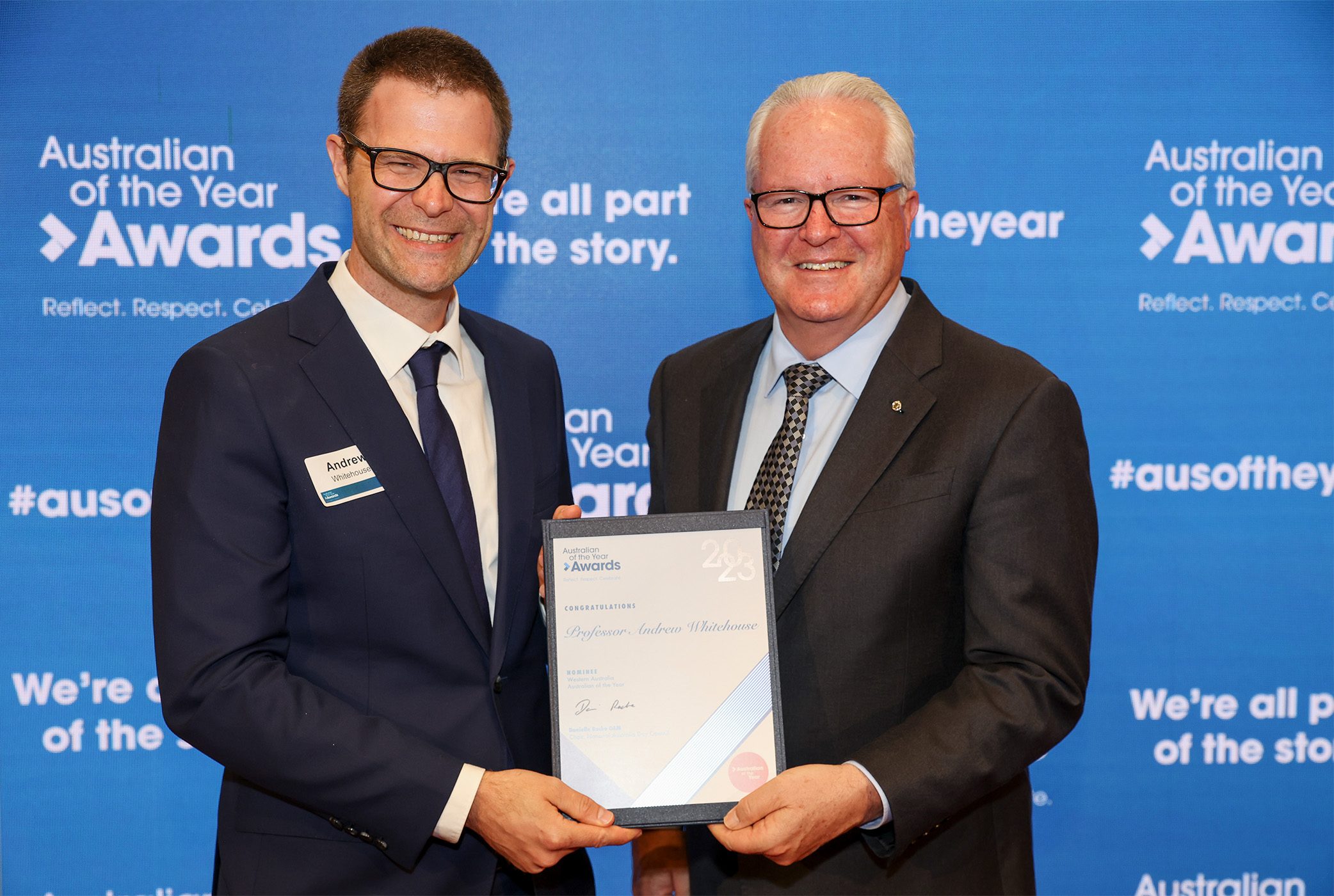
Andrew Videos Whitehouse Watch and listen to Andrew PhD Deputy Director (Research); Angela Wright Bennett Professor of Autism Research at The Kids

An evidence-based framework for determining the optimal amount of intervention for autistic children

The provision of timely, effective, and socially valid non-pharmacological intervention is at the core of efforts to support the development of young autistic children. These efforts are intended to support children to develop skills, empower their caregivers, and lay the foundation for optimal choice, independence, and quality of life into adulthood.

Developmental Vitamin D Deficiency in Pregnant Rats Does Not Induce Preeclampsia

Preeclampsia is a pregnancy disorder characterized by hypertension. Epidemiological studies have associated preeclampsia with an increased risk of neurodevelopmental disorders in offspring, such as autism and schizophrenia. Preeclampsia has also been linked with maternal vitamin D deficiency, another candidate risk factor also associated with autism.

Co-design of a neurodevelopment assessment scale: A study protocol

Neurodevelopmental disorders are a heterogeneous group of conditions with overlapping symptomatology and fluctuating developmental trajectories that transcend current diagnostic categorisation. There is a need for validated screening instruments which dimensionally assess symptomatology from a holistic, transdiagnostic perspective.

Potential role for immune-related genes in autism spectrum disorders: Evidence from genome-wide association meta-analysis of autistic traits

Autism spectrum disorders are complex, with a strong genetic basis. Genetic research in autism spectrum disorders is limited by the fact that these disorders are largely heterogeneous so that patients are variable in their clinical presentations. To address this limitation, we investigated the genetics of individual dimensions of the autism spectrum disorder phenotypes, or autistic-like traits. These autistic-like traits are continuous variations in autistic behaviours that occur in the general population.

The effect of oxytocin nasal spray on social interaction in young children with autism: a randomized clinical trial

Early supports to enhance social development in children with autism are widely promoted. While oxytocin has a crucial role in mammalian social development, its potential role as a medication to enhance social development in humans remains unclear.

Harmonized Phenotypes for Anxiety, Depression, and Attention-Deficit Hyperactivity Disorder (ADHD)

In multi-cohort consortia, the problem often arises that a phenotype is measured using different questionnaires. This study aimed to harmonize scores based on the Child Behaviour Check List (CBCL) and the Strength and Difficulties Questionnaire (SDQ) for anxiety/depression and ADHD.

The Effects of Using the Sun Safe App on Sun Health Knowledge and Behaviors of Young Teenagers: Results of Pilot Intervention Studies

A balanced approach toward sun exposure and protection is needed by young people. Excessive sun exposure increases their risk for skin cancers such as melanoma, whereas some exposure is necessary for vitamin D and healthy bones. We have developed a new iOS smartphone app-Sun Safe-through a co-design process, which aims to support healthy and balanced decision-making by young teenagers (aged 12-13 years).