Skip to content

Search

Lung volumes, gas transfer and oscillometry after preterm birth: systematic review and meta-analysis

Small airway and lung parenchymal abnormalities frequently occur following preterm birth but are commonly missed by spirometry. Static lung volumes, diffusing capacity of the lung for carbon monoxide (D LCO) and oscillometry provide a more precise characterisation of these conditions. We hypothesised that differences in these measures exist between individuals born preterm and at term and we aimed to systematically review the literature to identify and quantify these differences in lung function.

Thoracic Society of Australia and New Zealand (TSANZ) Guidance for the Management of Electronic Cigarette Use (Vaping) in Adolescents and Adults

Electronic cigarette use, especially among younger members of society, has grown to concerning levels in many countries, including Australia and New Zealand. Uptake in the general population, driven by technological and pharmacological innovations, and accelerated by aggressive tobacco/vaping industry marketing, has outpaced medical research. 

Considerations for Causal Inference Studies

Rachel Foong BSc (hons), PhD, MBiostat Honorary Research Associate 08 6319 1626 Rachel.Foong@thekids.org.au Senior Research Fellow Dr Foong is an

Streptococcus pyogenes Surveillance Through Surface Swab Samples to Track the Emergence of Streptococcal Toxic Shock Syndrome in Rural Japan

Japan recently experienced a record surge in streptococcal toxic shock syndrome. Our environmental surveillance study reveals that Streptococcus pyogenes persists seasonally, peaking in autumn and winter in rural Japan. The dominant emm1 M1UK sublineage and csrS mutations heighten virulence, highlighting the urgent need for targeted surveillance and interventions.

Complete genome sequence of Burkholderia cenocepacia bacteriophage Karil-mokiny-1

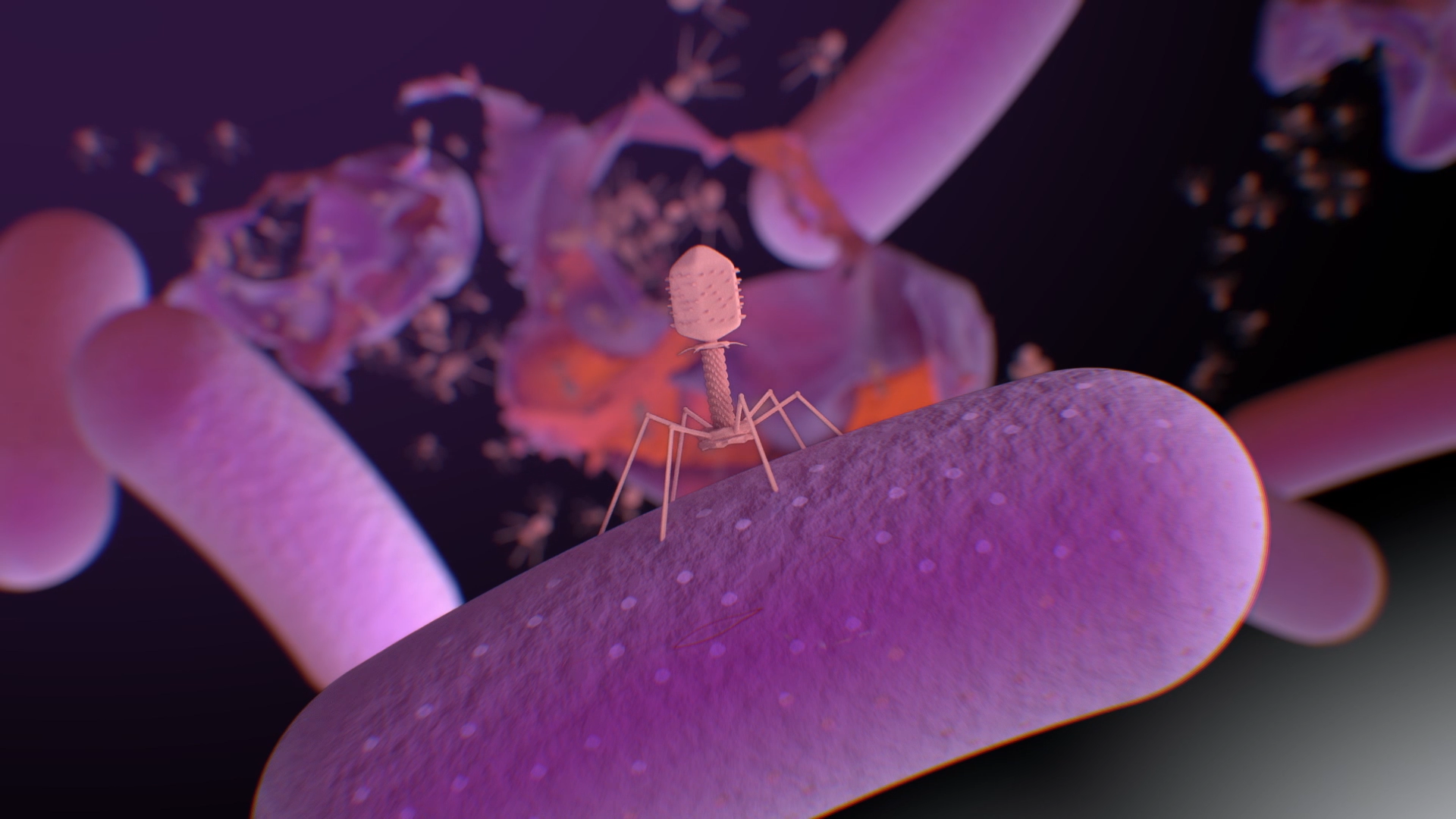
Burkholderia cepacia complex causes life-threatening respiratory infections. Here, a bacteriophage with activity against B. cenocepacia was isolated from wastewater. It has a genome size of 70,144 bp and has the taxonomic classification Irusalimvirus. It has no genes associated with lysogeny, bacterial resistance, or virulence. 

Lytic activity, stability, biofilm disruption capabilities and genomic characterisation of two bacteriophages active against respiratory MRSA

This study aimed to characterise bacteriophages for potential therapeutic use against Staphylococcus aureus, focusing on clinical respiratory isolates of methicillin-sensitive (MSSA) and methicillin-resistant (MRSA) strains. Specifically, it sought to evaluate phage lytic activity, host range, stability, biofilm disruption capabilities, and overall safety for therapeutic use.

In utero and early-life nitrate in drinking water impacts lung function of weanling rats

Consumption of nitrate in drinking water has previously been associated with a range of adverse health effects, including methemoglobinemia and potentially cancer. In animal models, it has been shown to impact respiratory structure and function, however, there is a paucity of data of the effects of in utero exposure on the respiratory health of offspring.

Pre-Post Intervention to Strengthen and Sustain the Paediatric ESCALATION System (The SPECS): Study Protocol

Promptly recognising changes in an acutely unwell child’s condition is fundamental to prevent tragic outcomes. Western Australian (WA) healthcare facilities used inconsistent and varied paediatric early warning systems. To improve care consistency, a standardised ESCALATION system, inclusive of family involvement and sepsis recognition, was developed.

Partial amelioration of a chronic cigarette-smoke-induced phenotype in mice by switching to electronic cigarettes

Electronic cigarettes ("e-cigarettes") are often marketed as smoking cessation tools and are used by smokers to reduce/quit cigarette smoking. The objective of this study was to assess the health effects of switching to e-cigarettes after long-term smoking in a mouse model and compare these effects with continued smoking, or quitting entirely. 

Pulmonary bacteriophage and cystic fibrosis airway mucus: friends or foes?

For those born with cystic fibrosis (CF), hyper-concentrated mucus with a dysfunctional structure significantly impacts CF airways, providing a perfect environment for bacterial colonization and subsequent chronic infection. Early treatment with antibiotics limits the prevalence of bacterial pathogens but permanently alters the CF airway microenvironment, resulting in antibiotic resistance and other long-term consequences.