
Search
The objective of this study was to investigate whether maternal coffee and/or tea consumption during the last 6 months of pregnancy was associated with risk...
With improvement in leukemia therapy, central nervous system (CNS) tumors are the leading cause of cancer mortality in children and the most expensive...
The Australian Study of Causes of Acute Lymphoblastic Leukemia in Children (Aus-ALL) was designed to test the hypothesis, raised by a previous Western Australia
Anti-cancer chemotherapy can be simultaneously lymphodepleting and immunostimulatory.
The relation between intrauterine growth and risk of childhood acute lymphoblastic leukemia was investigated in an Australian population-based case-control...
Glucocorticoids (GCs) are among the most important drugs for the treatment of acute lymphoblastic leukaemia (ALL).
Effective antitumor CD8 T cell responses may be activated by directly targeting the innate immune system within tumors.
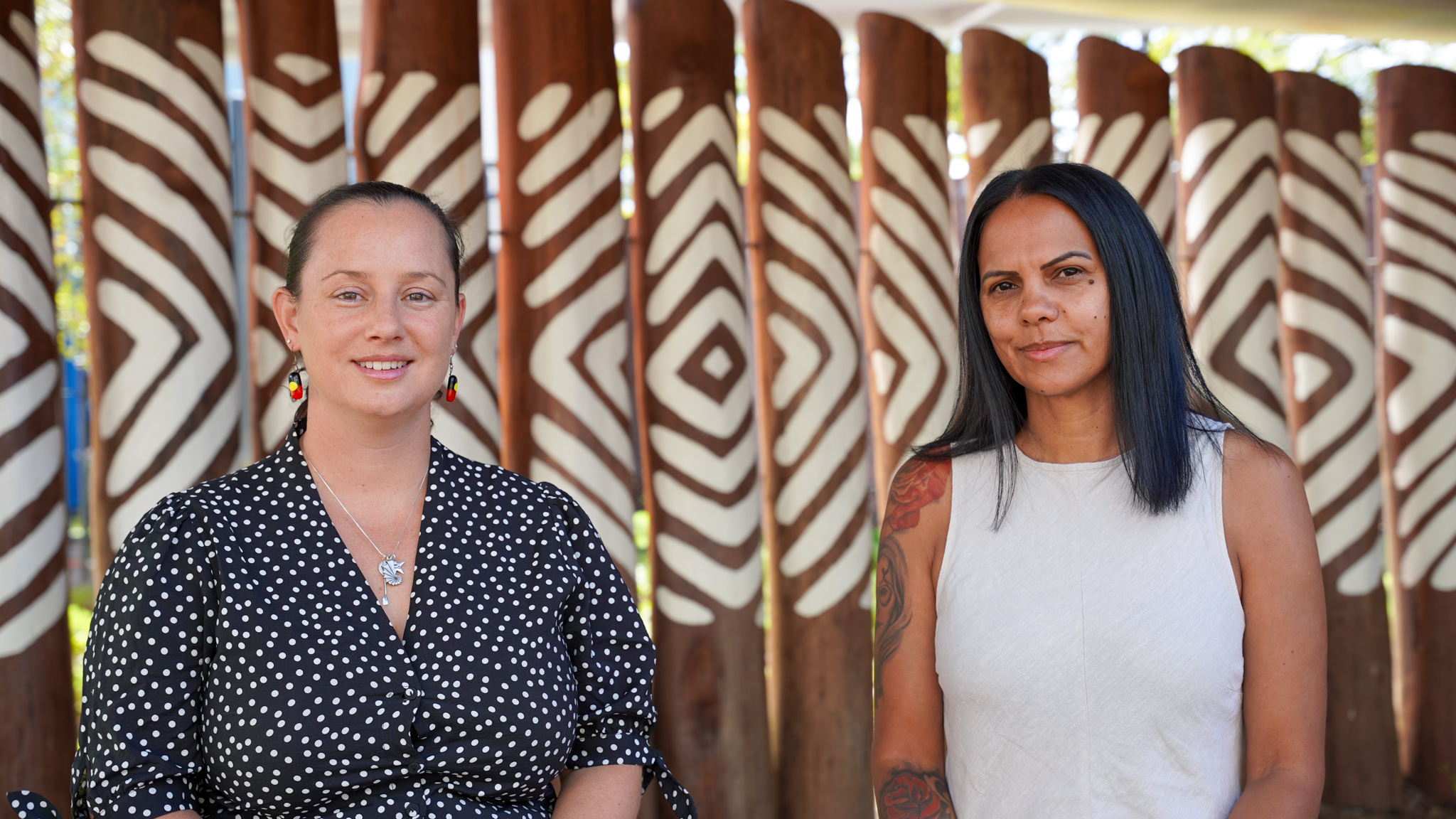
A first of its kind research program at The Kids Research Institute Australia aims to develop new strategies to better treat Aboriginal and Torres Strait Islander children with cancer.
Ewing Sarcoma of the pelvis has poorer outcomes than other anatomical sites, with complex anatomy often precluding resection with wide margins. The role of postoperative radiotherapy (RT) in improving outcomes remains undefined. A systematic review using Medline, Embase and Cochrane databases (1972-April 2024) evaluated postoperative RT's impact on local recurrence, event-free survival and overall survival. Twenty-nine retrospective studies (21 to 296 patients) met inclusion criteria, with 28 rated good quality.
Our goal was to explore and compare risk factors, patterns of management and survival outcomes in Indigenous compared with non-Indigenous Australian patients using the Victorian Lung Cancer Registry.