
Search
Research
Using continuous glucose monitoring to detect early dysglycaemia in children participating in the ENDIA study (Sub Protocol)Aveni Liz Haynes Davis BA (Hons), MBBChir, MA (Cantab), PhD MBBS FRACP PhD Principal Research Fellow Co-director of Children’s Diabetes Centre
Research
Using Systems Biology to understand asthma exacerbations and develop better treatmentsAlexander Anthony Deborah Emma Pat Larcombe Kicic Strickland de Jong Holt BScEnv (Hons) PhD BSc (Hons) PhD PhD PhD, DSc, FRCPath, FRCPI, FAA Honorary
Research
Western Australia Paediatric Bronchiectasis CohortBronchiectasis is a chronic lung disease that impairs quality of life and reduces life expectancy.
Research
What is triggering immune reactions in people with MS?Multiple sclerosis (MS) is a condition where a person's immune system attacks the brain and spinal cord.
Research
Working Towards a Better Understanding of ARFGoal: Characterize the pattern of contemporary and endemic ARF and develop a biological signature to improve sensitivity and specificity of ARF diagnosis.
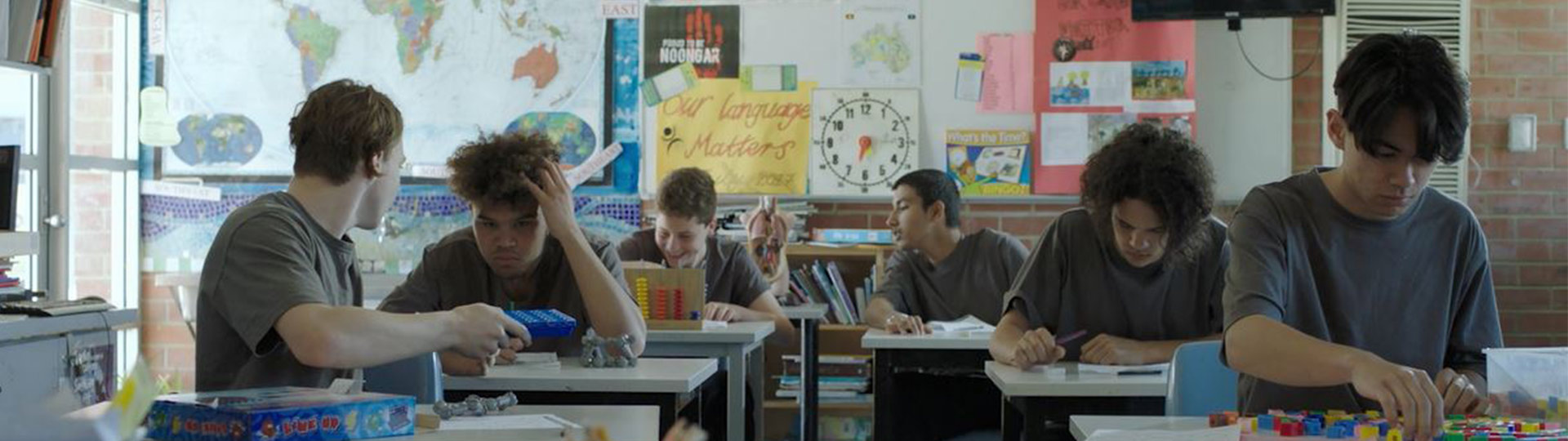
Recognise. Reframe. Respond.
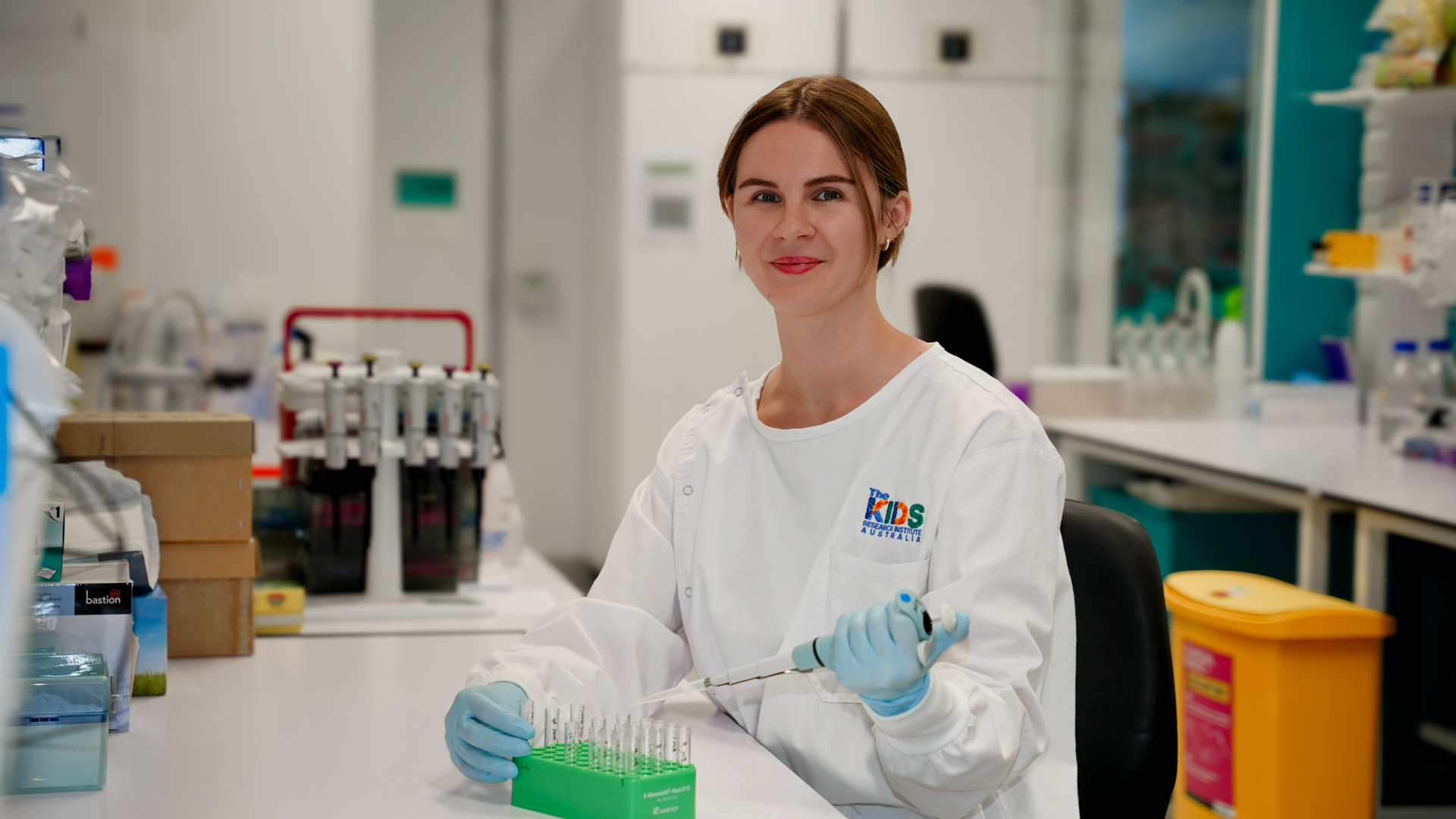
The Kids Research Institute Australia’s annual Prospective Student Evening is an opportunity for students considering Honours, Masters, MDs, or PhDs to learn about what it would mean to work on a project based at the Institute.

At The Kids Research Institute Australia our researchers are searching for answers to improve the health and wellbeing of children and families.
Research
A randomised-controlled trial of a parent-mediated intervention for managing uncertainty in young children diagnosed on the autism spectrumGail Andrew Videos Alvares Whitehouse Watch and listen to Andrew PhD PhD Principal Research Fellow Deputy Director (Research); Angela Wright Bennett
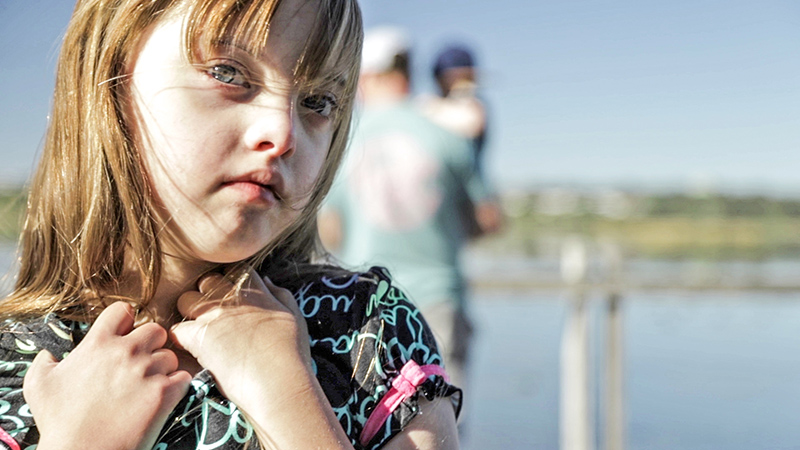
Eight-year-old Mikayla is the miracle child her parents never thought they would have. They’d tried for seven years to have a baby, and when Mikayla was finally born they couldn’t contain their excitement or pride. The fact she had Down syndrome was secondary.