
Search
Acquisition and development of the oral microbiome are dynamic processes that occur over early life. This study aimed to characterize the temporal development of the oral microbiome of predominantly breastfed infants during the first two years of life.
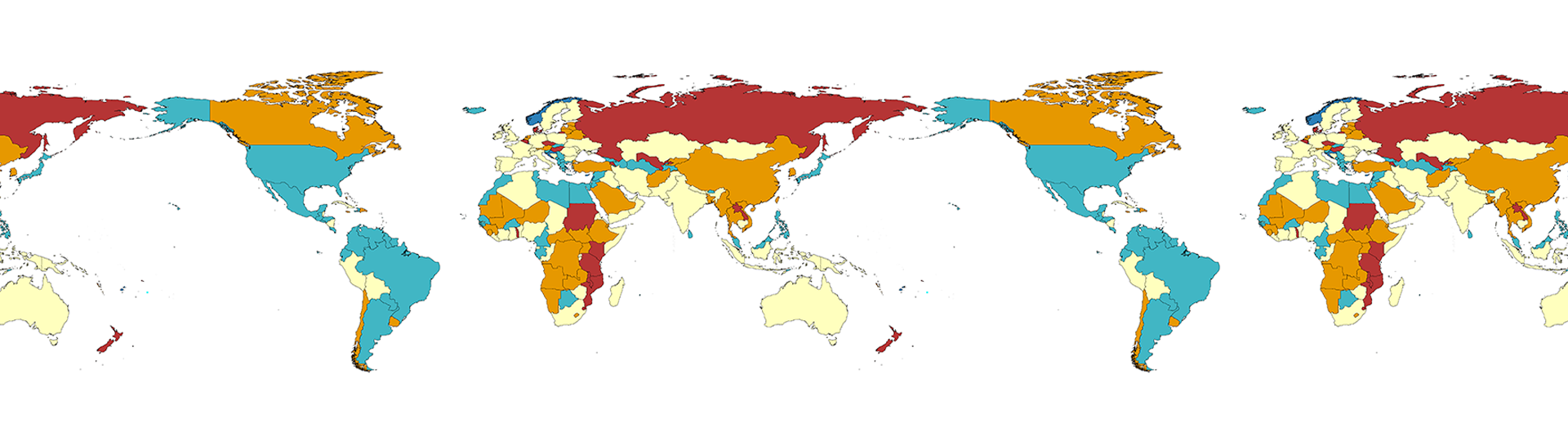
The Geospatial and Tuberculosis (GeoTB) team led by Kefyalew Alene focuses on designing an innovative approach for improving the efficiency and effectiveness of public health interventions to help control and ultimately eliminate tuberculosis in high-burden countries.
We help shape how the world responds to infectious diseases: guiding vaccine and treatment development, and advising on public health measures to control and eliminate disease. Our mathematical models capture how diseases spread, how severe infections are, and how childhood exposure shapes health across a lifetime.
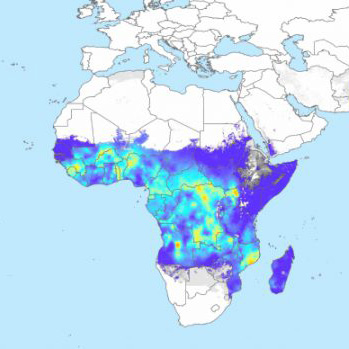
The Infectious Disease Ecology and Modelling team led by Professor Nick Golding, combines mathematical and statistical modelling, ecology, and public health to address malaria and other infectious and vector-borne diseases. The team uses modelling and maps to measure the risk posed by some of the world’s most important and neglected diseases – including malaria, Japanese Encephalitis and COVID-19 – and provide rapid modelling analyses to policy makers.
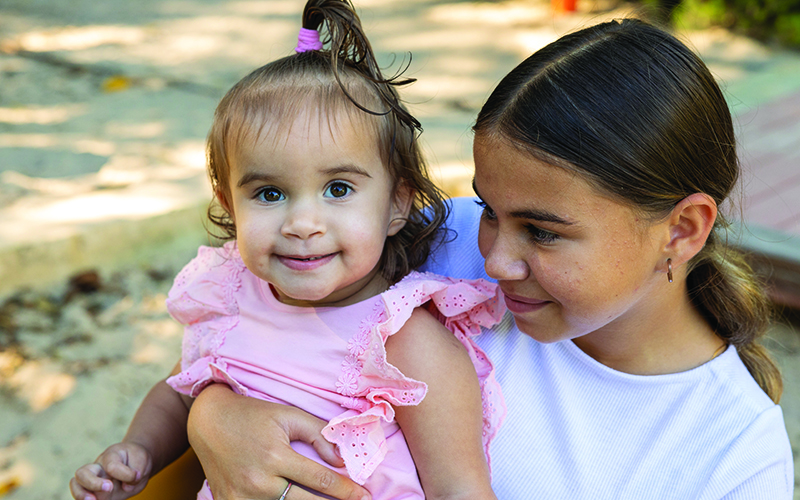
The Penicillin Team are working to accelerate research and clinical trials to improve penicillin formulation and treatment methods, to end RHD.
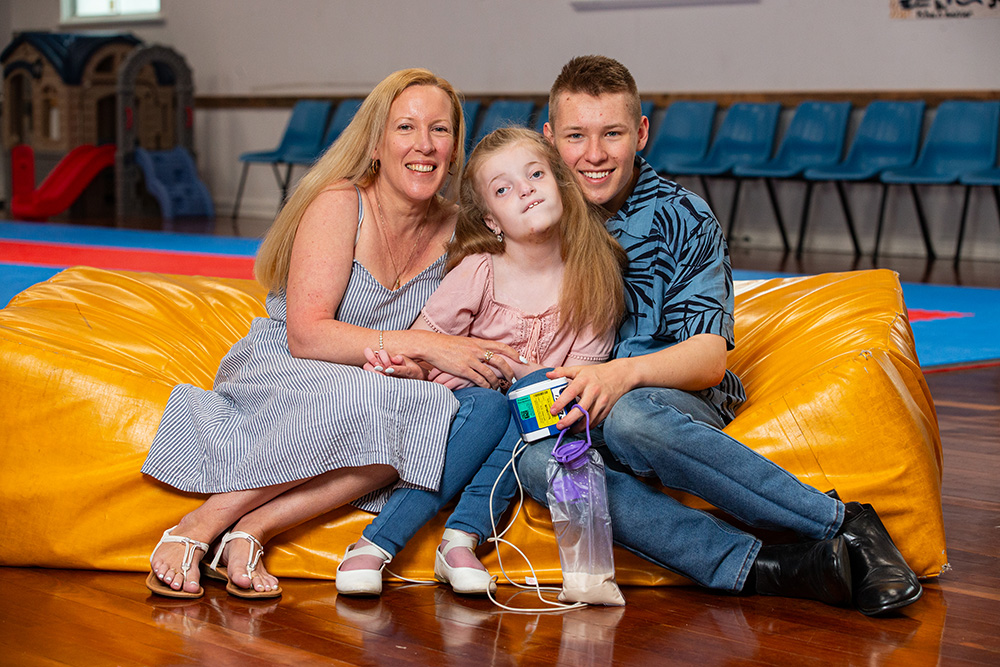
Uses personalised approaches to healthcare, aiming to tailor prevention and treatment strategies based on genetic, environmental, and lifestyle factors. This theme strives to make healthcare more targeted and effective for each child's unique needs.

Mitochondrial diseases are devastating disorders for which there are no cures or effective treatments. Our project will focus on the prevention of mitochondrial diseases and discovery of effective cures.
We have started a project utilising whole genome sequencing of undiagnosed children living in WA to provide a definitive diagnosis. A major challenge here is that the role and functions of the inter-genic regions of our genome (the remaining 98%) are relatively poorly understood.
We are made up of hundreds of different cell types carrying out a diverse range of functions essential for organism survival. All the information required to specify the morphology, function and response to stimuli of these cells is encoded in identical copies of the genome. The process of gene regu
Current technologies to understand which genes are turned on or off only work on large amounts of biological samples. As a consequence all measurements we receive represent averages across multiple cell types present in the sample. The situation is comparable to studying the contents of a bowl of fr