
Search
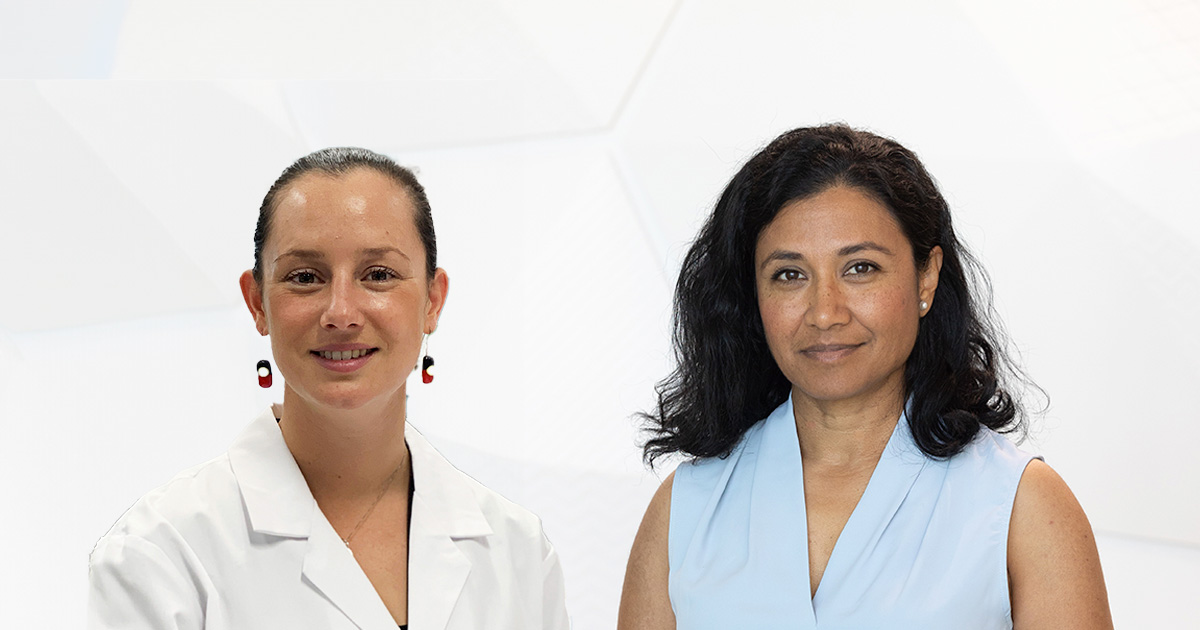
The generous support of Western Australians through Channel 7’s Telethon is helping to fund life-changing child health research, with two The Kids Research Institute Australia researchers awarded significant grants.
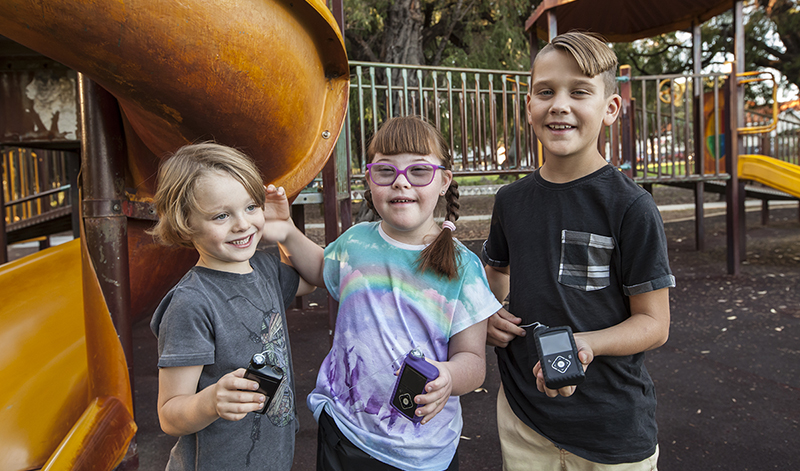
Professor Liz Davis reveals five things you might not know about type 1 diabetes.

Clinical psychologist from the Children's Diabetes Centre Dr Keely Bebbington has some top tips on how to support a friend who has type 1 diabetes.

"This system definitely helped with my diabetes management, especially overnight, and helped to keep my blood sugars as stable as possible which was fantastic,"
The study involved screening young people to learn more about the development of long-term kidney, eye and cardiovascular complications in adolescents with T1D.
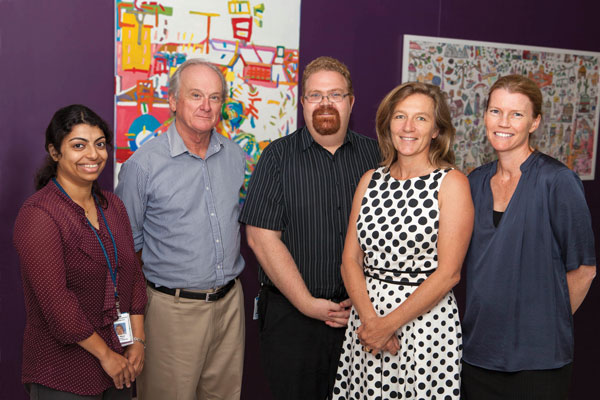
Researchers led by the team at the Children’s Diabetes Centre at The Kids have taken a key step to a fully automated closed-loop insulin delivery system.
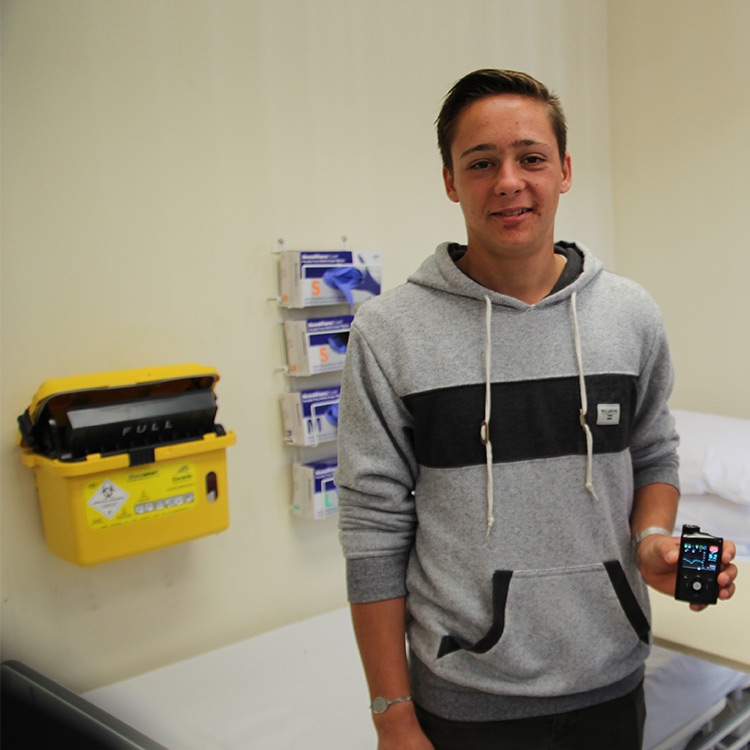
The Children’s Diabetes Centre at The Kids Research Institute Australia is leading the longest and largest at-home trial of a hybrid closed-loop insulin pump system.
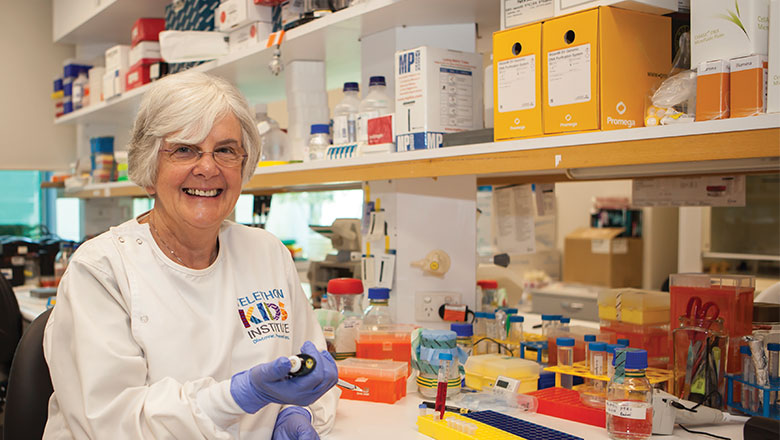
Winning the support of a remote Aboriginal community paved the way for a pioneering genetics study.
The Kids Research Institute Australia have shown that genetic variations that influence BMI and diabetes are similar to those in non-Aboriginal populations.
New research from Perth's The Kids Research Institute Australia has shown the local relevance of a worldwide pattern of increased risk of childhood type 1 diabetes.