
Skip to content

Search

Project websites

These project websites display extended detailed information about specific research areas.

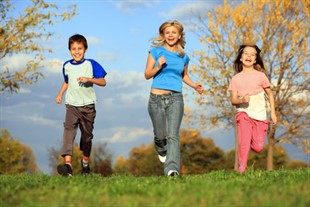
Causal Impact of Physical Activity on Child Health and Development

The relationship between physical activity and child health and development is well-documented, yet the extant literature provides limited causal insight into the amount of physical activity considered optimal for improving any given health or developmental outcome.

Penicillin G concentrations required for prophylaxis against Group A Streptococcus infection evaluated using a hollow fibre model and mathematical modelling

Acute rheumatic fever (ARF), an autoimmune reaction to Group A Streptococcus (Streptococcus pyogenes; Strep A) infection, can cause rheumatic heart disease (RHD). New formulations of long-acting penicillins are being developed for secondary prophylaxis of ARF and RHD.

CDKL5 deficiency disorder: clinical features, diagnosis, and management

CDKL5 deficiency disorder (CDD) was first identified as a cause of human disease in 2004. Although initially considered a variant of Rett syndrome, CDD is now recognised as an independent disorder and classified as a developmental epileptic encephalopathy.

A mobile health intervention to encourage physical activity in children: a randomised controlled trial

Despite immense benefits of physical activity on health and developmental outcomes, few children achieve recommended daily levels of physical activity. Given more than half of families with children own a dog, we investigated the effect of a mobile health (mHealth) intervention to encourage dog-facilitated physical activity through increased family dog walking and children's active play with their dog.

Parents' Perceptions of the Neighbourhood Built Environment Are Associated with the Social and Emotional Development of Young Children

The influence of the neighbourhood built environment on young children's physical development has been well-documented; however, there is limited empirical evidence of an association with social and emotional development. Parental perceptions of the neighbourhood built environment may act as facilitators or barriers to young children's play and interactions in their local environment. The aim of this study was to examine the associations between parents' perceptions of the neighbourhood built environment and the social-emotional development of children aged two-to-five years.

Planetary Health: We Need to Talk about Narcissism

Concepts of planetary health attempt to collectively address the biological, psychological, social, and cultural factors contributing to “Anthropocene Syndrome”, which encompasses the many wicked interrelated challenges of our time. It is increasingly evident that the wide array of causative factors is underpinned by attitudes, values, and worldviews.

Global, regional, and national disease burden estimates of acute lower respiratory infections due to respiratory syncytial virus in children younger than 5 years in 2019: a systematic analysis

Respiratory syncytial virus (RSV) is the most common cause of acute lower respiratory infection in young children. We previously estimated that in 2015, 33·1 million episodes of RSV-associated acute lower respiratory infection occurred in children aged 0-60 months, resulting in a total of 118 200 deaths worldwide.

Severity of Rotavirus-Vaccine-Associated Intussusception: Prospective Hospital-Based Surveillance, Australia, 2007-2018

Multiple studies have shown an association between intussusception (IS) and receipt of monovalent or pentavalent rotavirus vaccine (RV) in the previous 21 days. Disease severity is an important consideration for risk-benefit evaluations of RV, but no studies have compared the severity of IS within 21 days of vaccination (vaccine-associated, VA) and later (not temporally-associated, VNA).

Implications of providing wrist-hand orthoses for children with cerebral palsy: evidence from a randomised controlled trial

To investigate the effects of providing rigid wrist-hand orthoses plus usual multidisciplinary care, on reducing hand impairments in children with cerebral palsy.