
Search
To examine the psychometric properties of the Diabetes Management Experiences Questionnaire (DME-Q). Adapted from the validated Glucose Monitoring Experiences Questionnaire, the DME-Q captures satisfaction with diabetes management irrespective of treatment modalities.
Molecular profiling of the tumour immune microenvironment (TIME) has enabled the rational choice of immunotherapies in some adult cancers. In contrast, the TIME of paediatric cancers is relatively unexplored. We speculated that a more refined appreciation of the TIME in childhood cancers, rather than a reliance on commonly used biomarkers such as tumour mutation burden (TMB), neoantigen load and PD-L1 expression, is an essential prerequisite for improved immunotherapies in childhood solid cancers.
Glioblastoma, a rare, and highly lethal form of brain cancer, poses significant challenges in terms of therapeutic resistance, and poor survival rates for both adult and paediatric patients alike. Despite advancements in brain cancer research driven by a technological revolution, translating our understanding of glioblastoma pathogenesis into improved clinical outcomes remains a critical unmet need.
Chemotherapy is included in treatment regimens for many solid cancers, but when administered as a single agent it is rarely curative. The addition of immune checkpoint therapy to standard chemotherapy regimens has improved response rates and increased survival in some cancers. However, most patients do not respond to treatment and immune checkpoint therapy can cause severe side effects. Therefore, there is a need for alternative immunomodulatory drugs that enhance chemotherapy.
This study investigates the interaction between caregiver burden, mutuality, and family resilience in colorectal cancer management, and determines whether mutuality affects the effect of caregiver burden on family resilience.
ZFTA-RELA (formerly known as c11orf-RELA) fused supratentorial ependymoma has been recognized as a novel entity in the 2016 WHO classification of CNS tumors and further defined in the recent 2021 edition.
Clinical management of breast cancer (BC) metastasis remains an unmet need as it accounts for 90% of BC-associated mortality. Although the luminal subtype, which represents >70% of BC cases, is generally associated with a favorable outcome, it is susceptible to metastatic relapse as late as 15 years after treatment discontinuation.
Burn injury in children causes prolonged systemic effects on physiology and metabolism leading to increased morbidity and mortality, yet much remains undefined regarding the metabolic trajectory towards specific health outcomes.
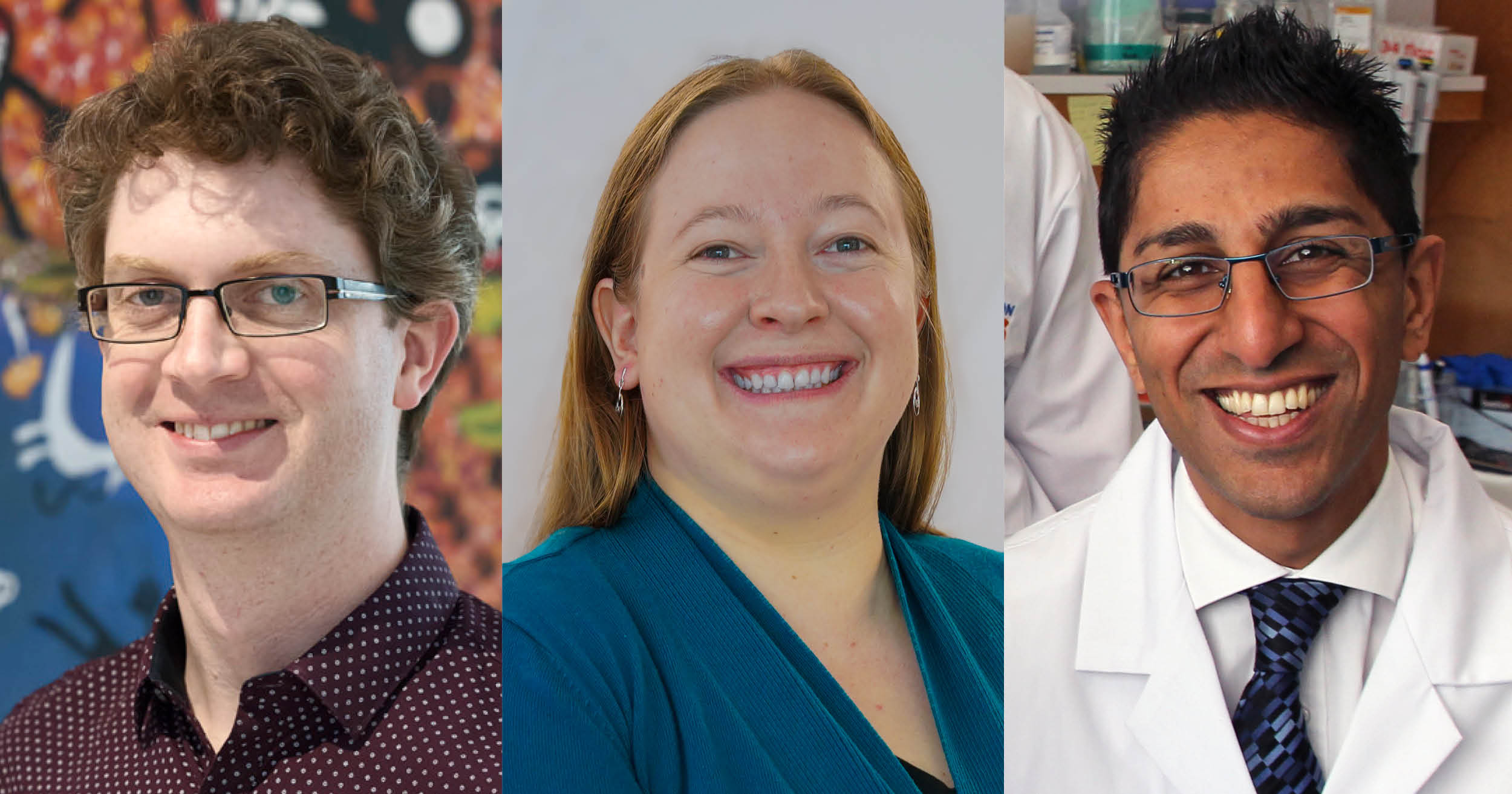
Congratulations to three outstanding The Kids Research Institute Australia researchers who have received second chance WA health funding designed to support researchers who have narrowly missed out on highly competitive national funding.

Four The Kids Research Institute Australia researchers have received prestigious fellowships and four significant cohort studies led or co-led by The Kids have received key grants under two new funding programs supported by the State Government’s Future Health Research and Innovation (FHRI) Fund.