
Search
Risk factors for non-communicable diseases (NCDs, cardiovascular diseases, cancers, chronic respiratory diseases, diabetes, and mental disorders) arise in adolescence but are mostly framed as relevant to health in adulthood; little is known about the relationship between co-occurring NCD risks and mental wellbeing in young people.
DNA-informed prescribing (termed pharmacogenomics, PGx) is the epitome of personalised medicine. Despite international guidelines existing, its implementation in paediatric oncology remains sparse.
Mesothelioma is a lethal cancer. Despite promising outcomes associated with immunotherapy, durable responses remain restricted to a minority of patients, highlighting the need for improved strategies that better predict outcome. Here, we described the development of a mesothelioma-specific gene signature that accurately predicts survival.
Surgery is an essential part of cancer treatment, particularly for localised solid tumours. Geriatric assessments (GA) with tailored interventions or comprehensive GA (CGA) can identify frailty factors and needs of older adults with cancer, assisting treatment decisions and care strategies to reduce postoperative complications. This systematic review summarises the effects of GA/CGA compared to usual care for older adults with cancer intended for surgery: their impact on treatment decisions, supportive care interventions, postoperative complications, survival, and health-related quality of life.
Lung squamous cell carcinoma (LUSC) is a significant health concern, characterized by a lack of specific therapies and limited treatment options for patients in advanced stages. This study aims to identify key molecules of prognostic importance in LUSC and provide an experimental foundation for their potential therapeutic applications.
Citation: Sek K, Chen AXY, Cole T, Armitage JD, Tong J, ……… Waithman J, Parish IA, et al. Tumor site-directed A1R expression enhances CAR T cell
The investigation of ovarian development, dysfunction, and aging is essential for female reproductive health. Despite extensive research on the cellular functions of Brefeldin A (BFA) as an intracellular transport inhibitor, its specific effects and mechanisms on ovarian development/aging remain inadequately understood.
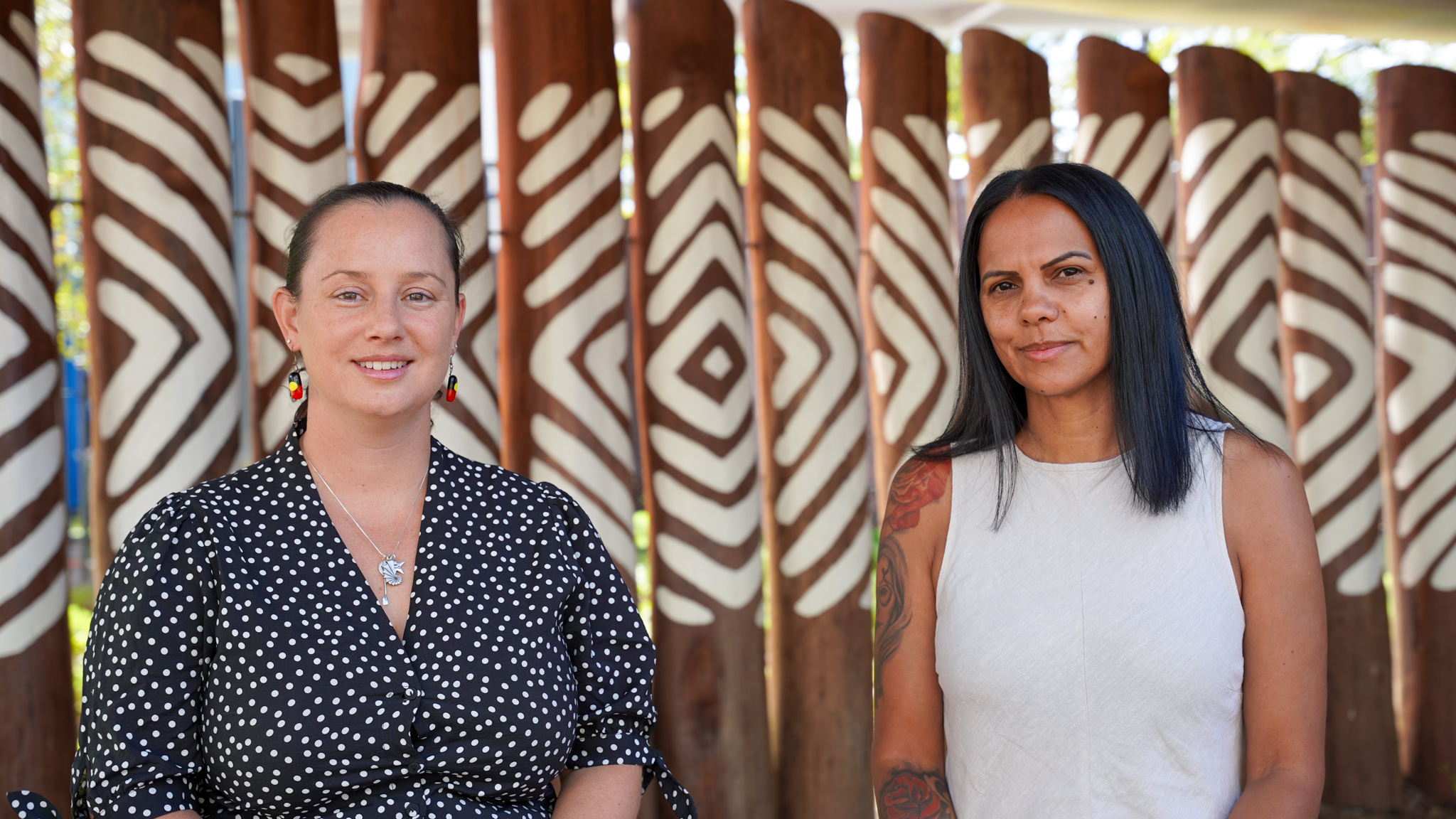
A first of its kind research program at The Kids Research Institute Australia aims to develop new strategies to better treat Aboriginal and Torres Strait Islander children with cancer.
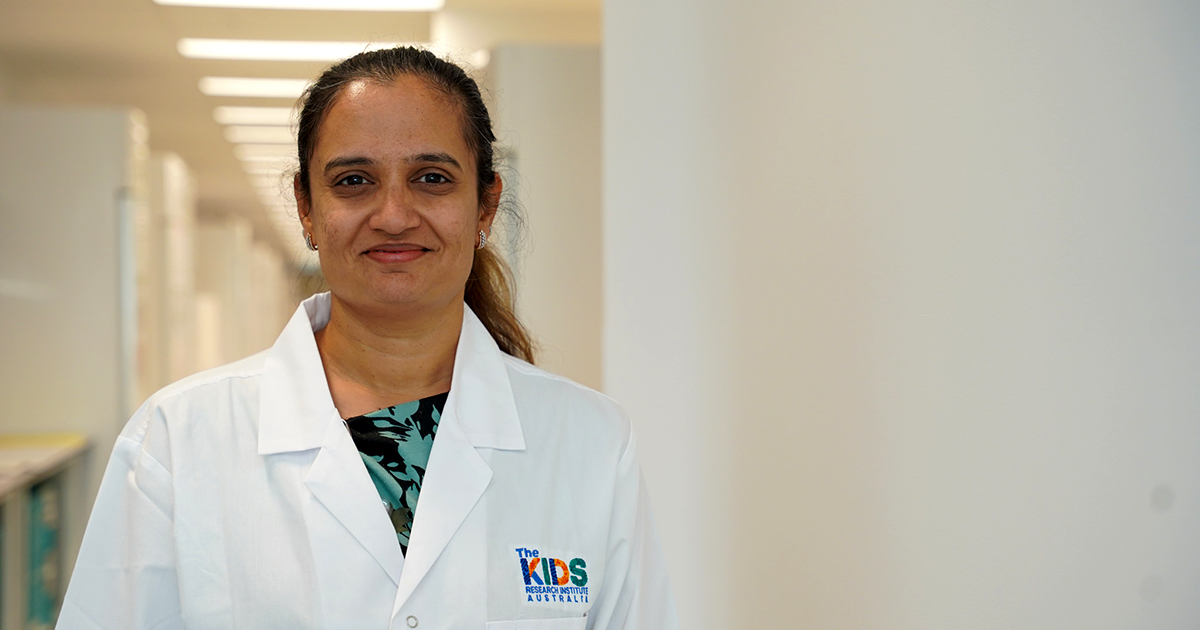
A landmark study led by Dr Hetal Dholaria, The Kids Research Institute Australia researcher and Perth Children’s Hospital Oncologist, has confirmed that a “wait and watch” approach for newborns diagnosed with neuroblastoma is not only safe, but effective over the long term.
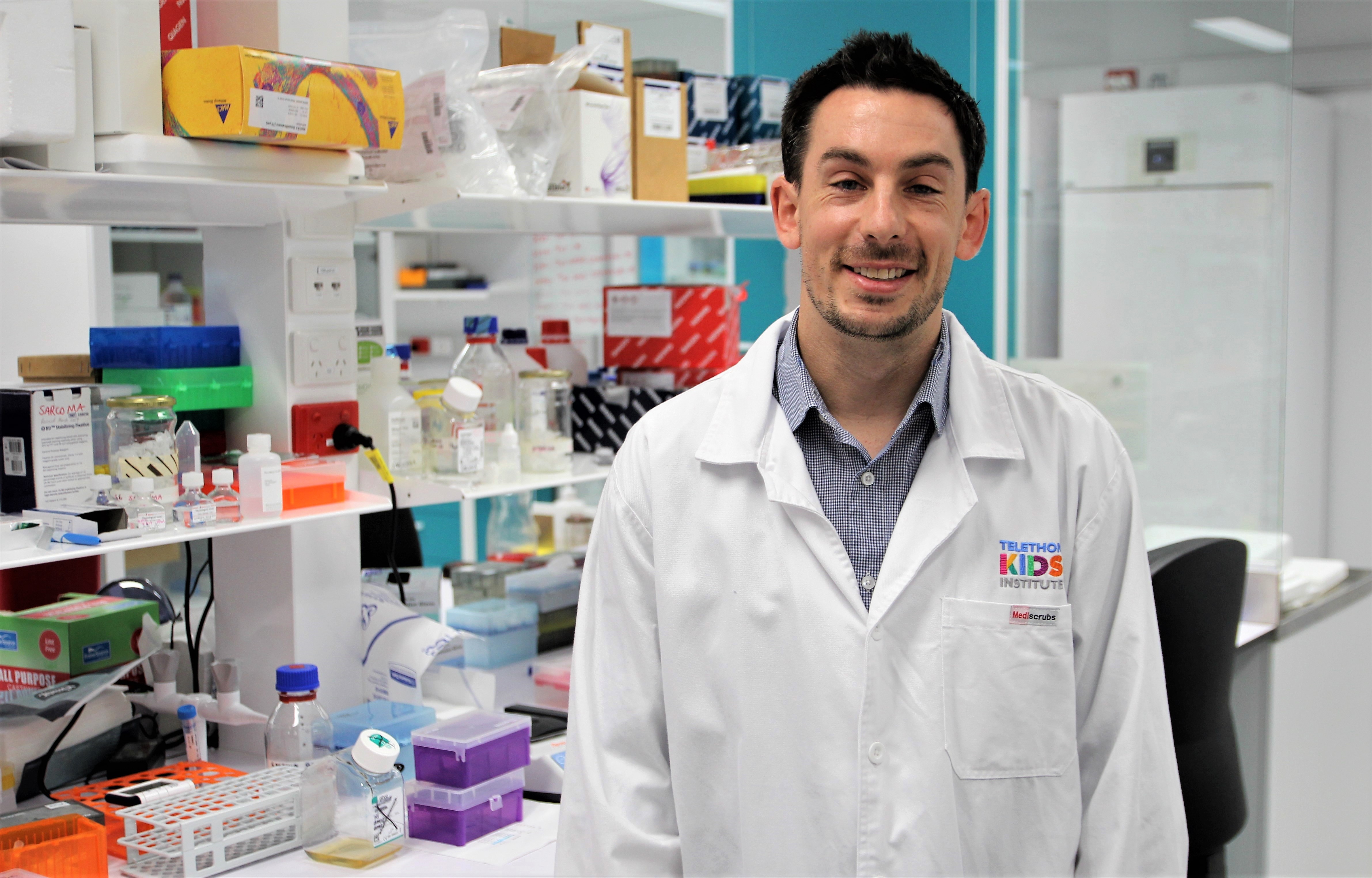
Cure Cancer and The Kids Research Institute Australia researcher Dr Ben Wylie announced new potential treatment in time for Childhood Sarcoma Awareness month.